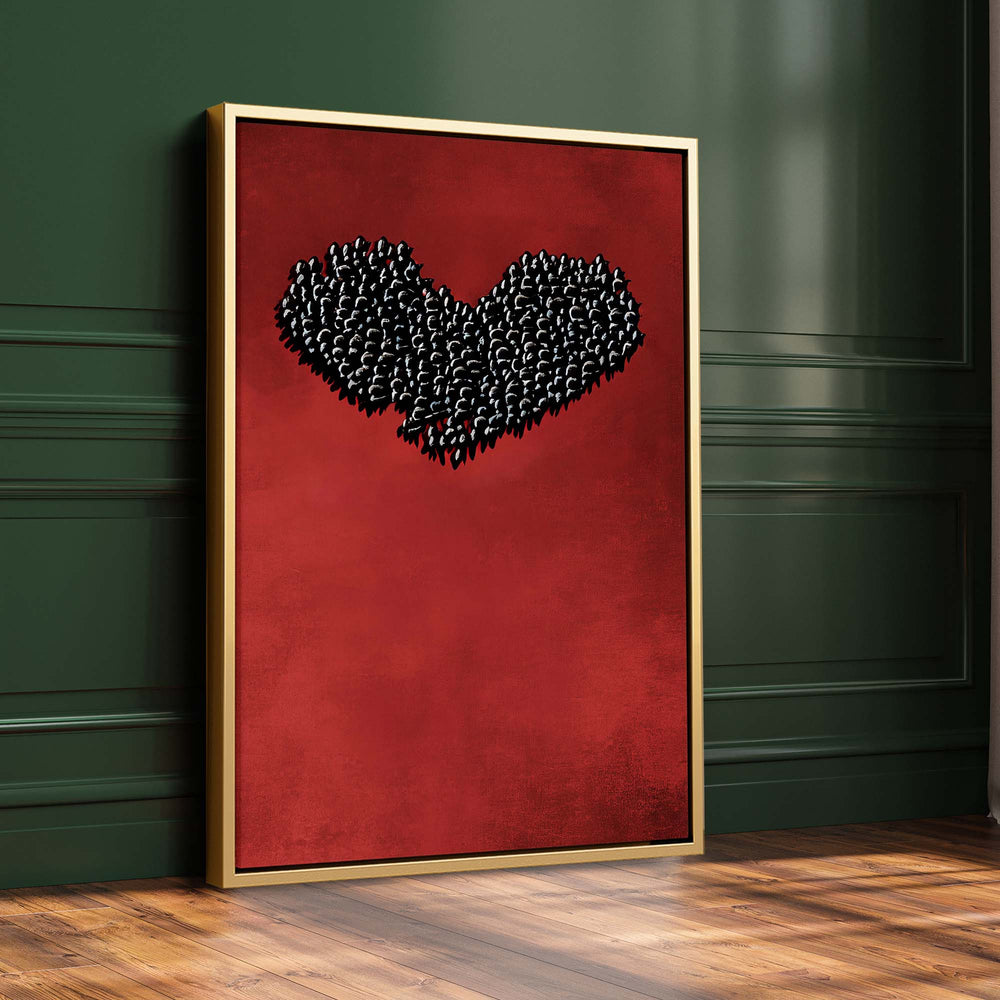
Minimalist Wall Art
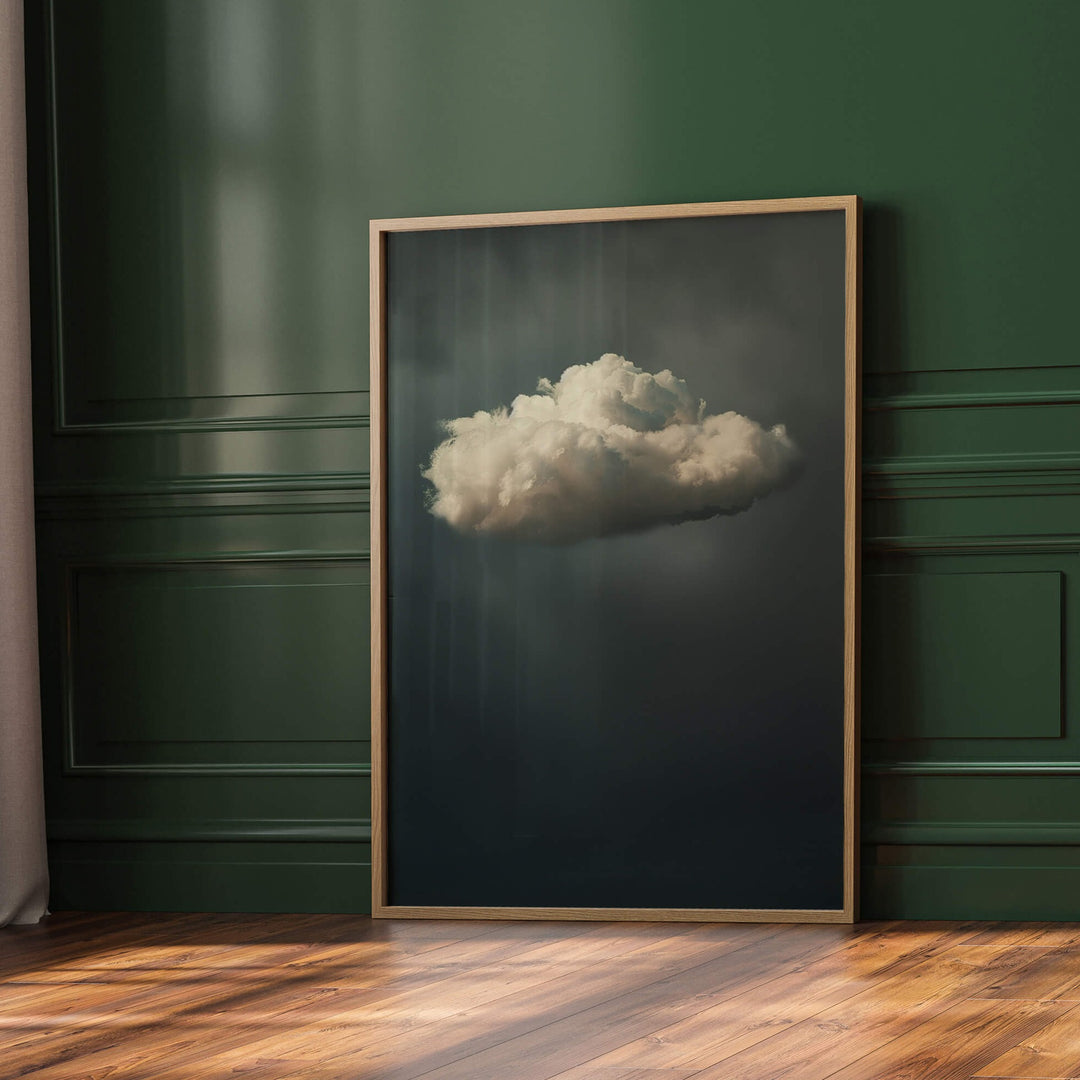
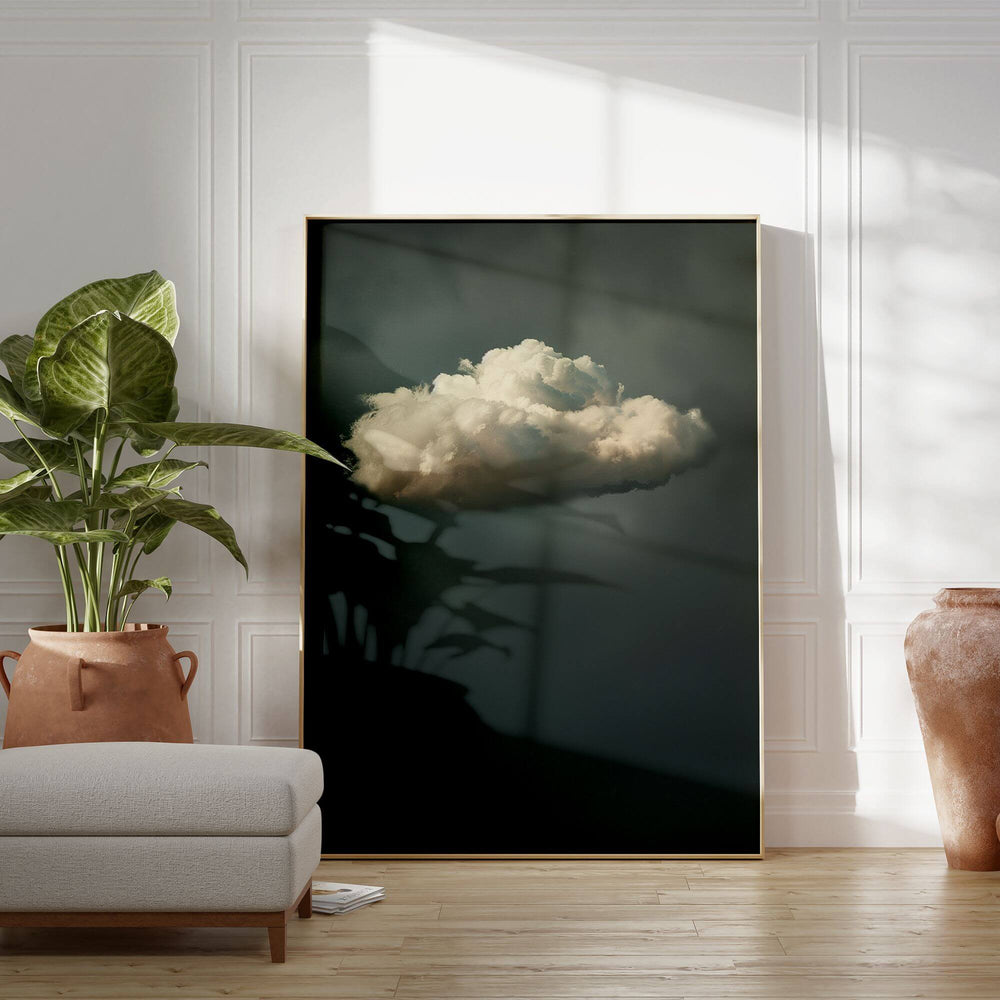
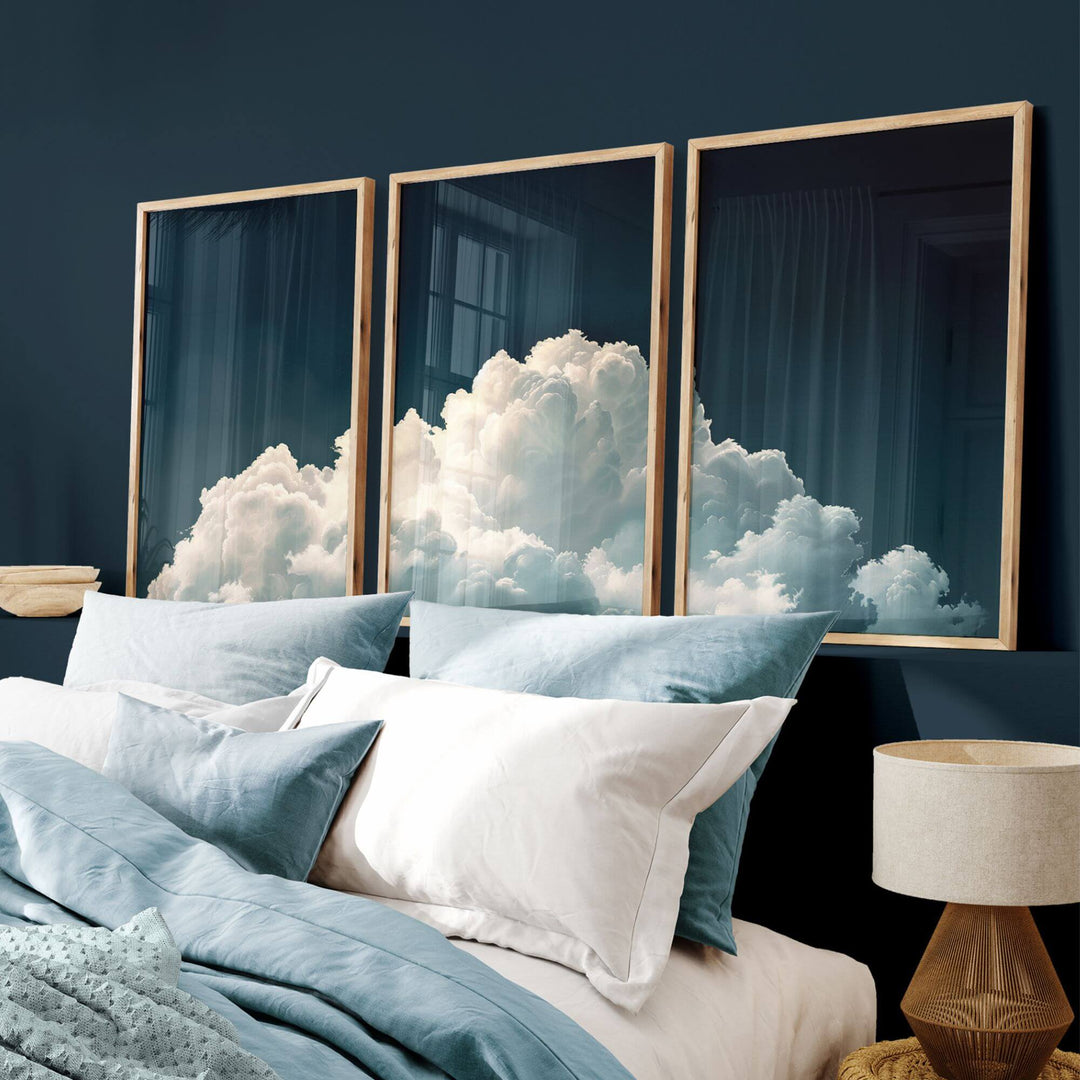
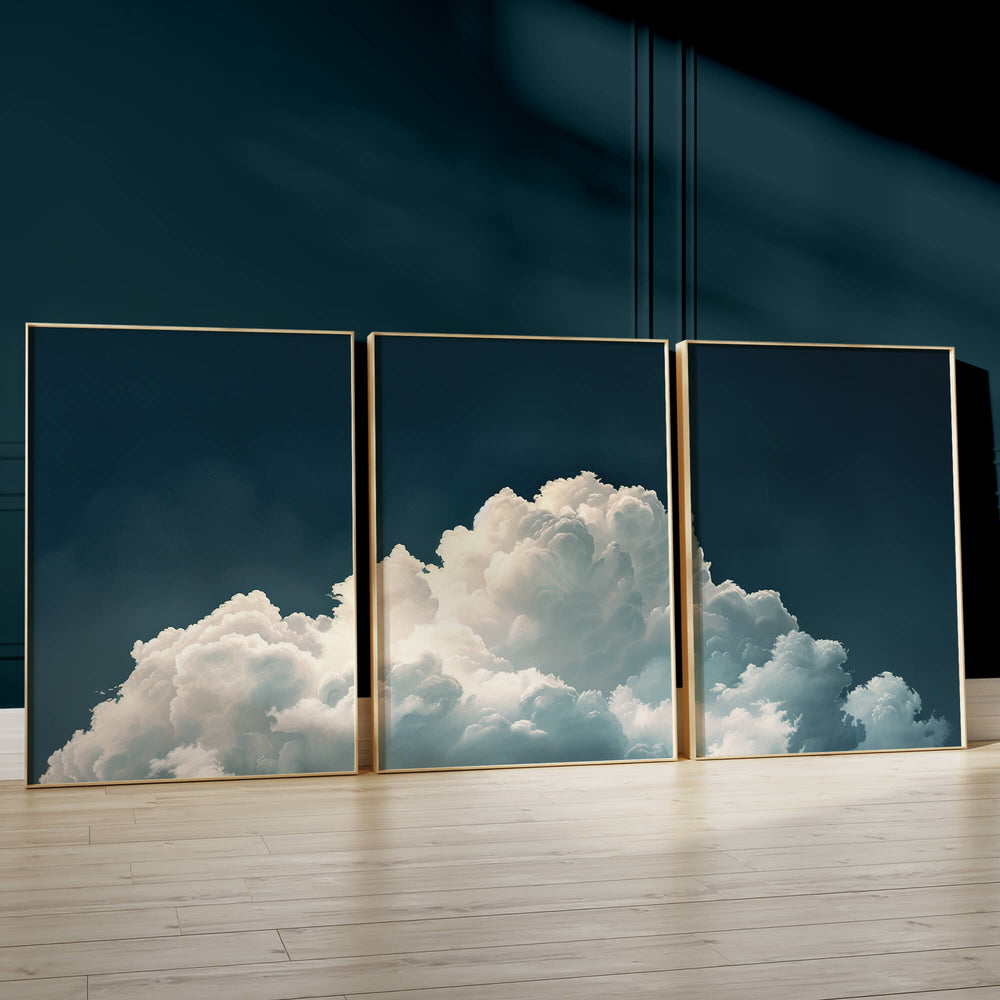
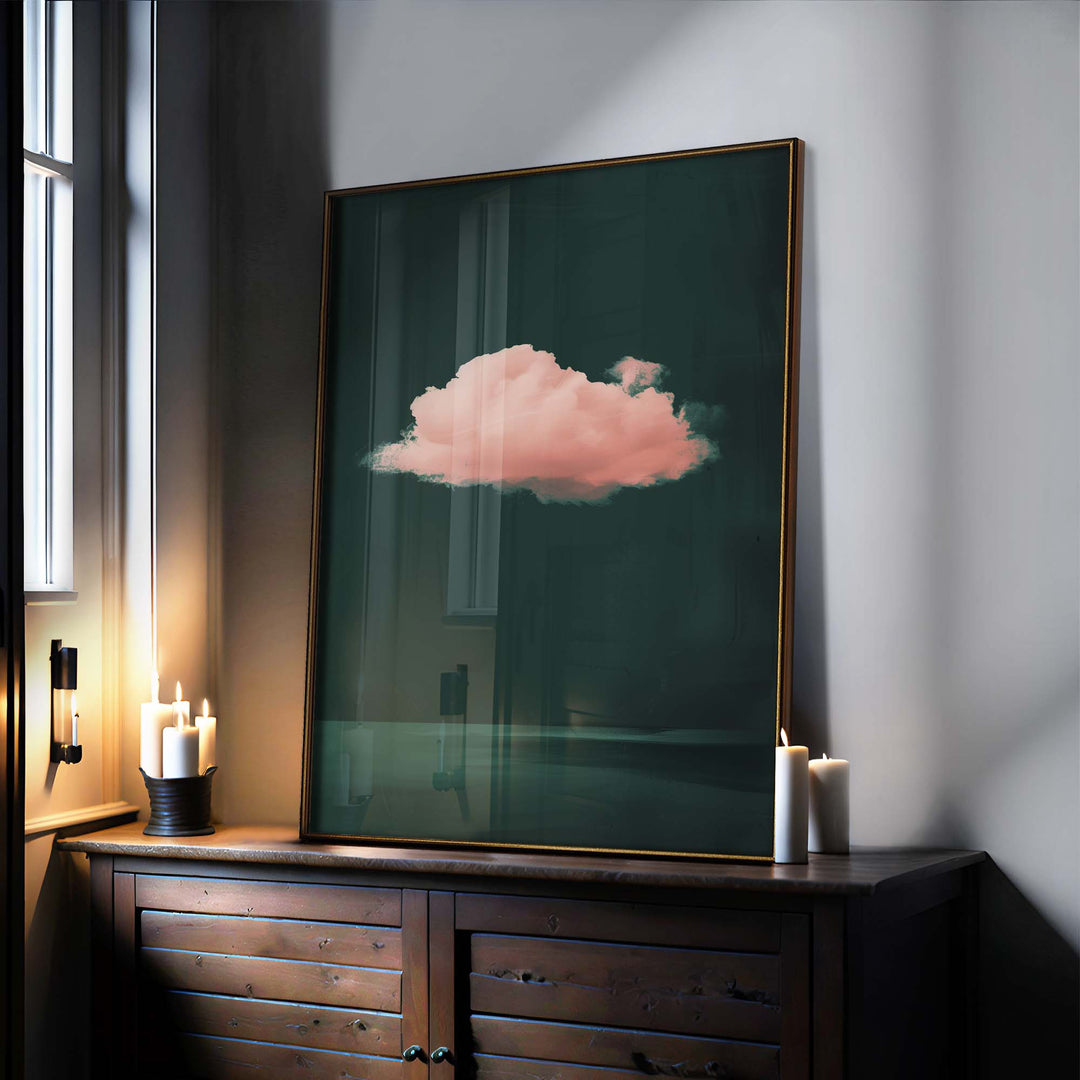
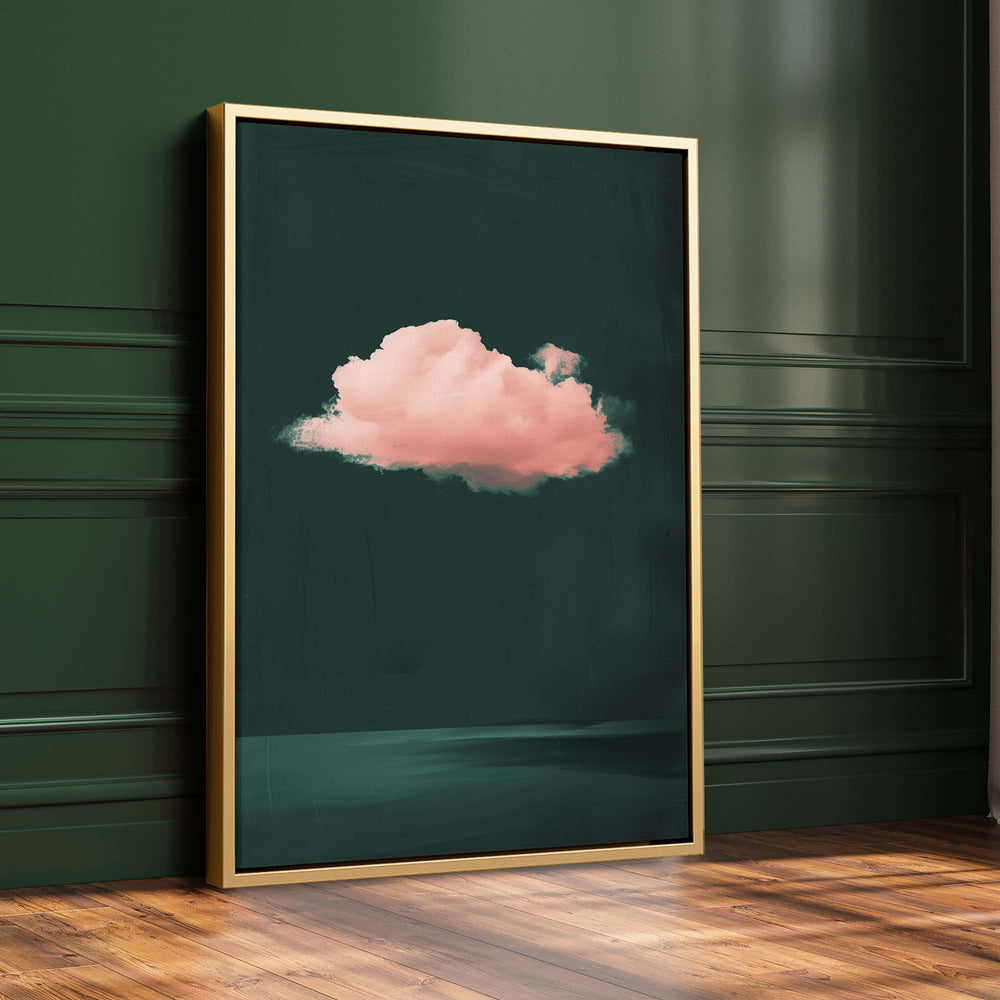
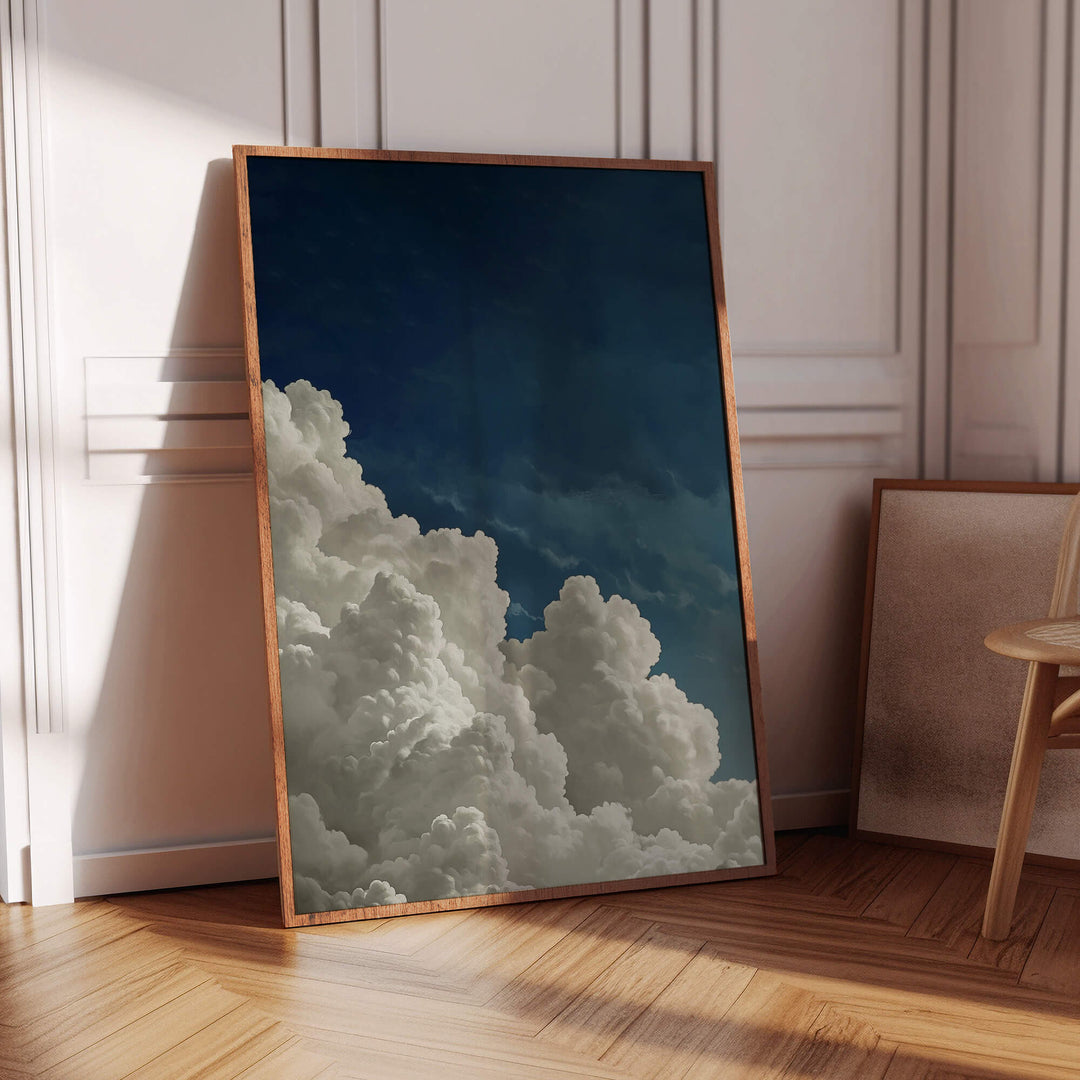
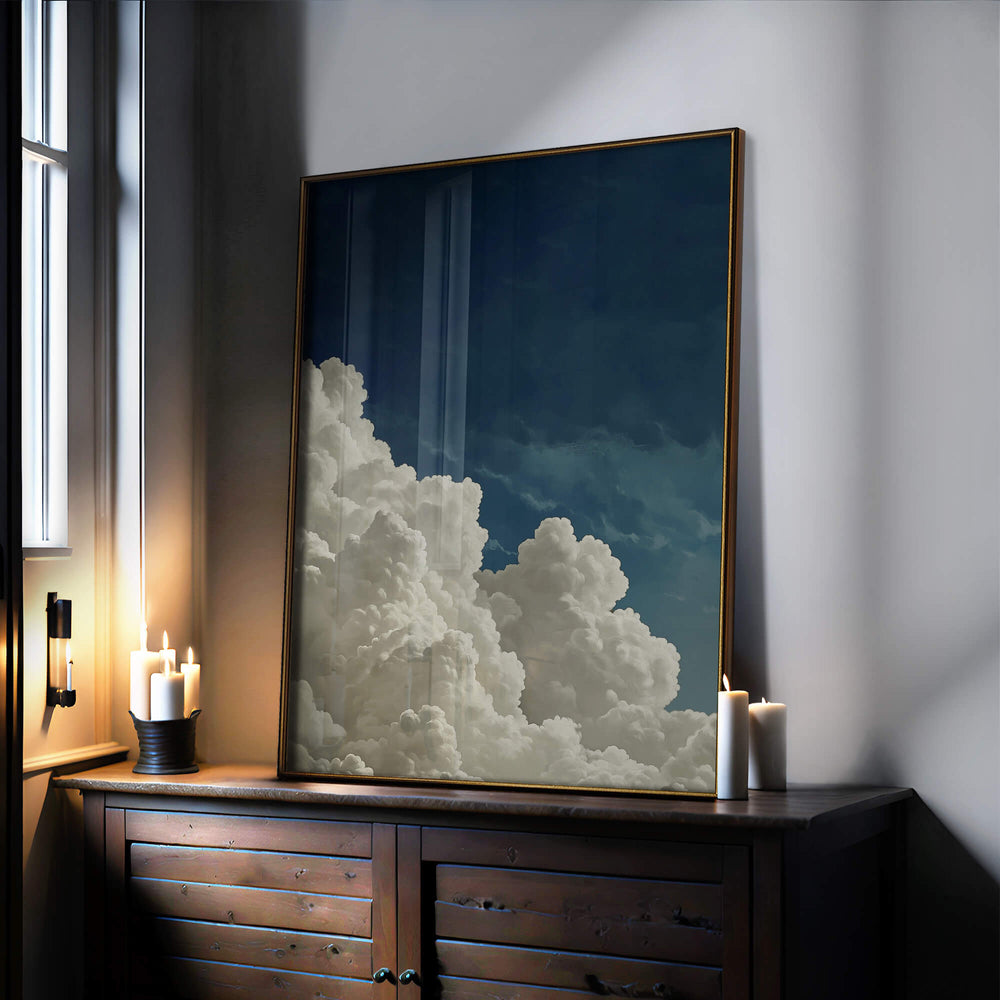
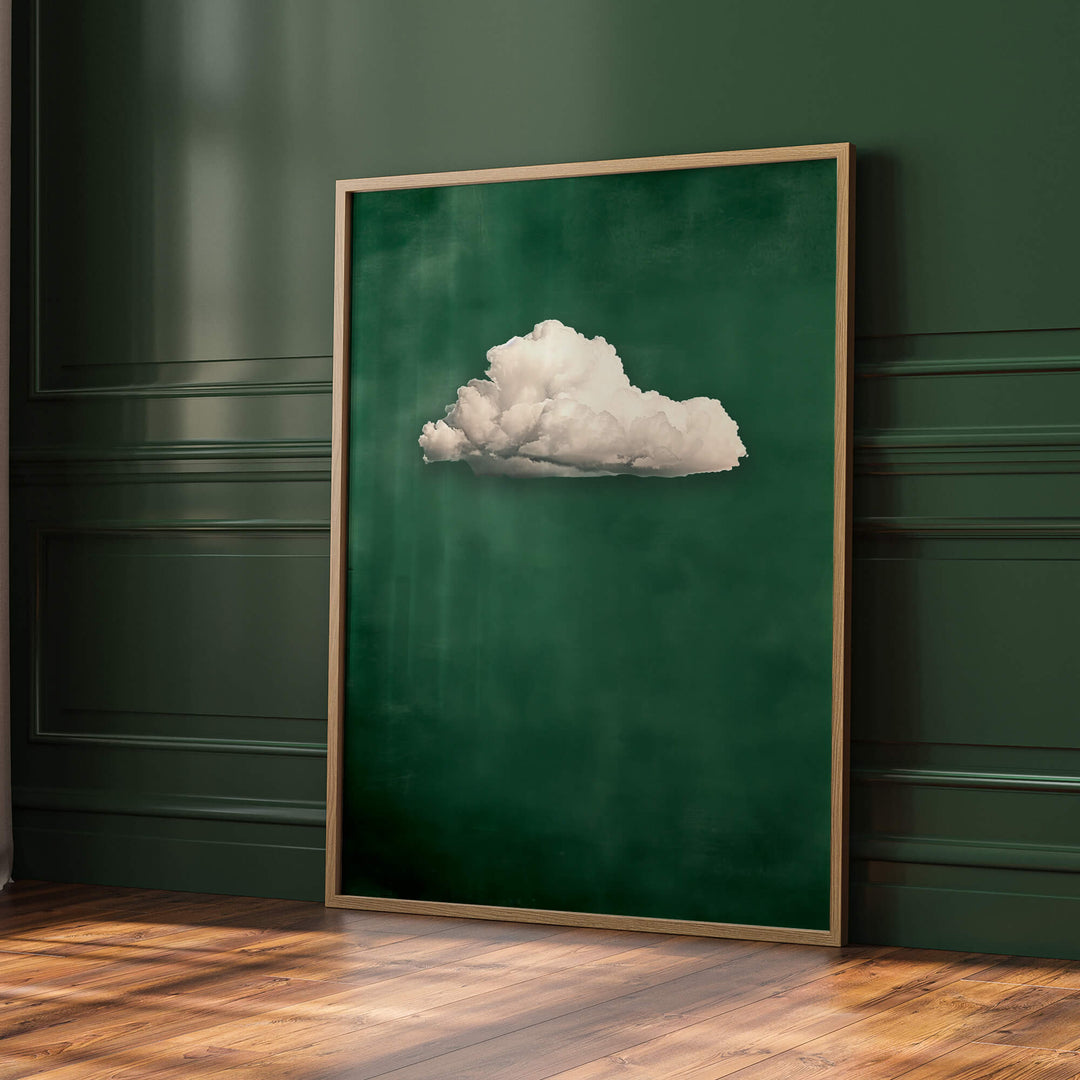
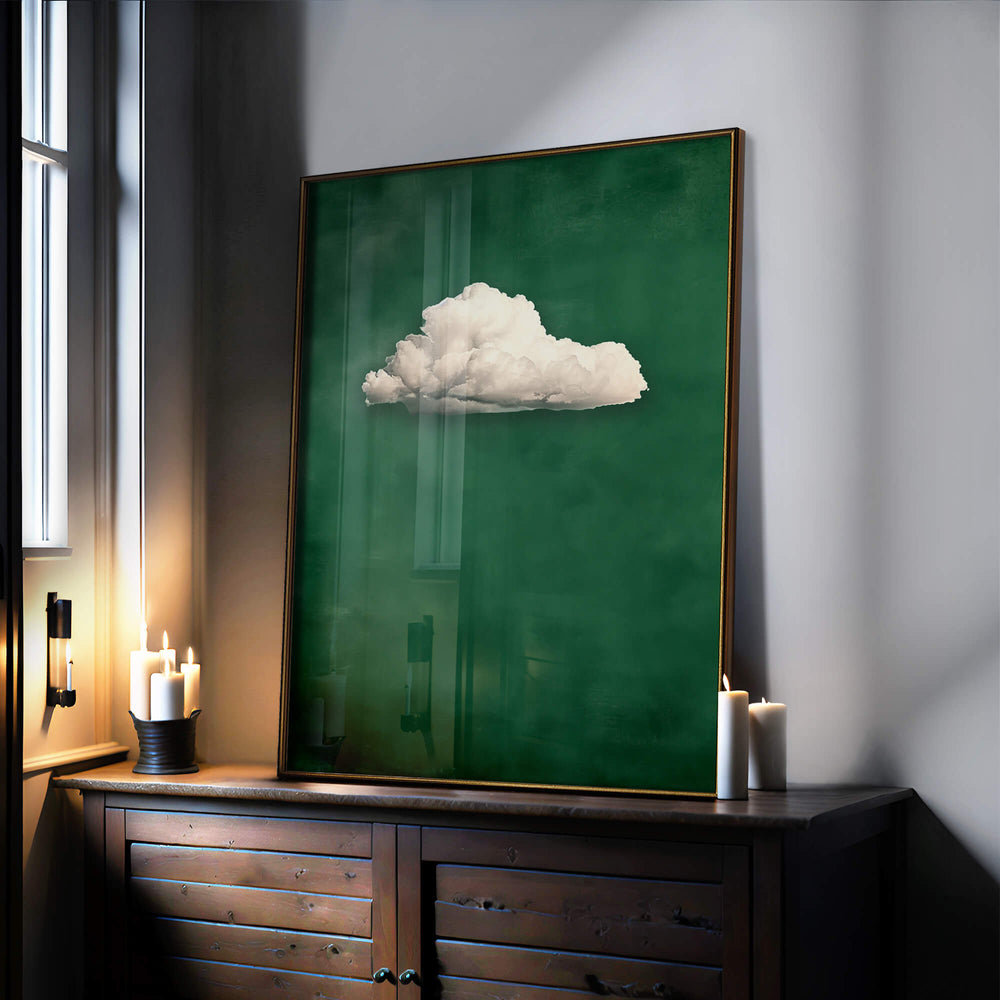
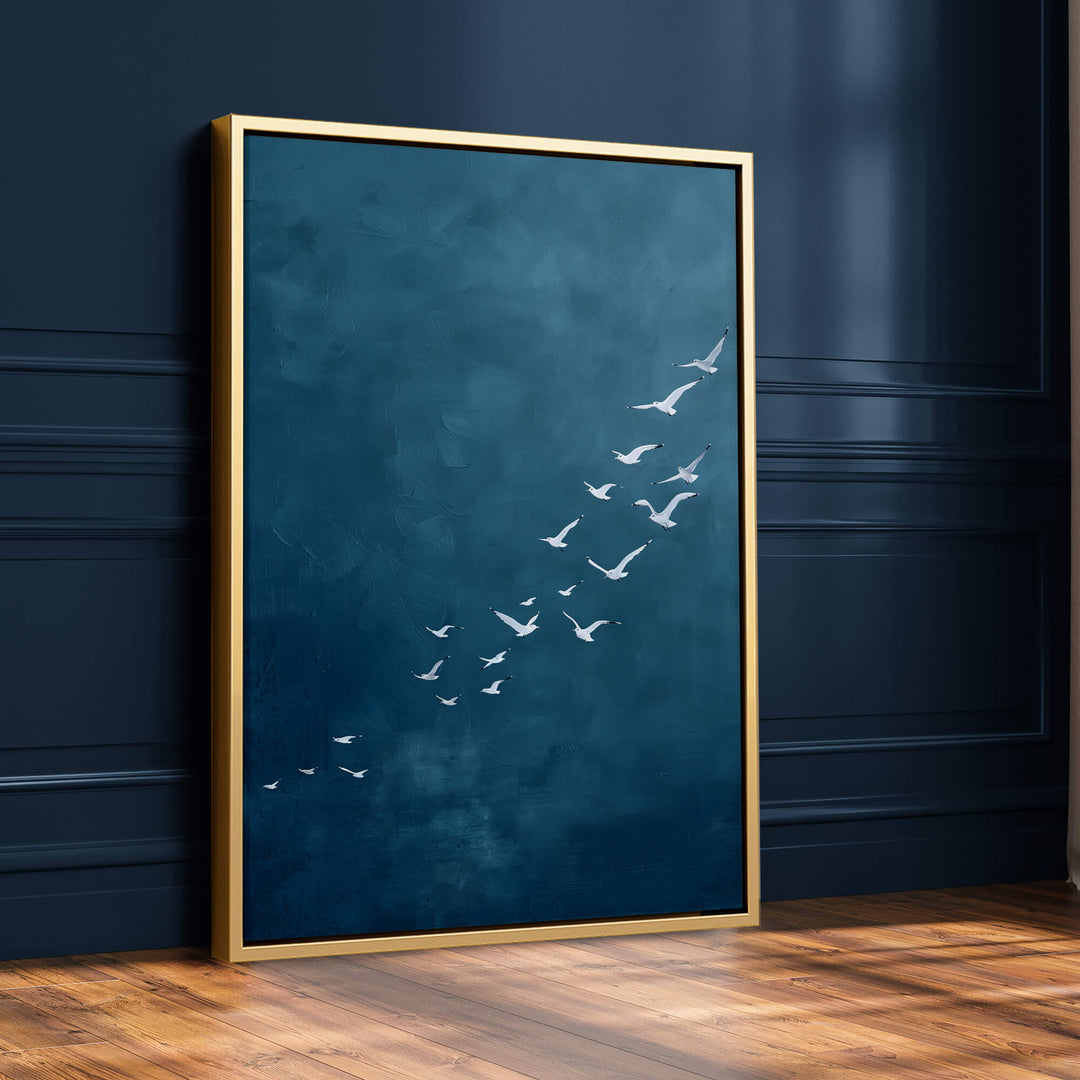
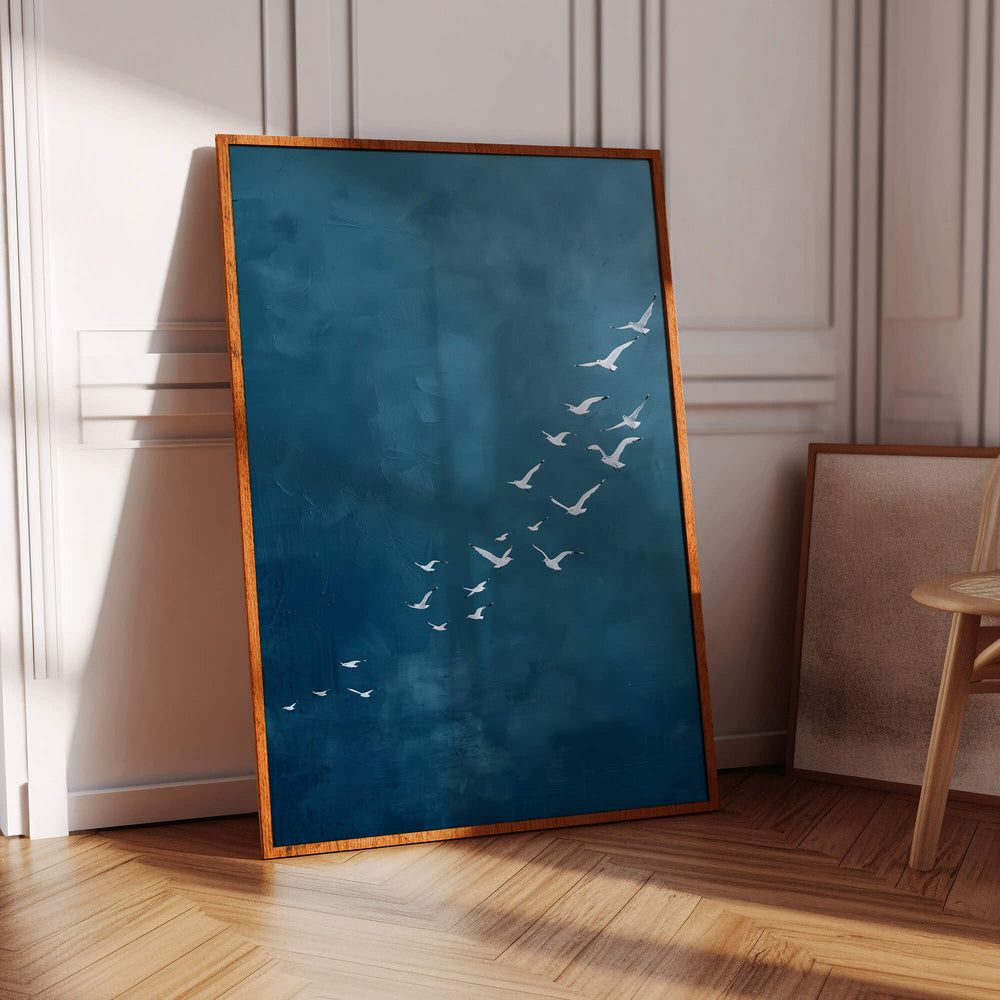
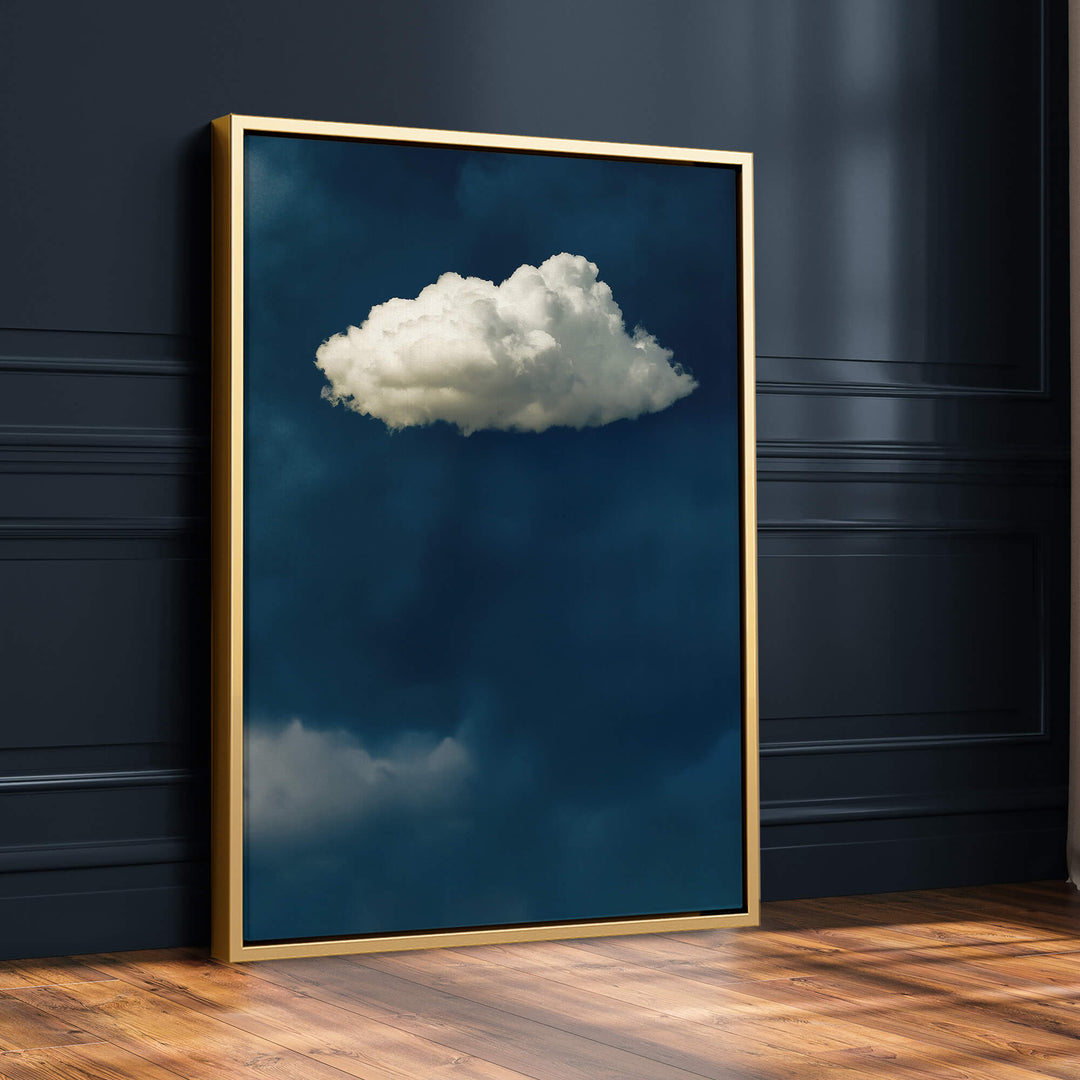
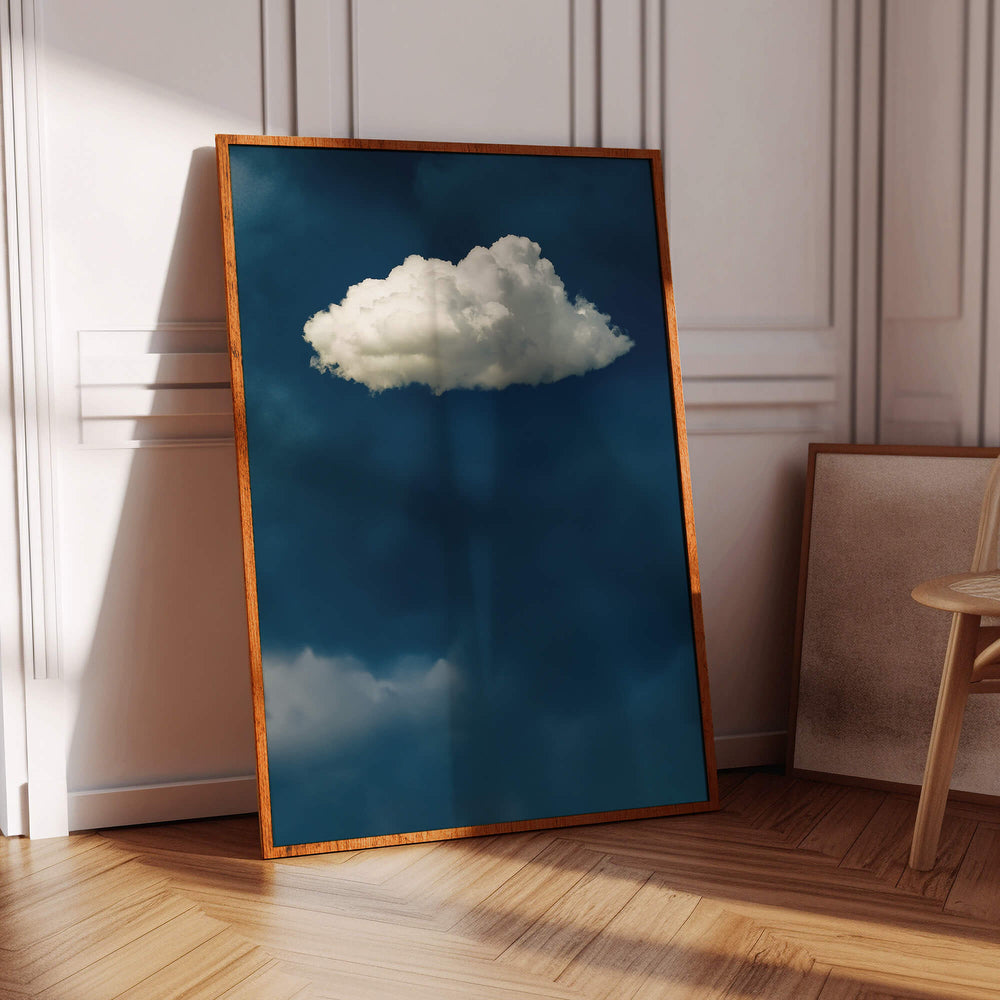
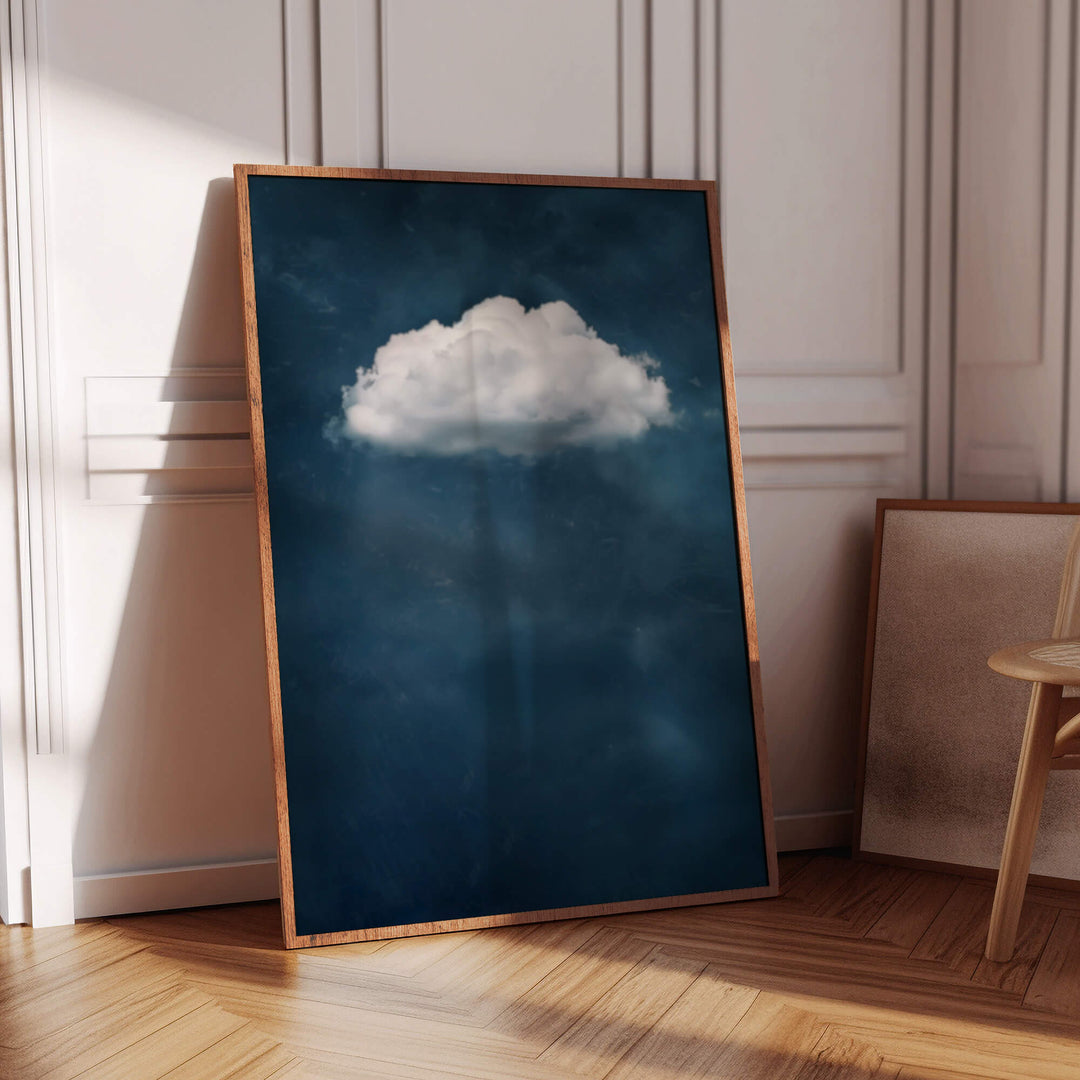
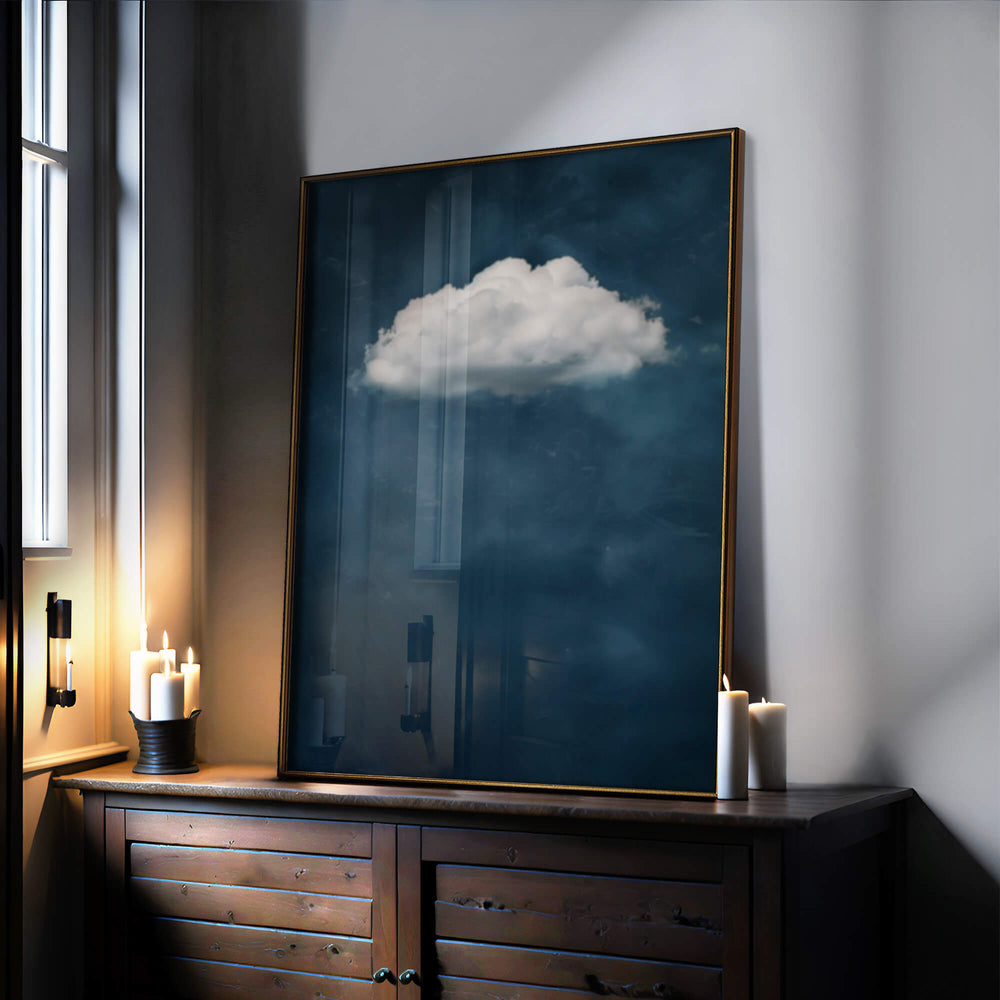
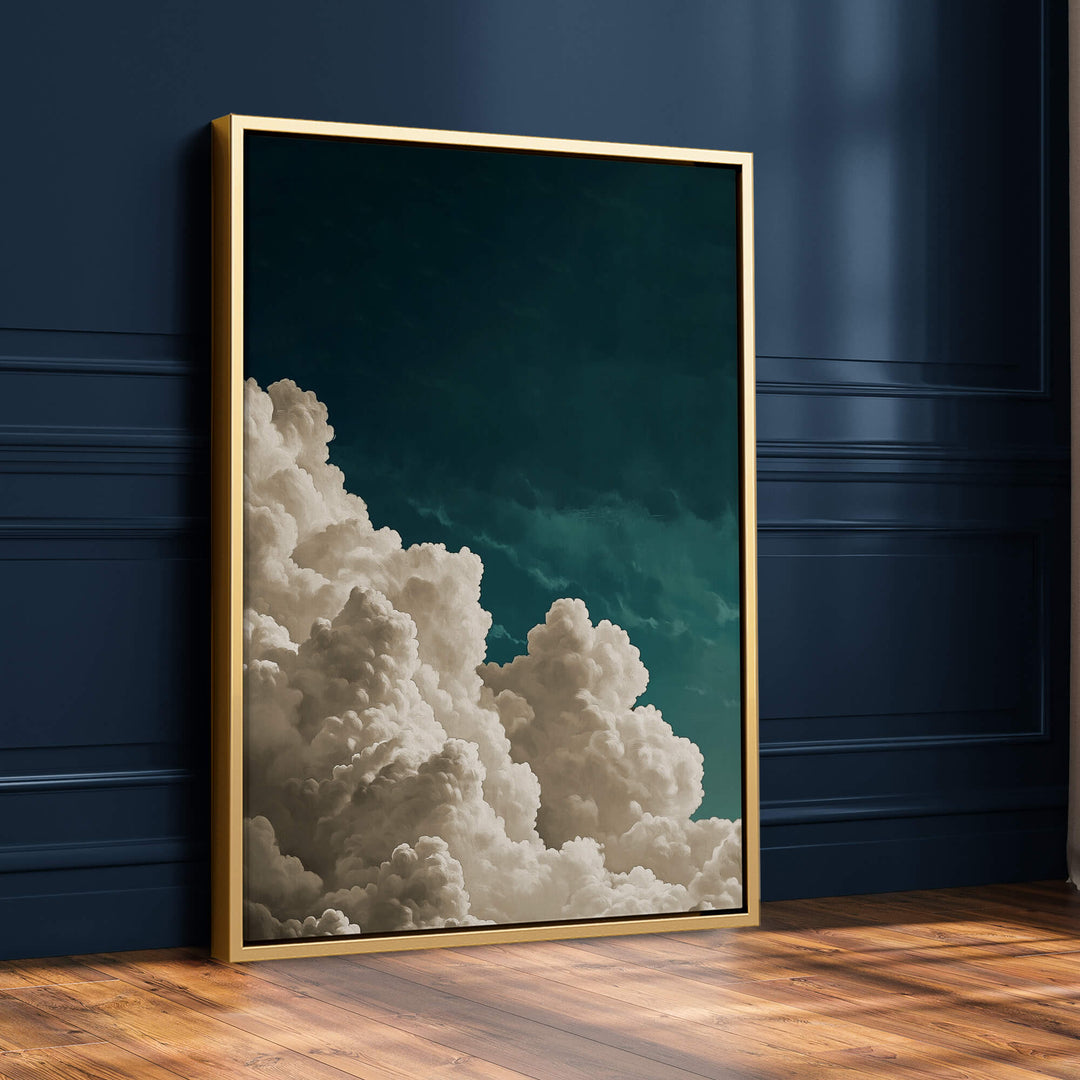
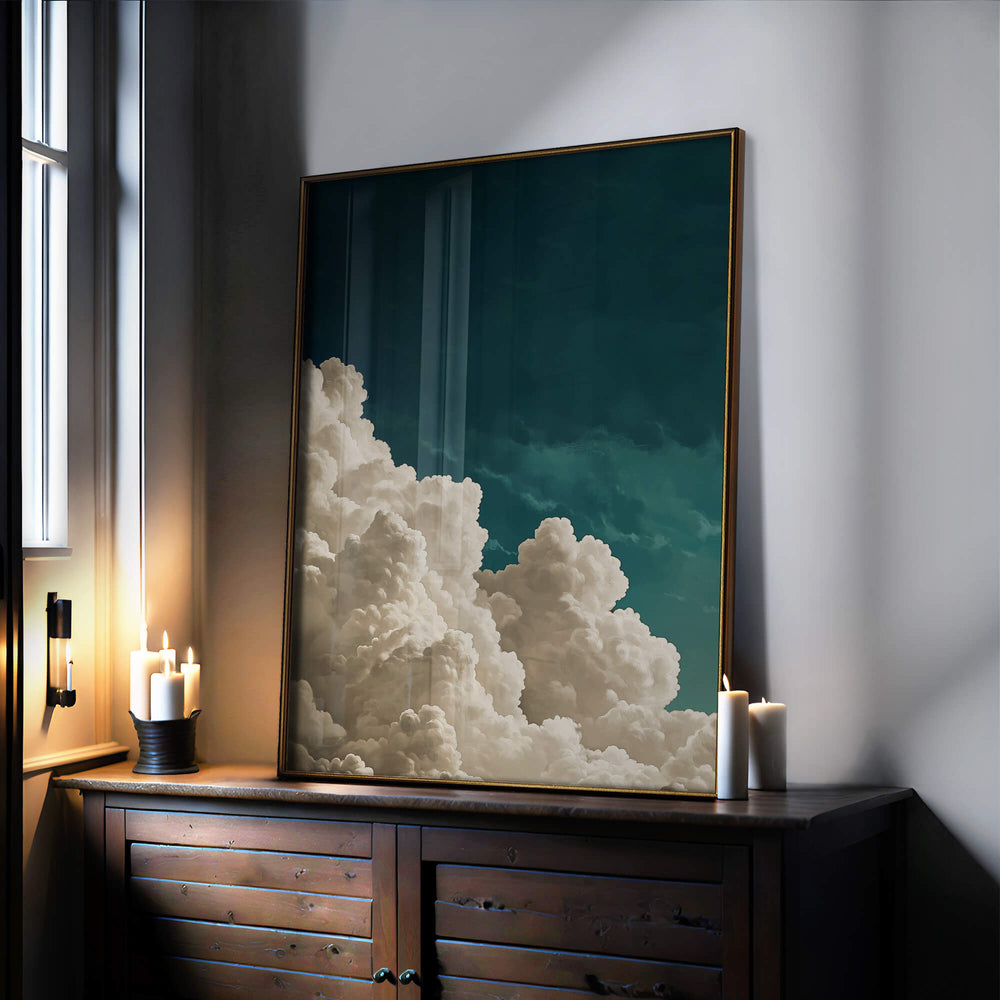
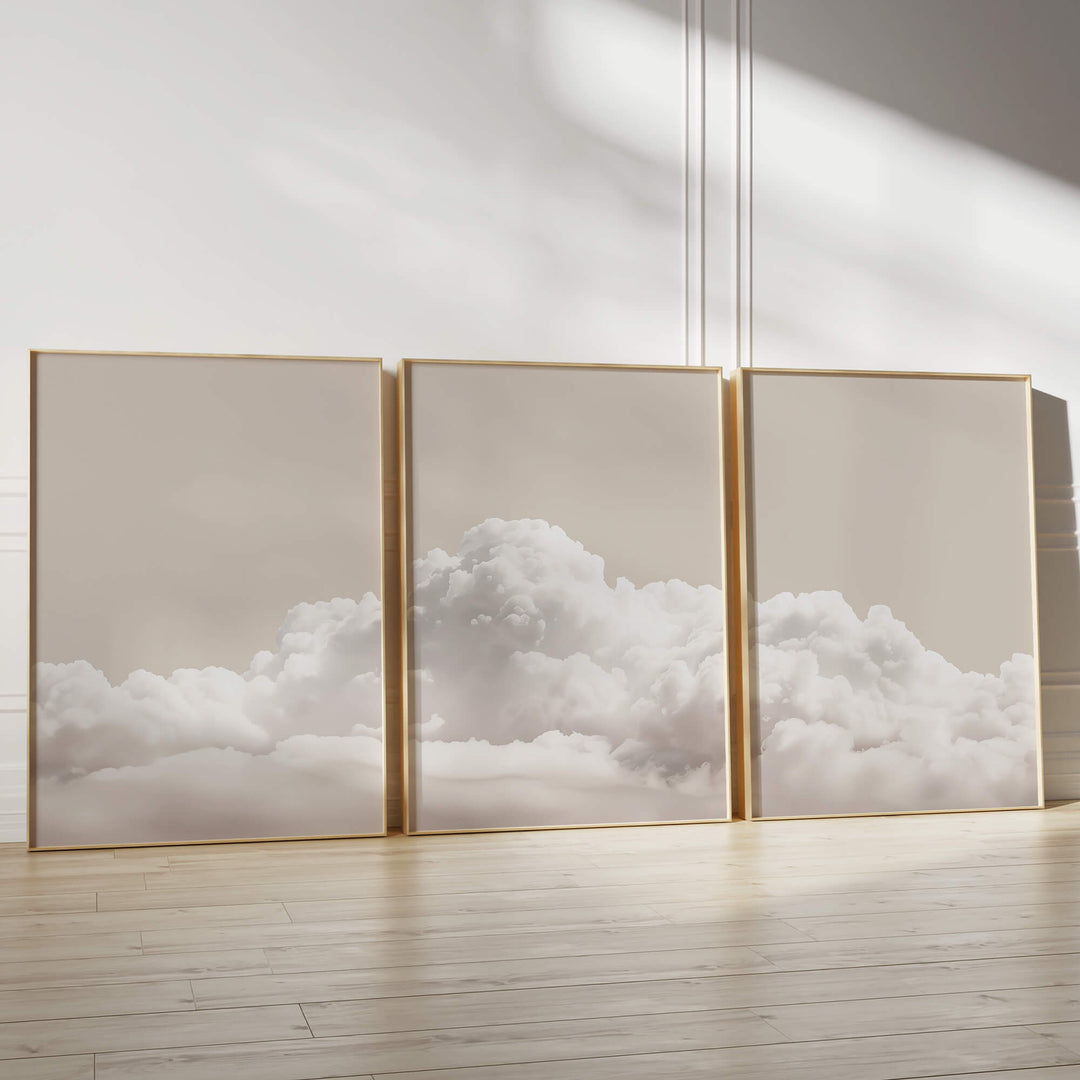
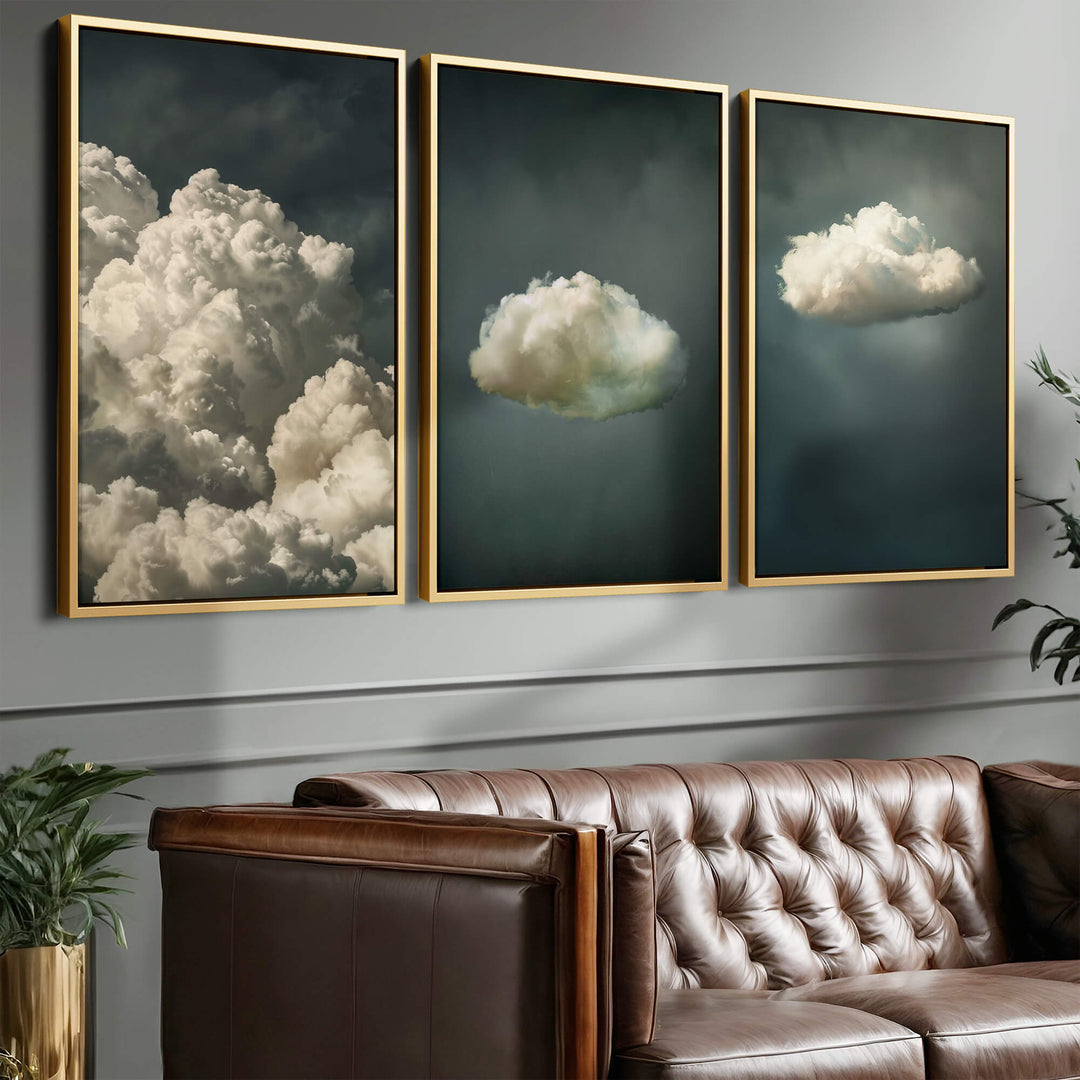
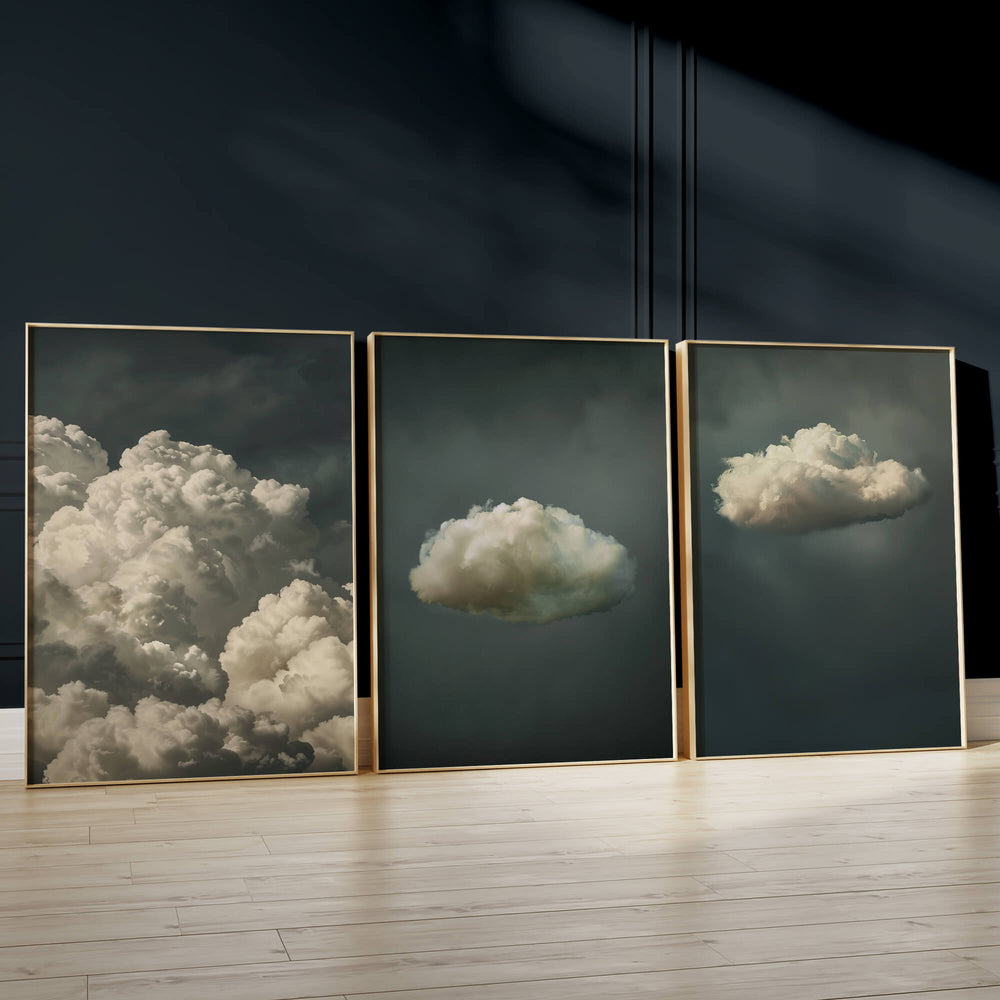
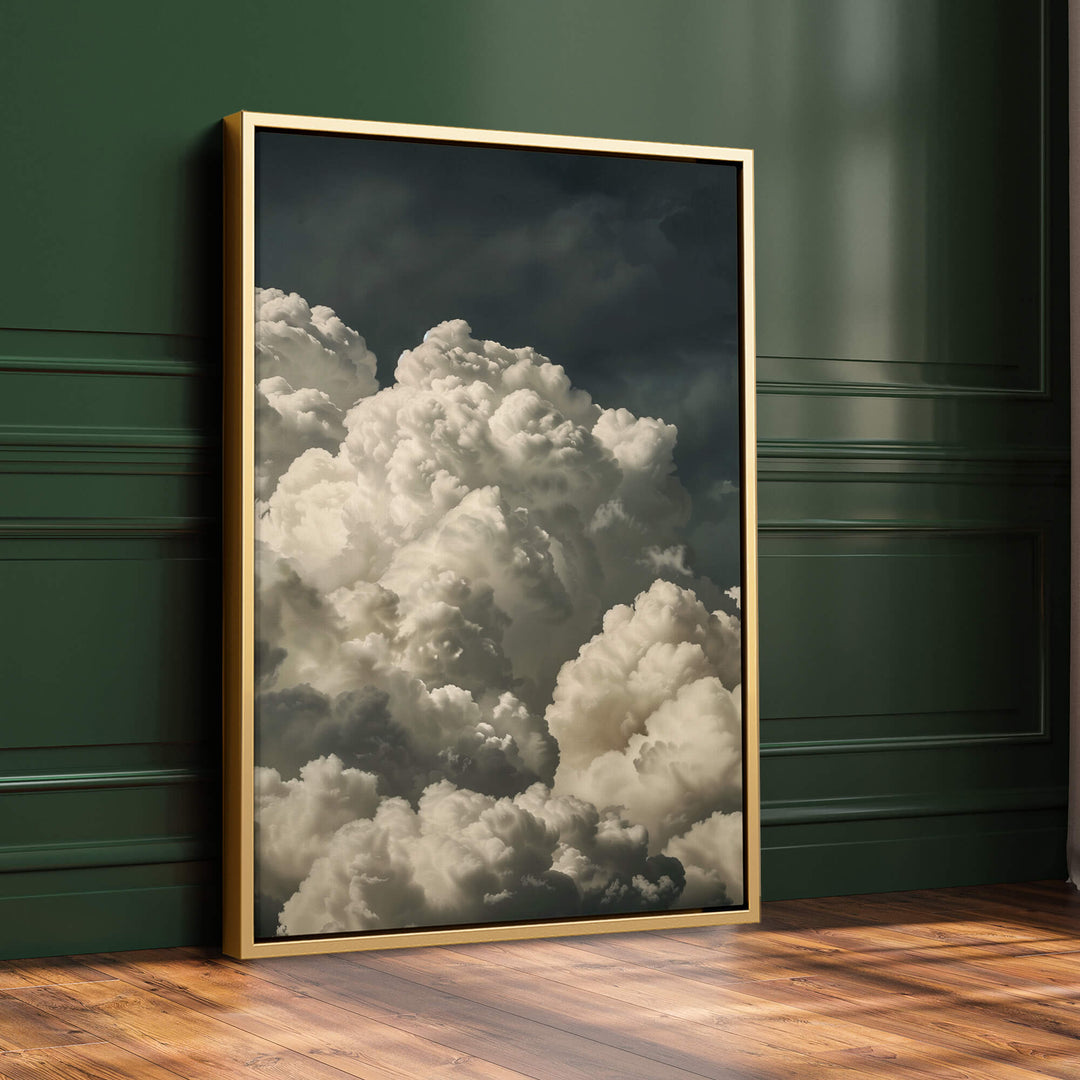
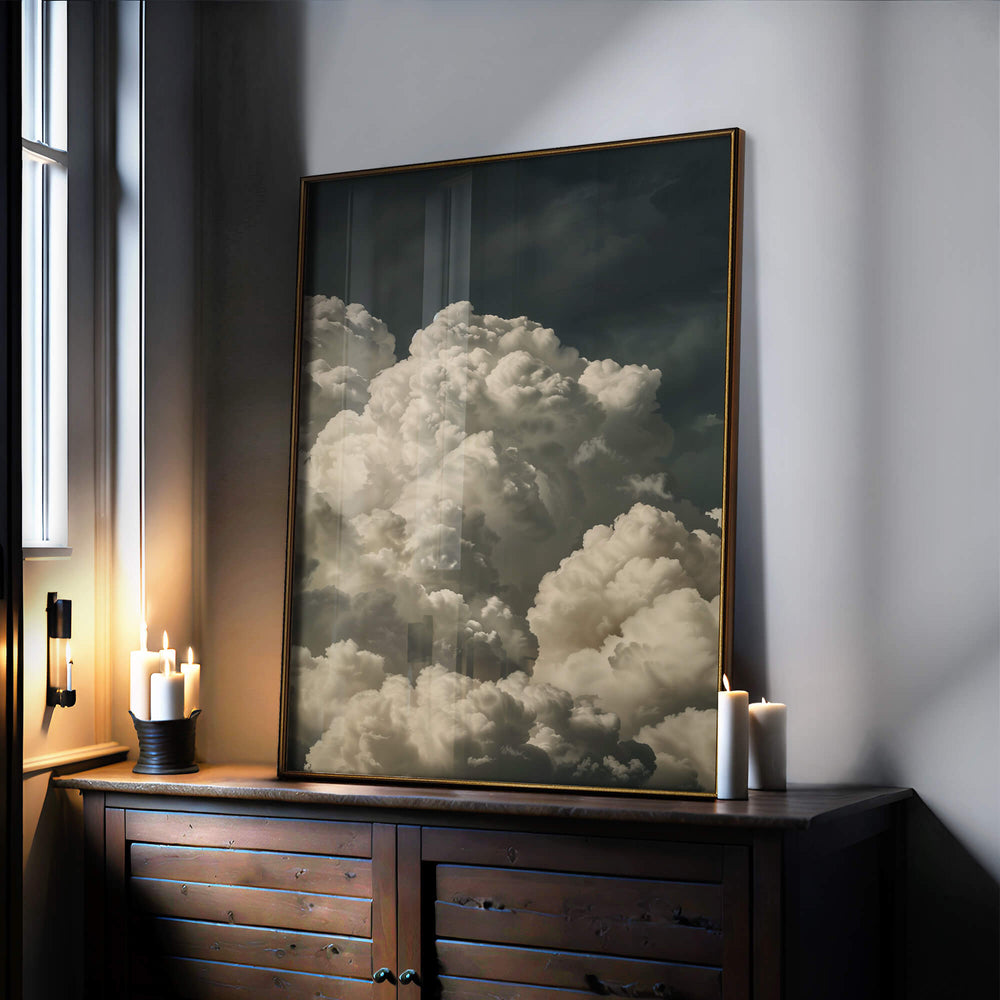
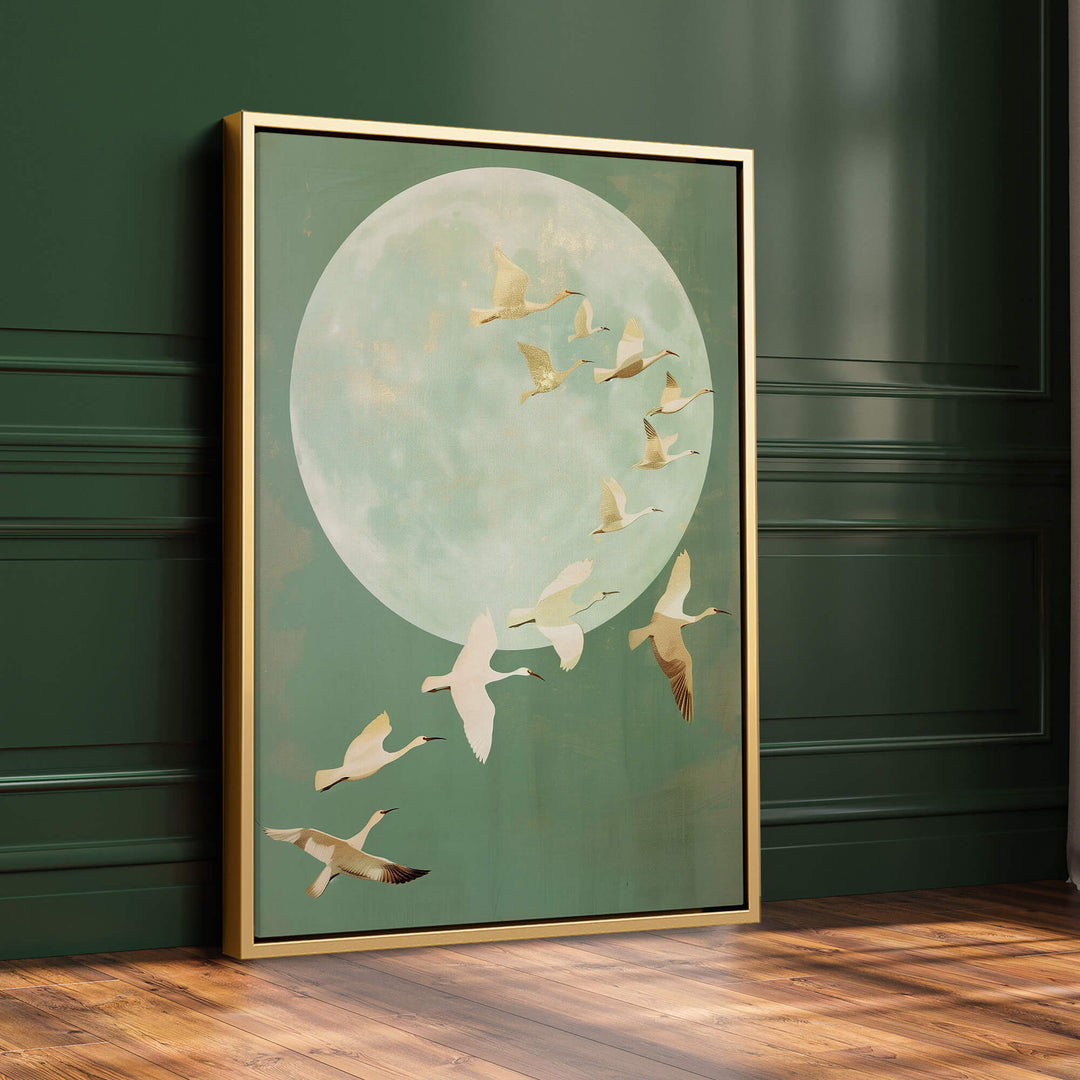
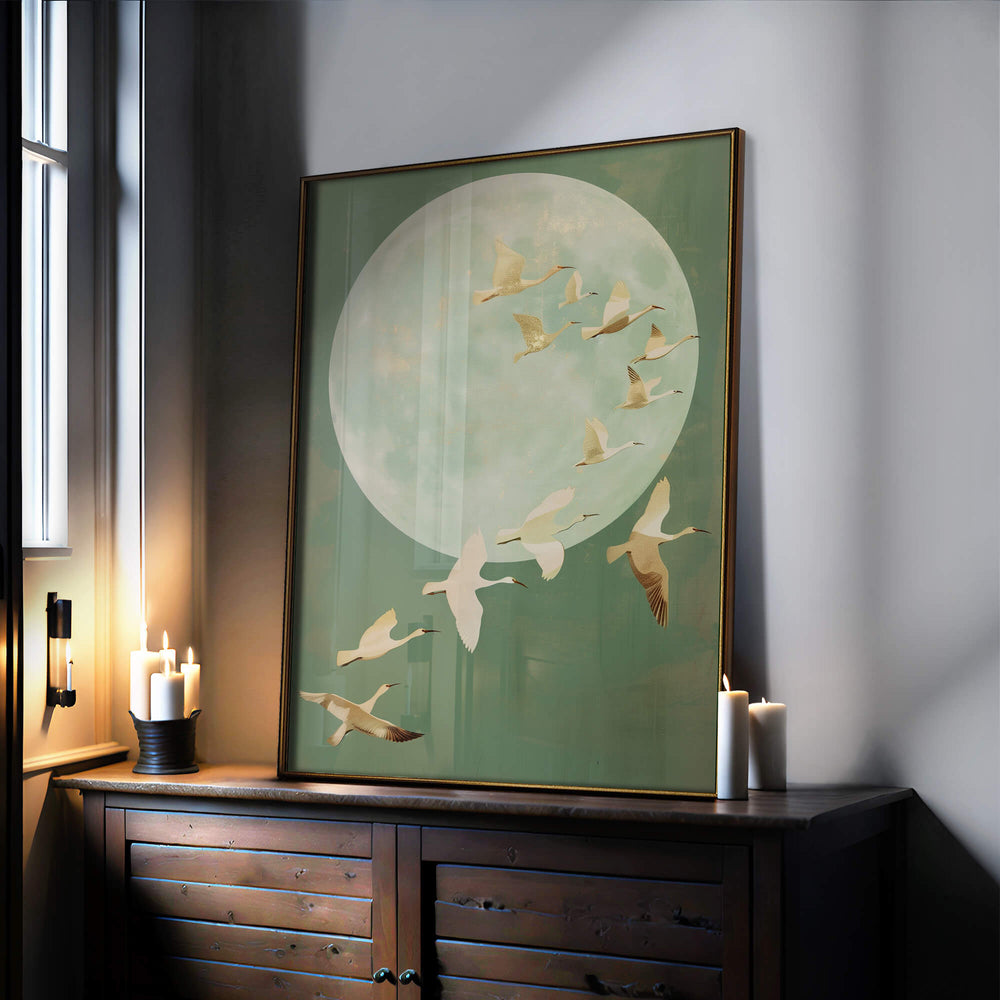
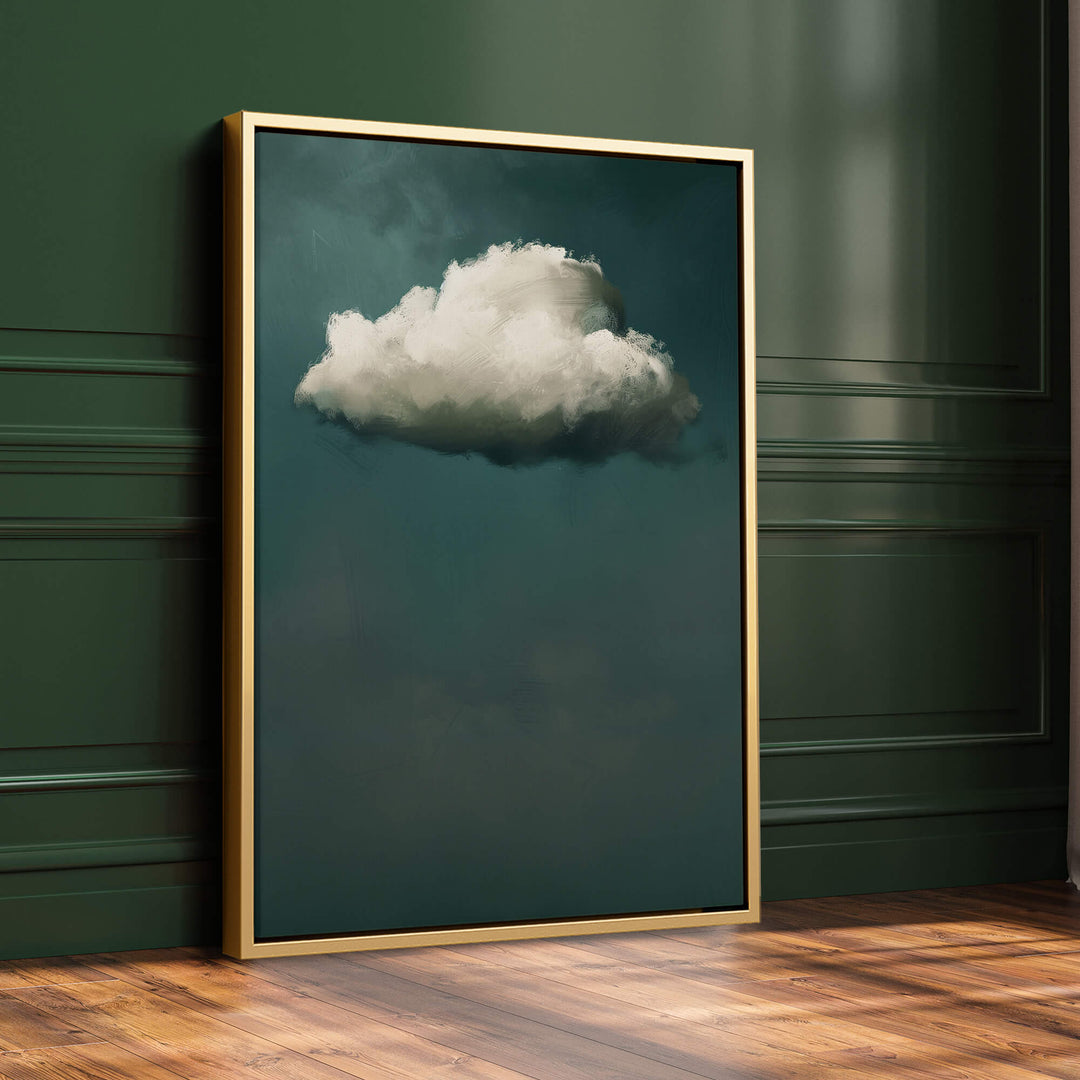
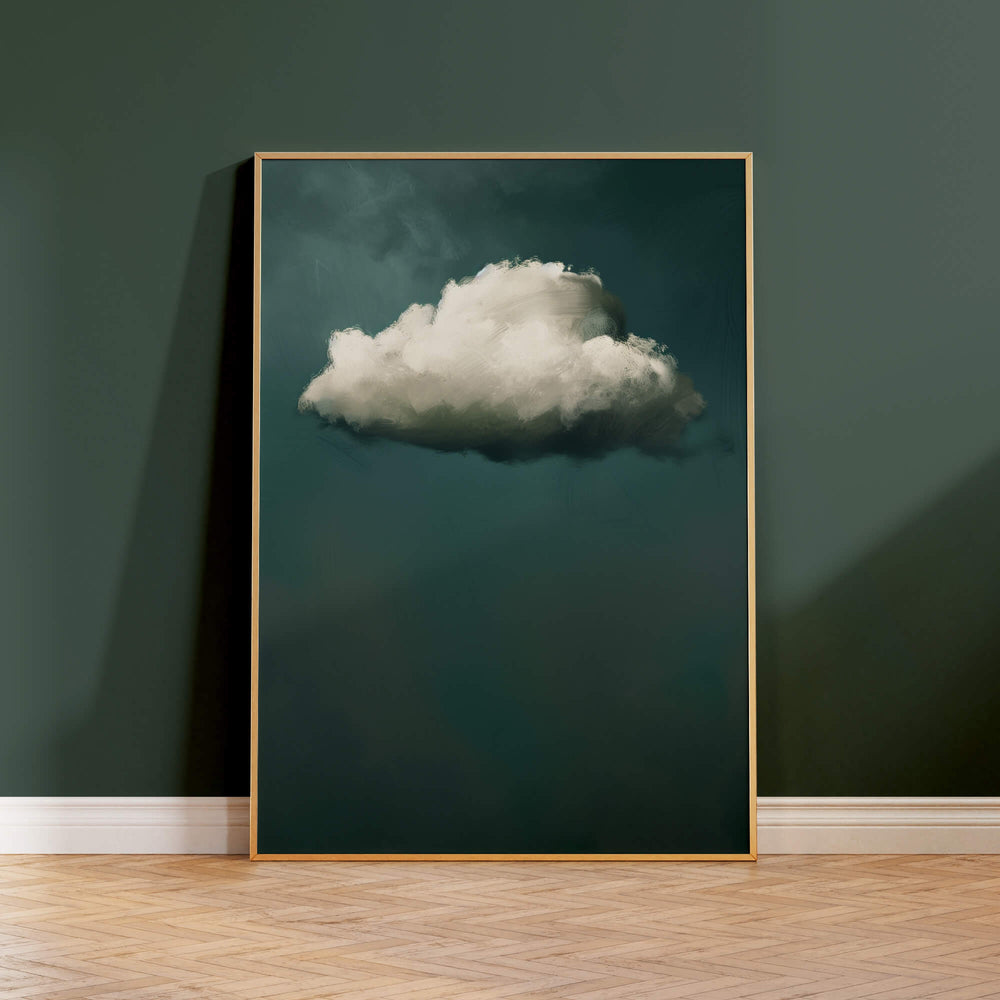
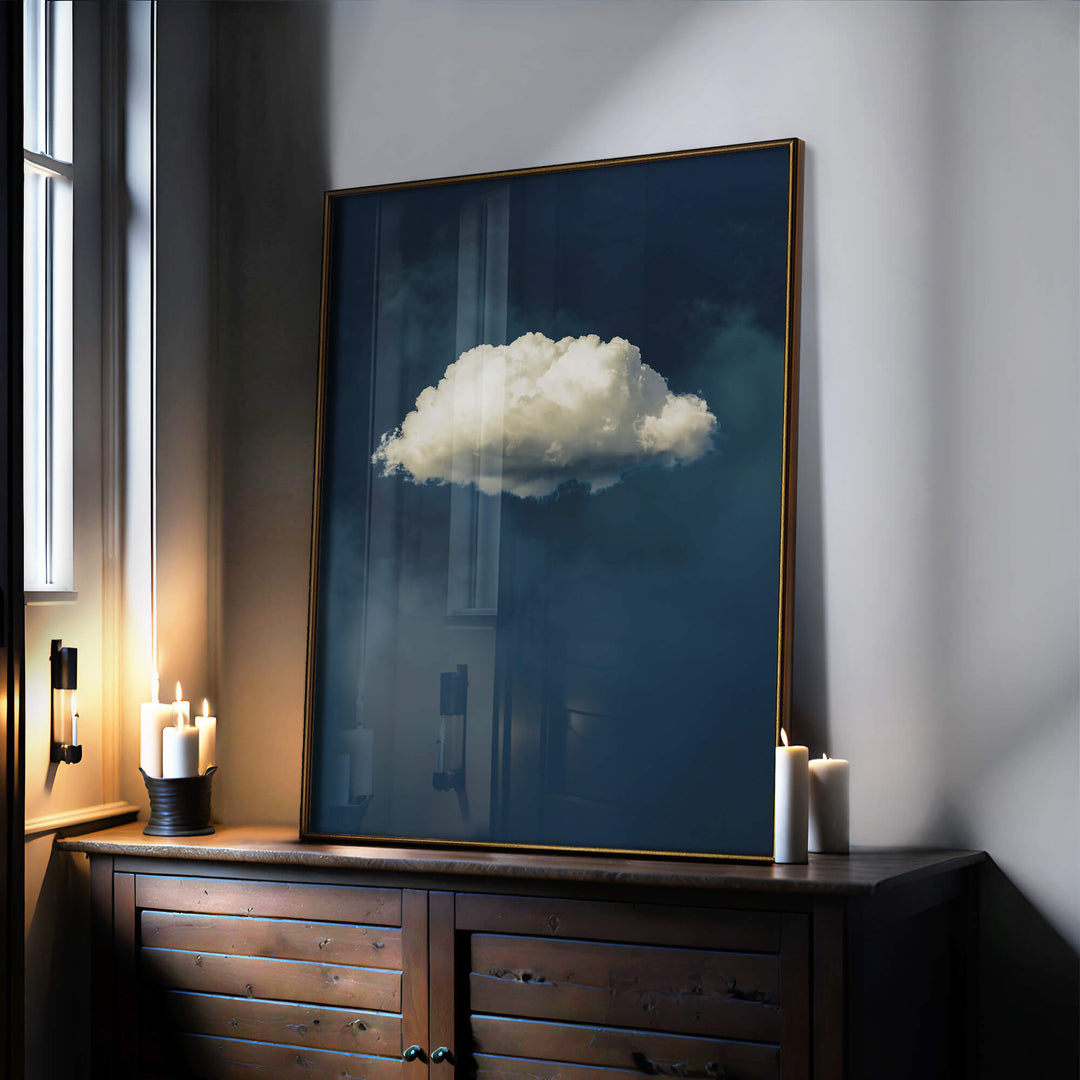
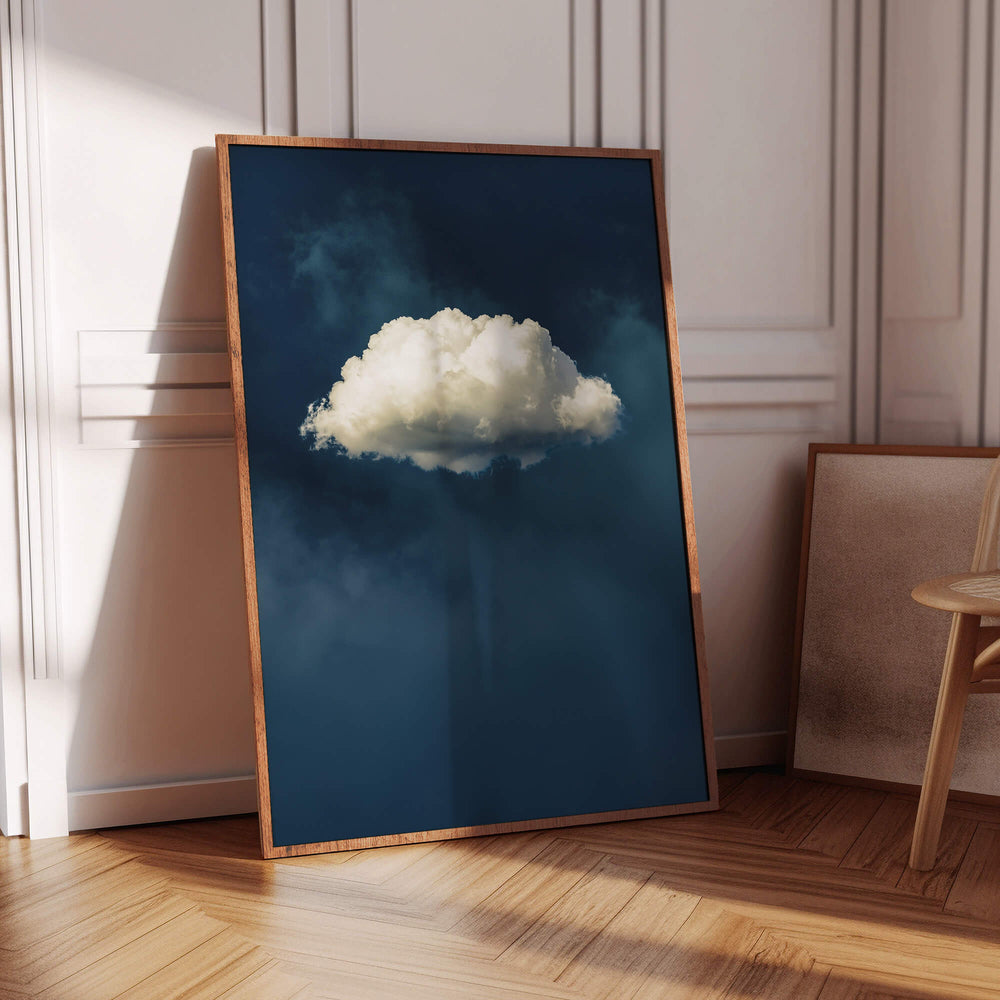
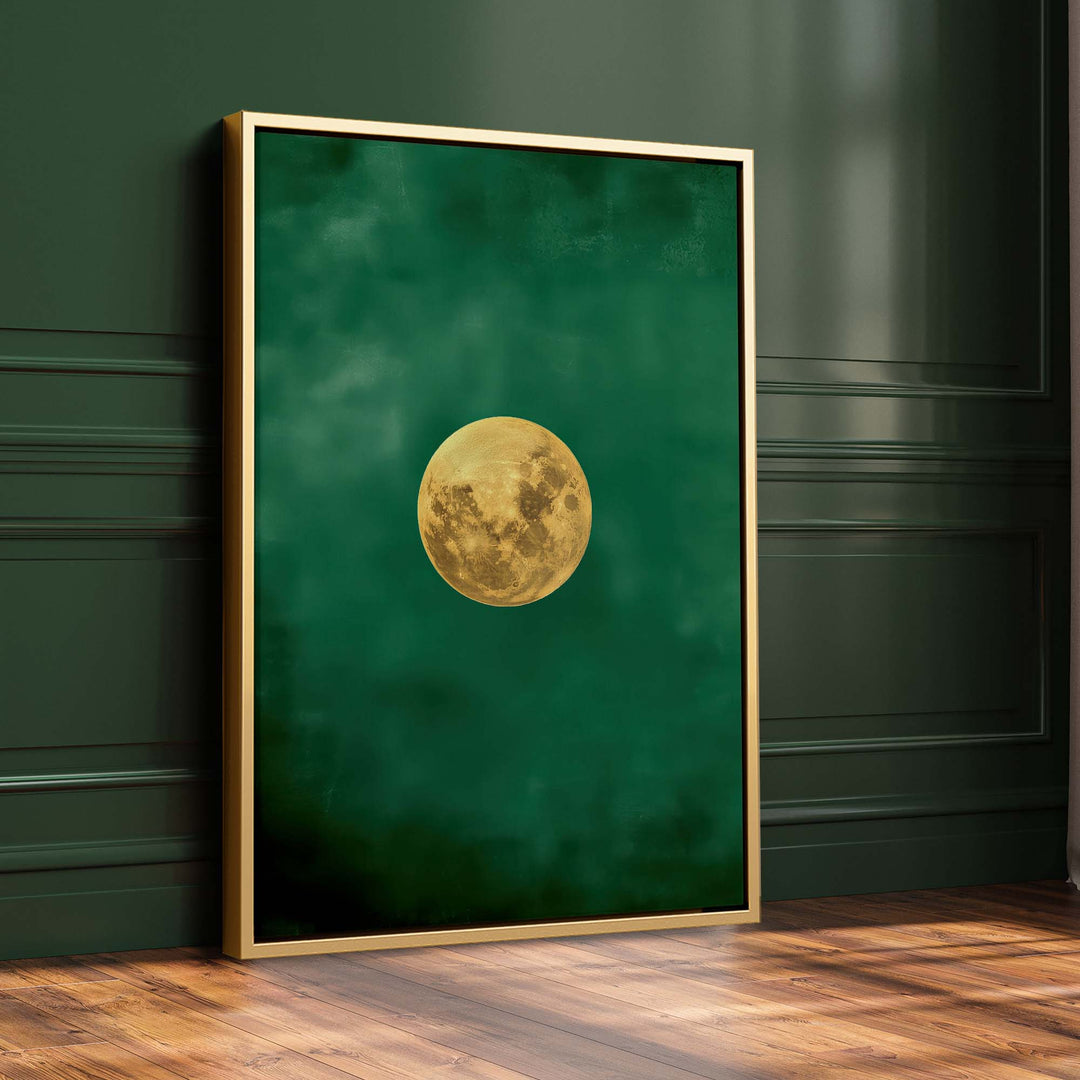
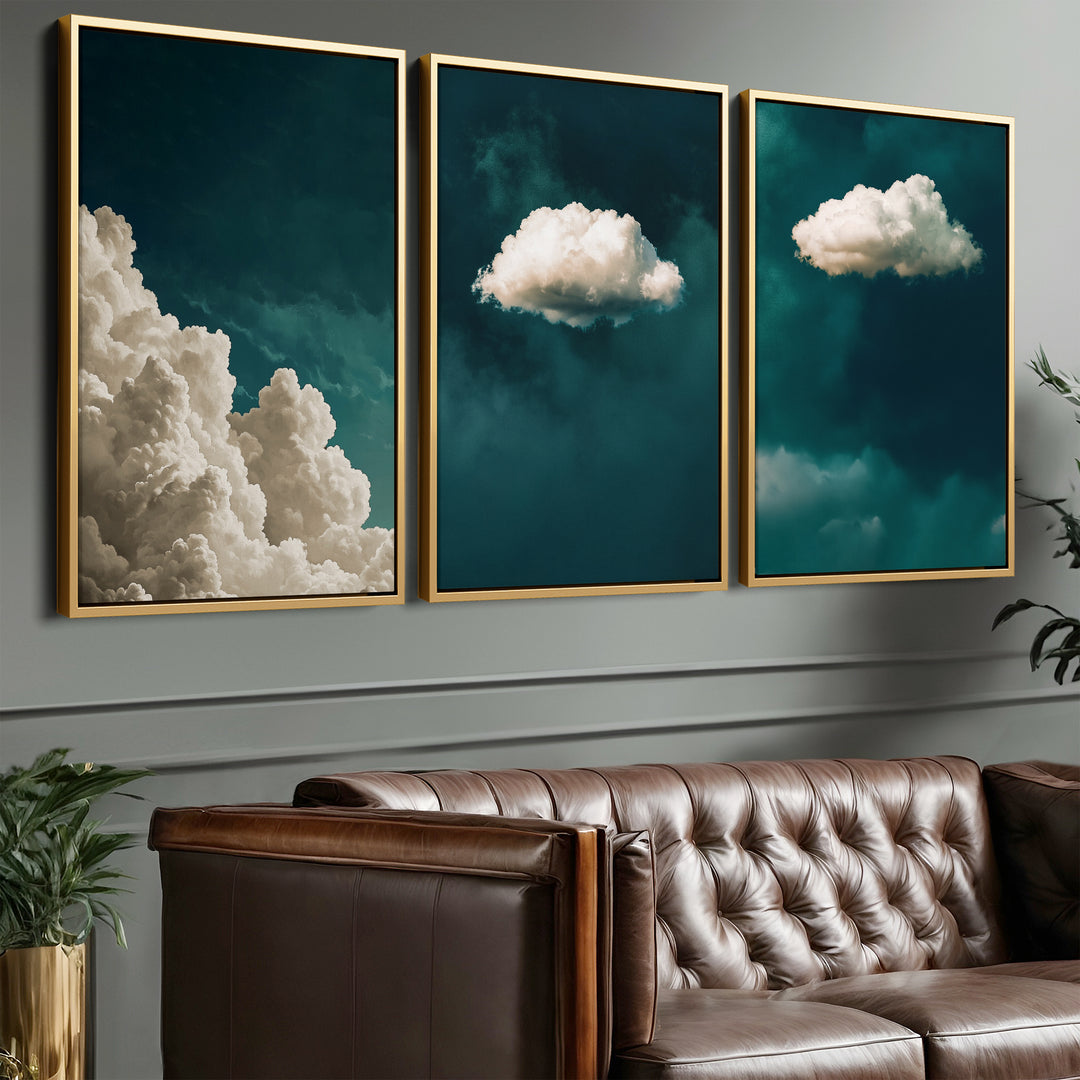
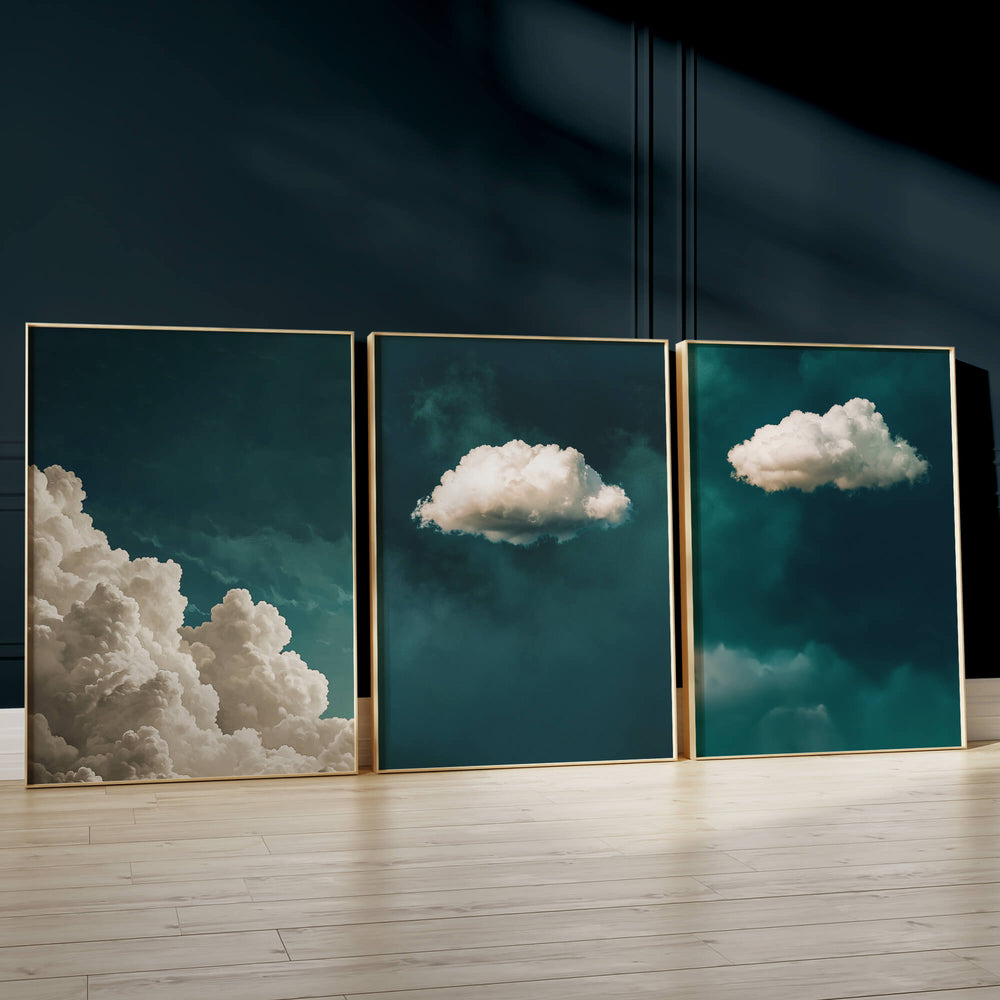
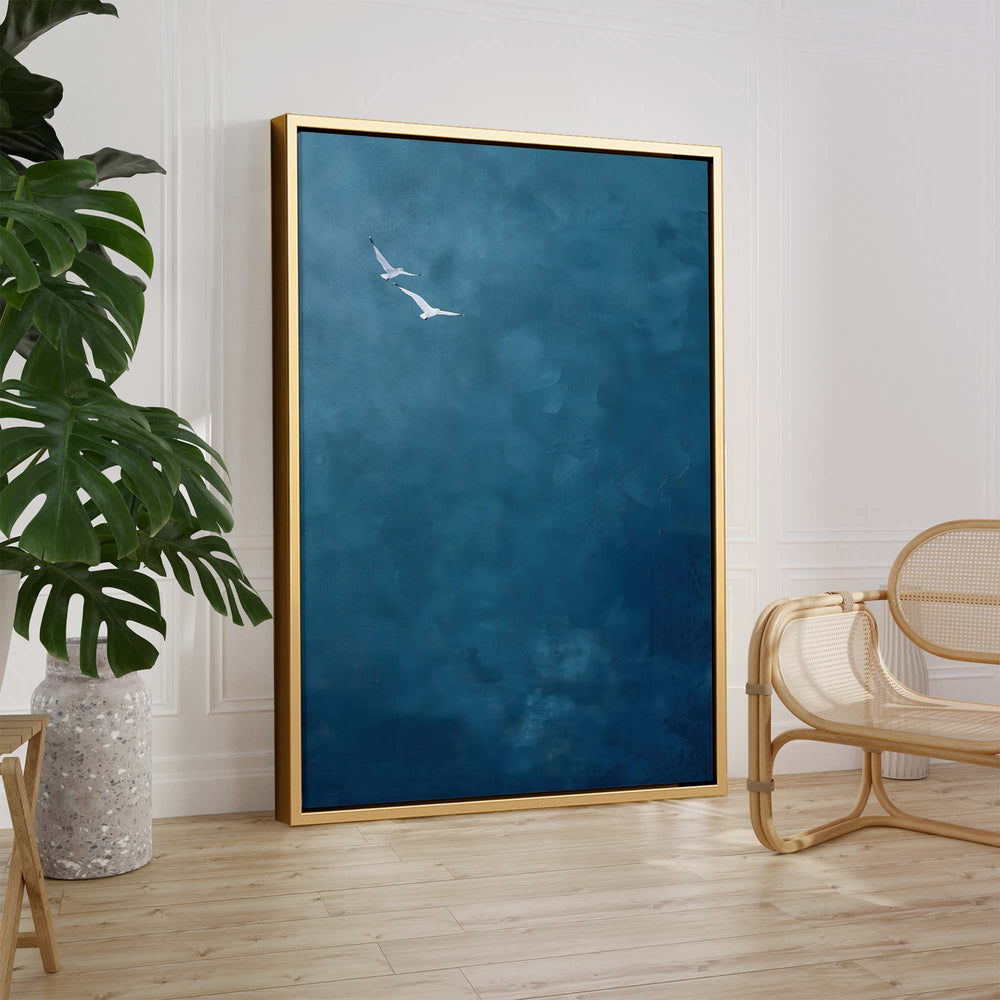
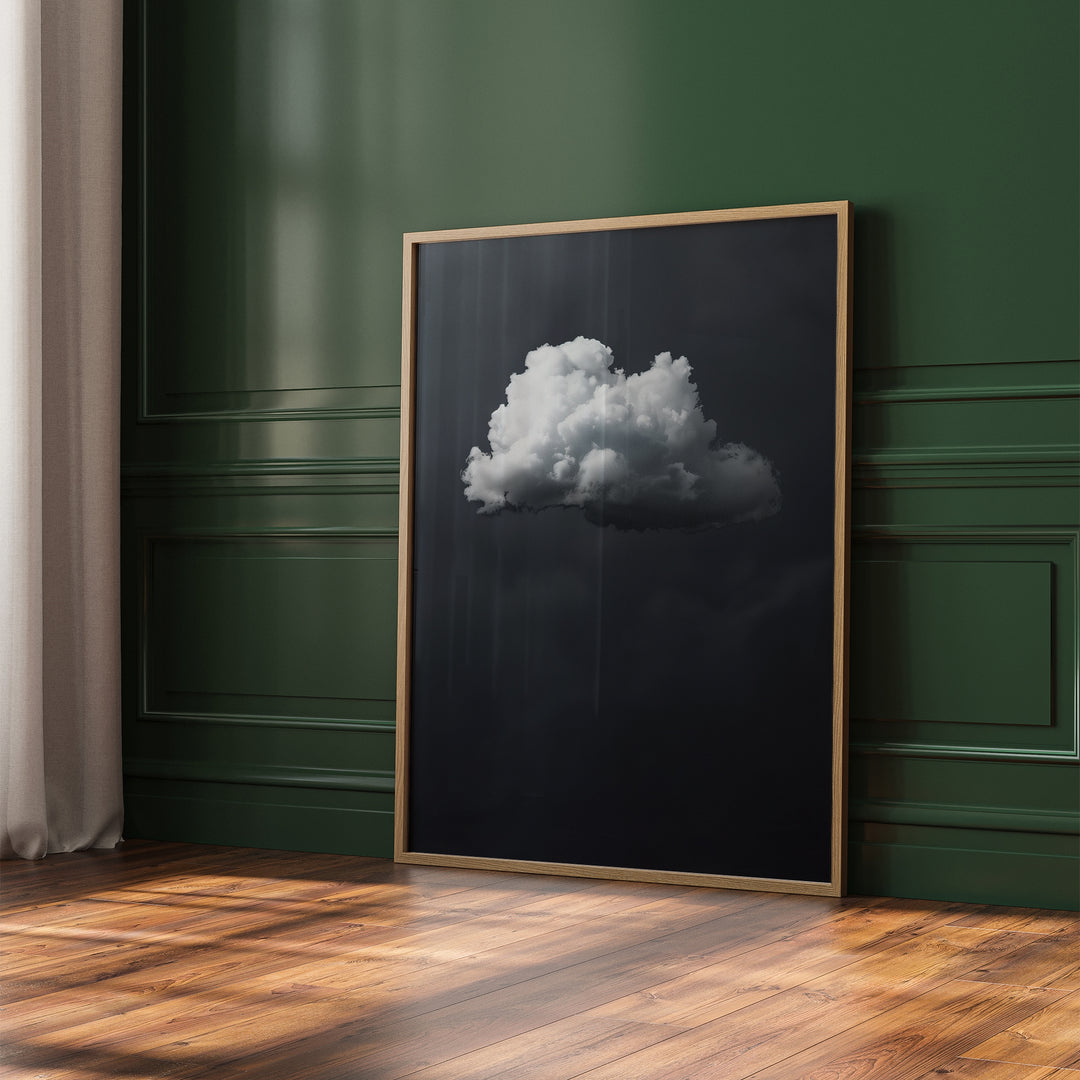
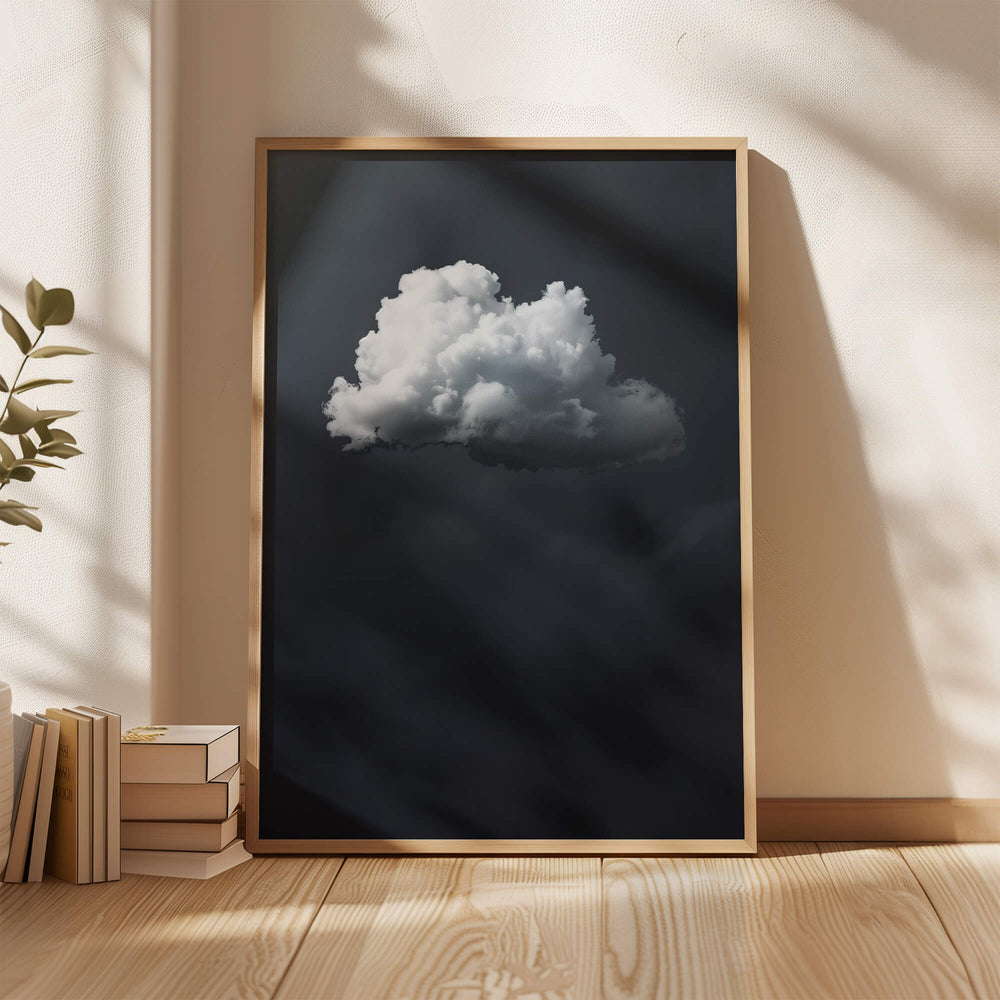
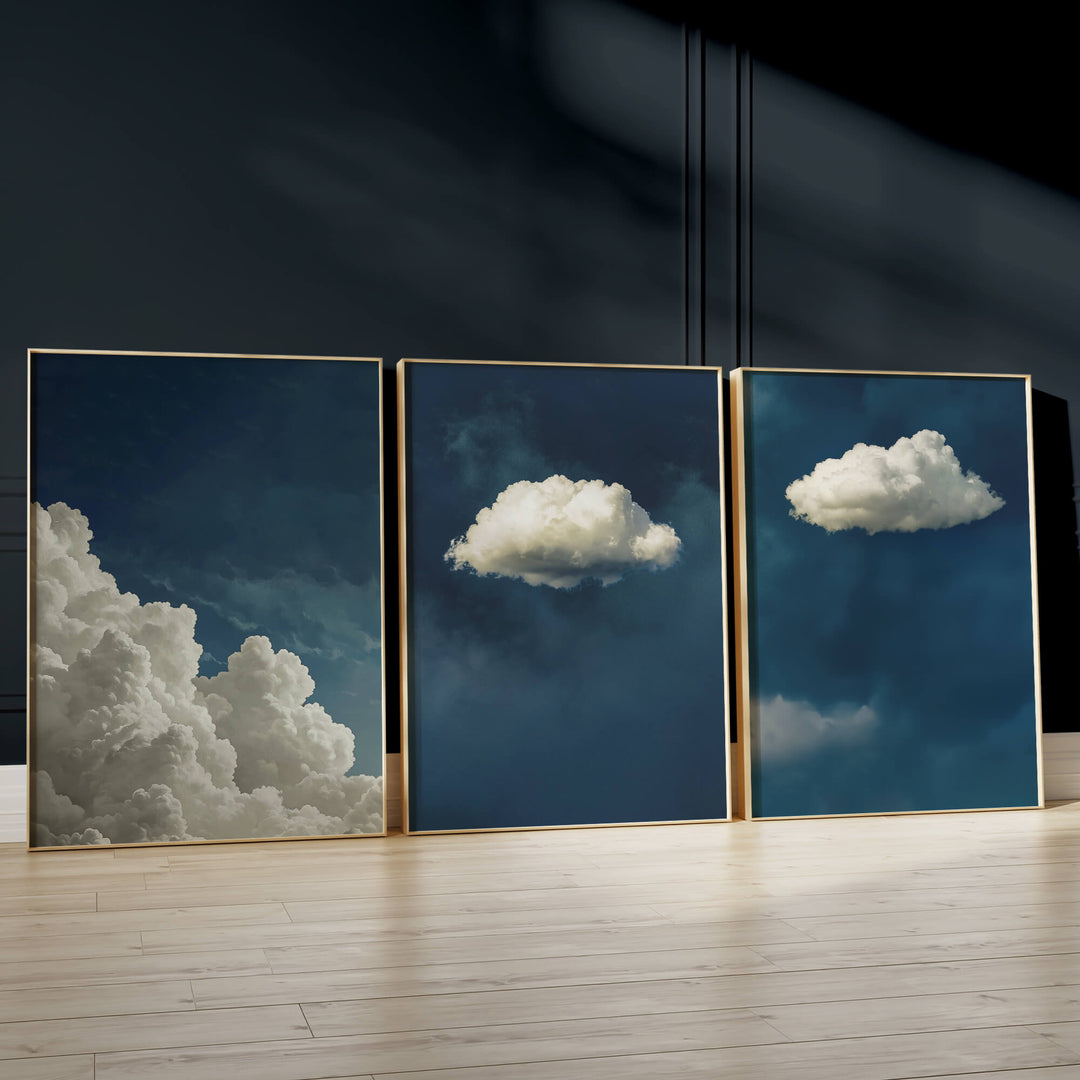
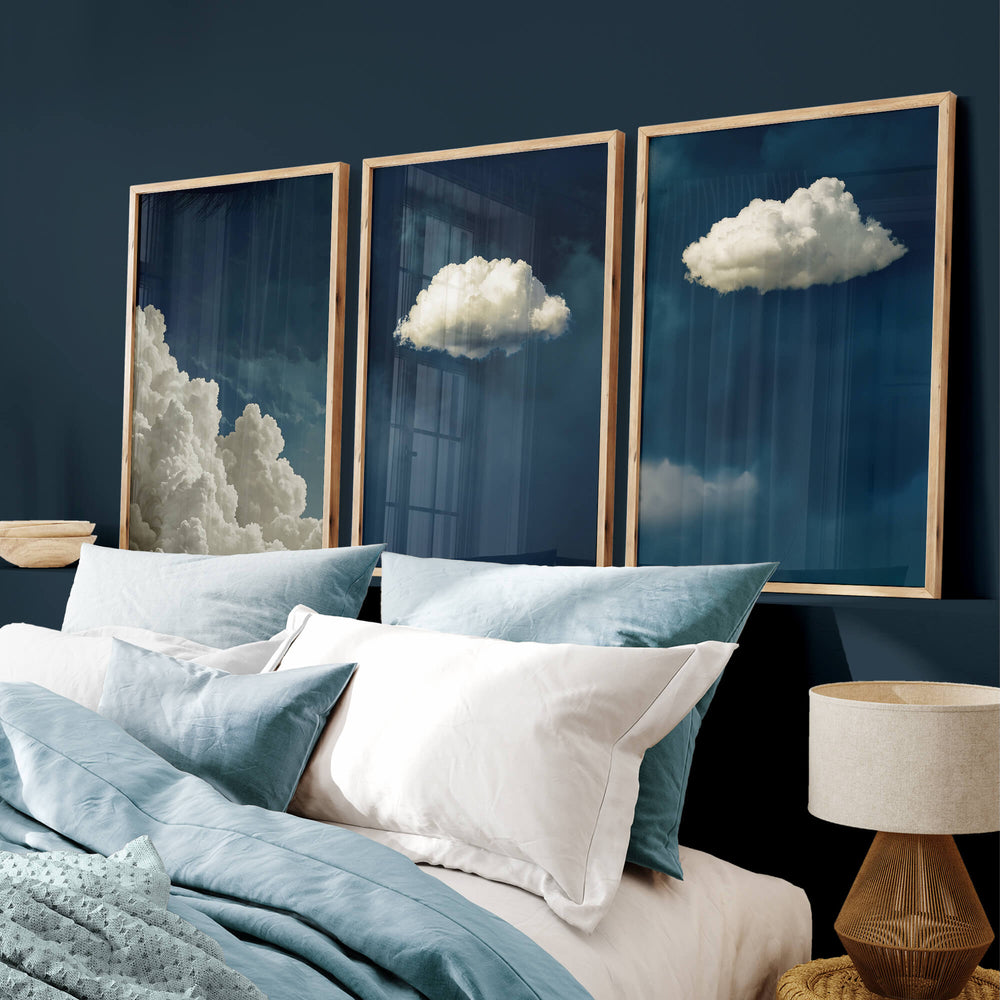
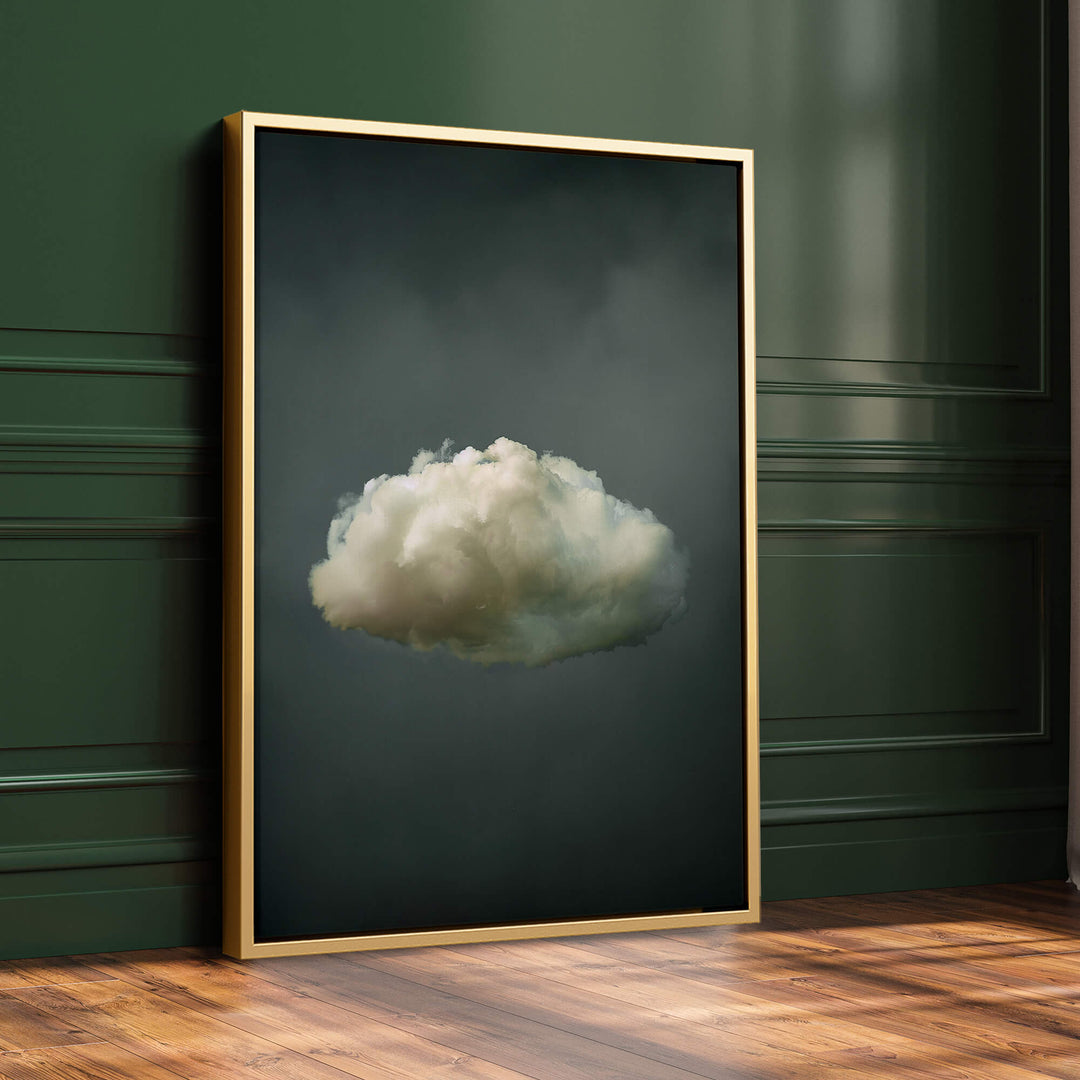
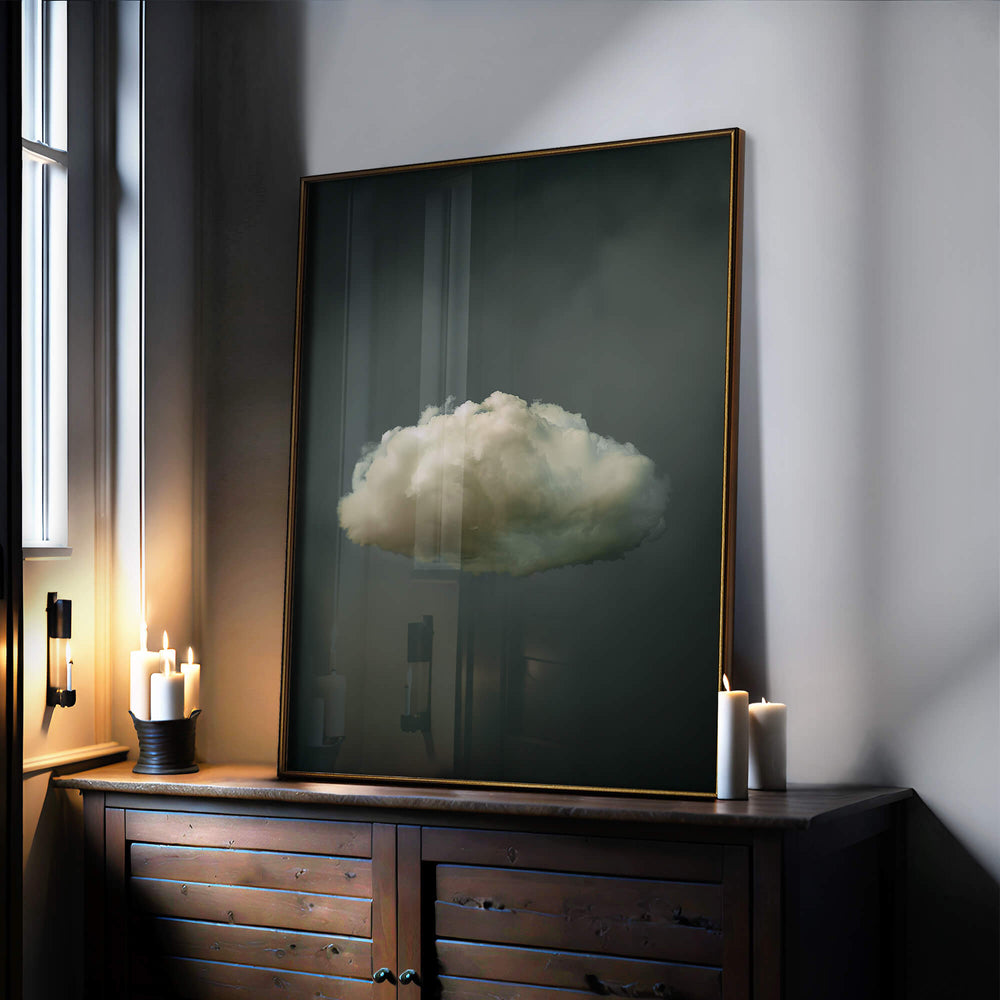
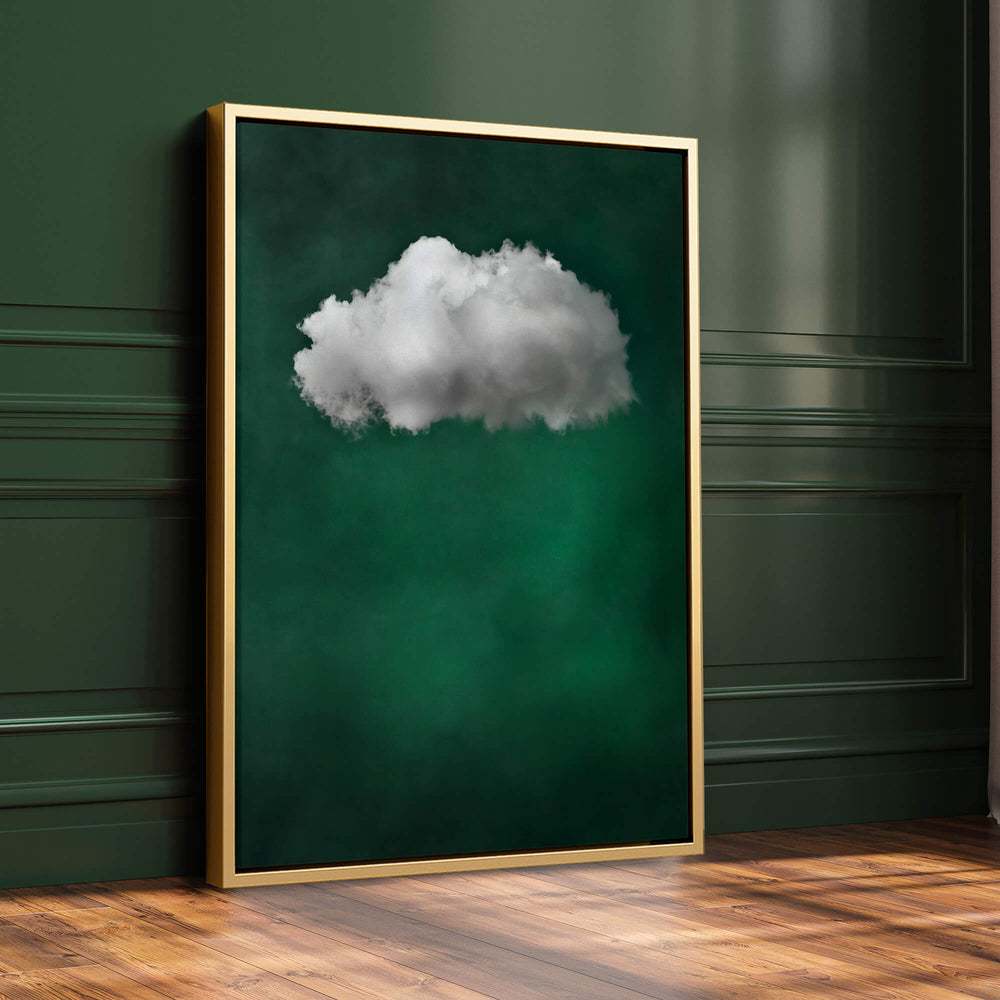
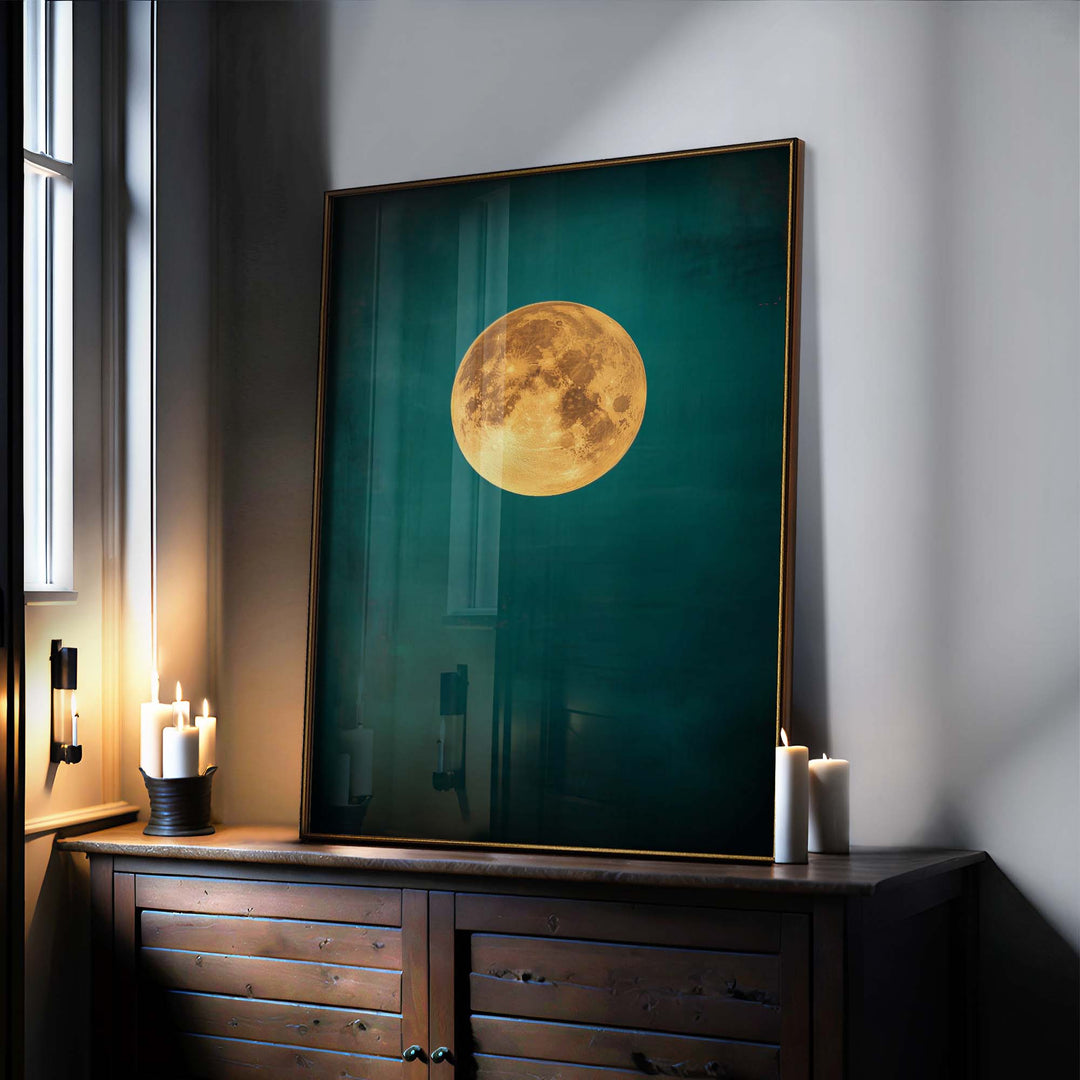
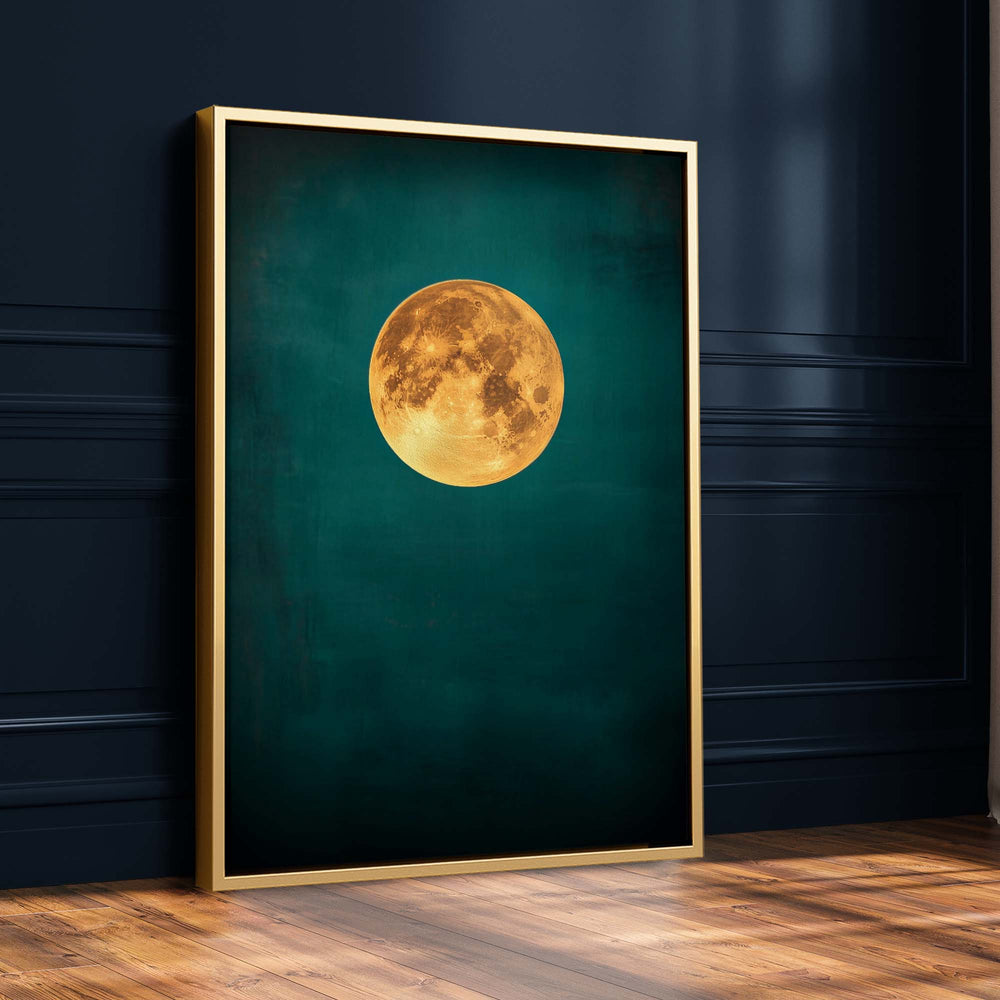
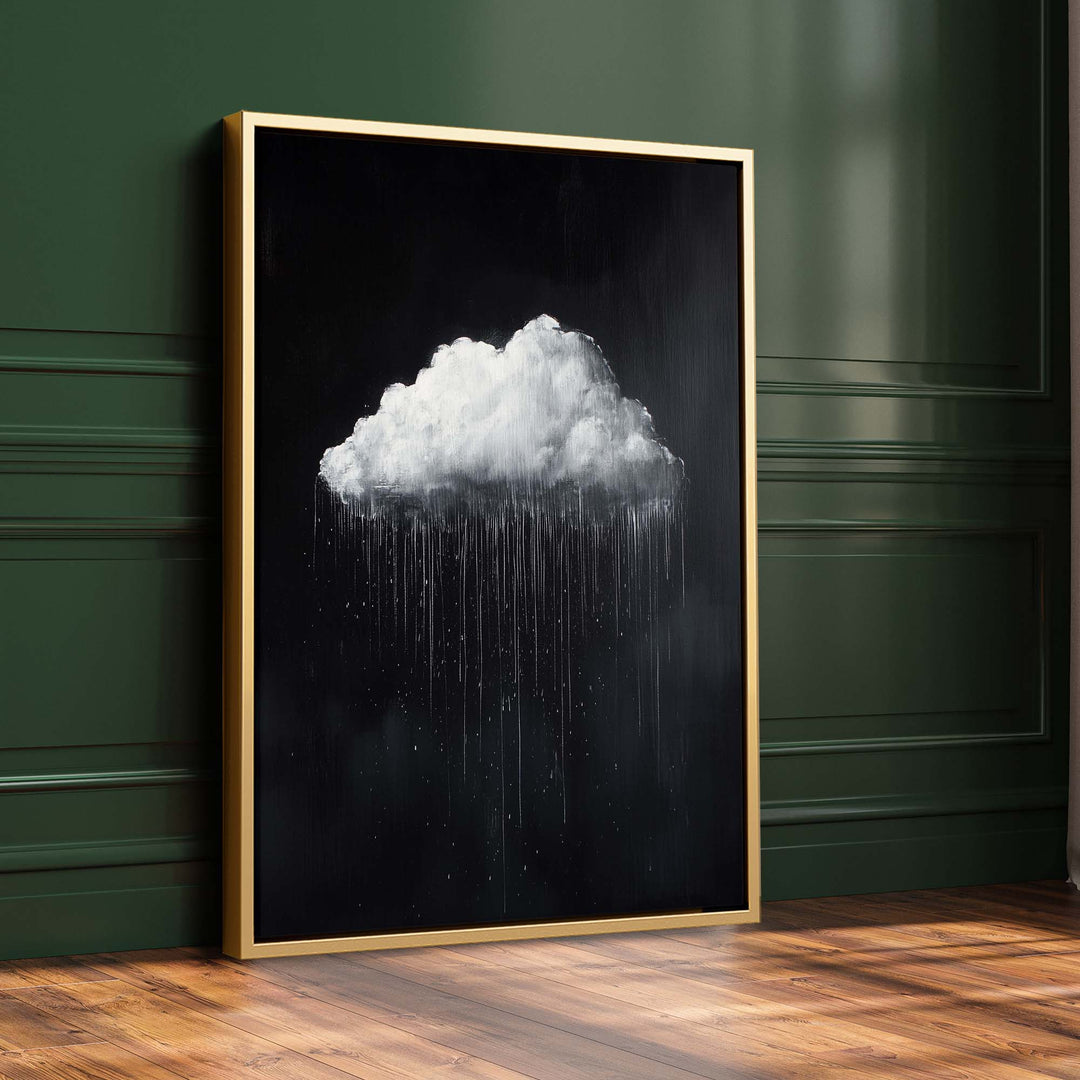
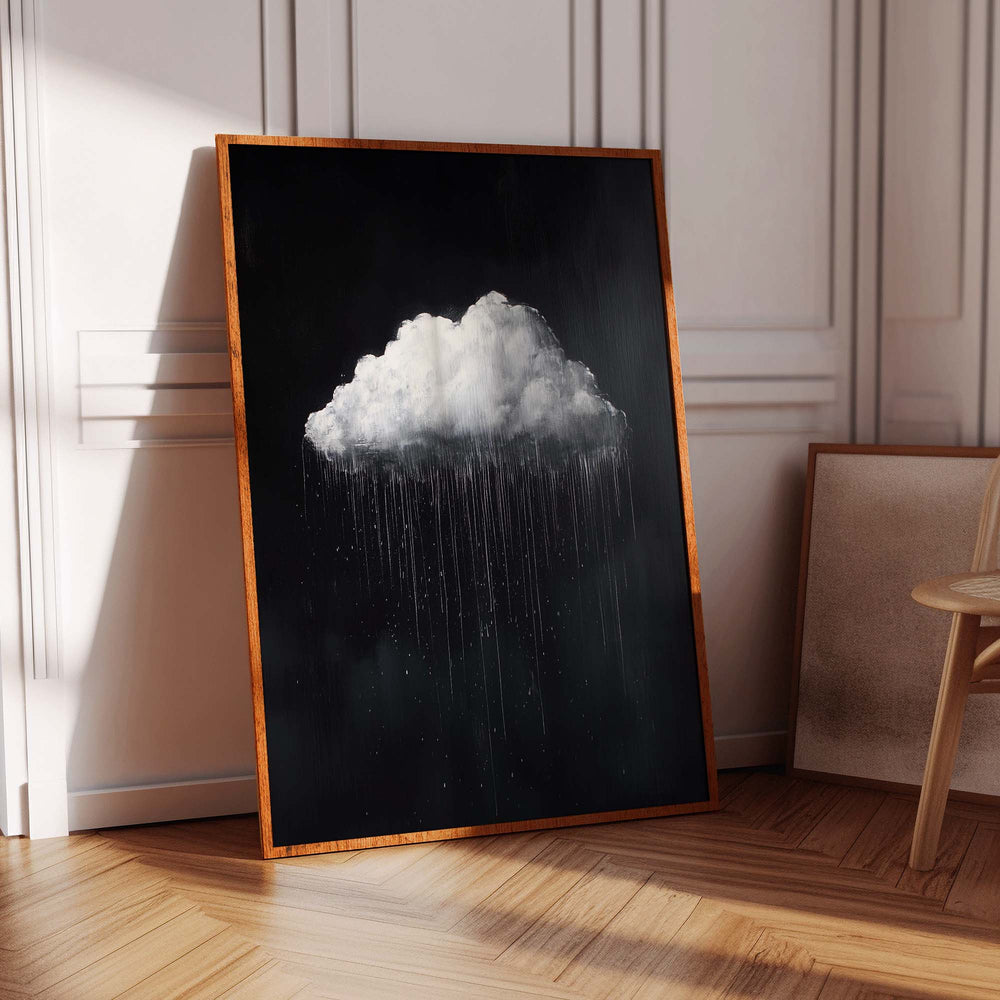
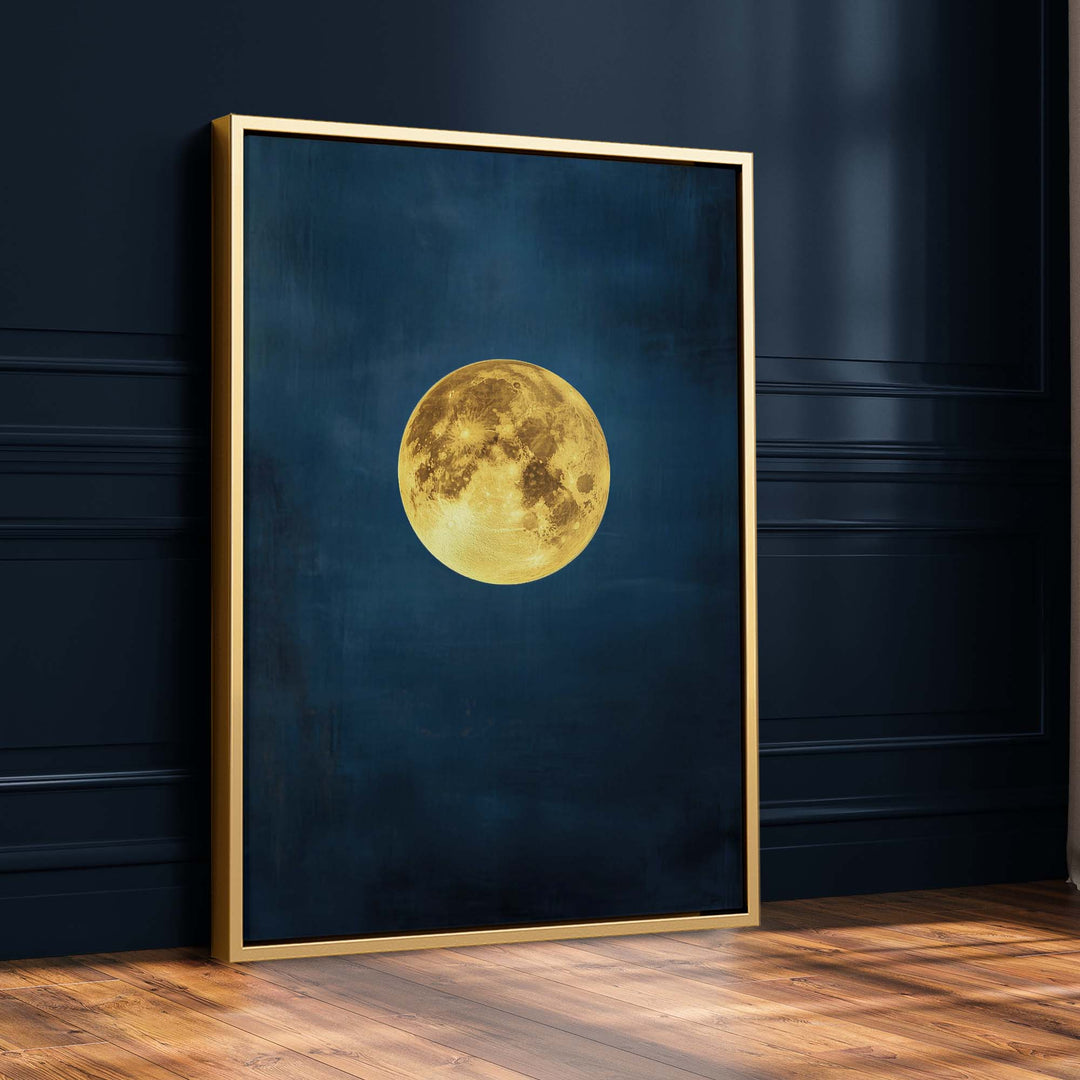
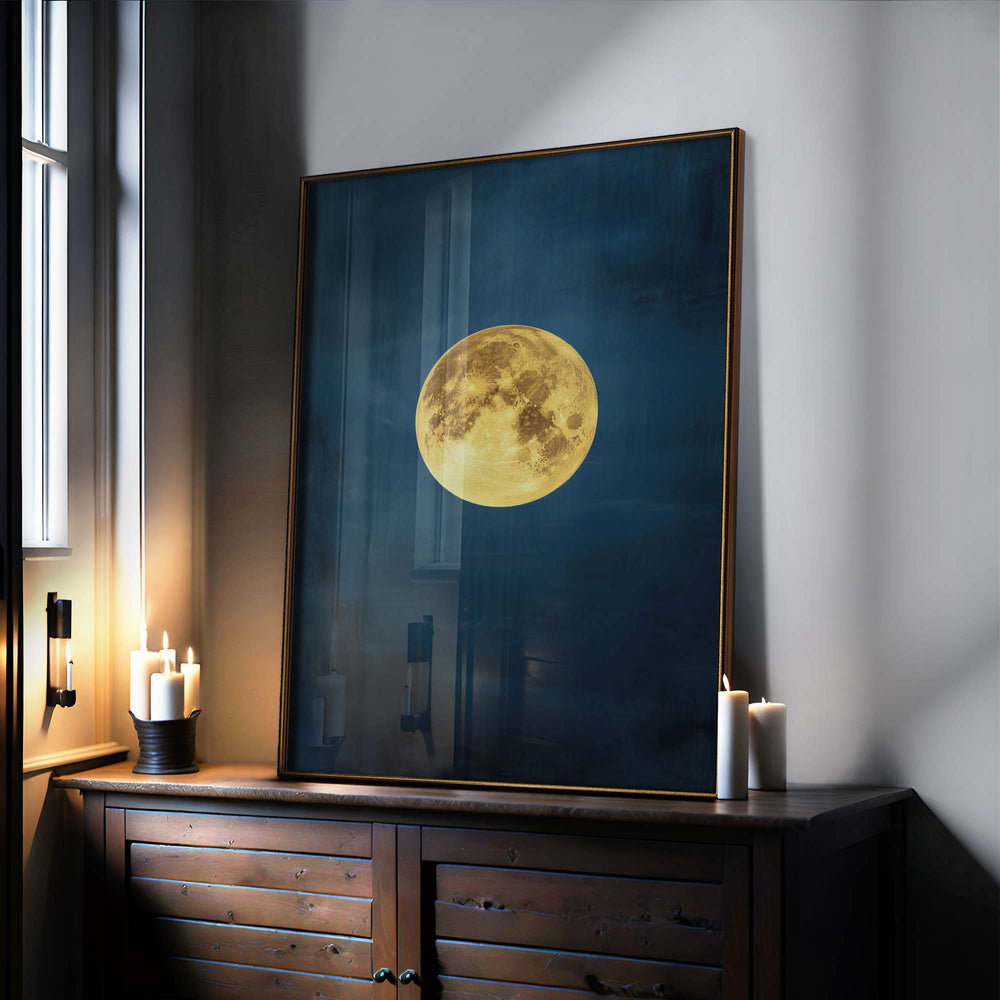
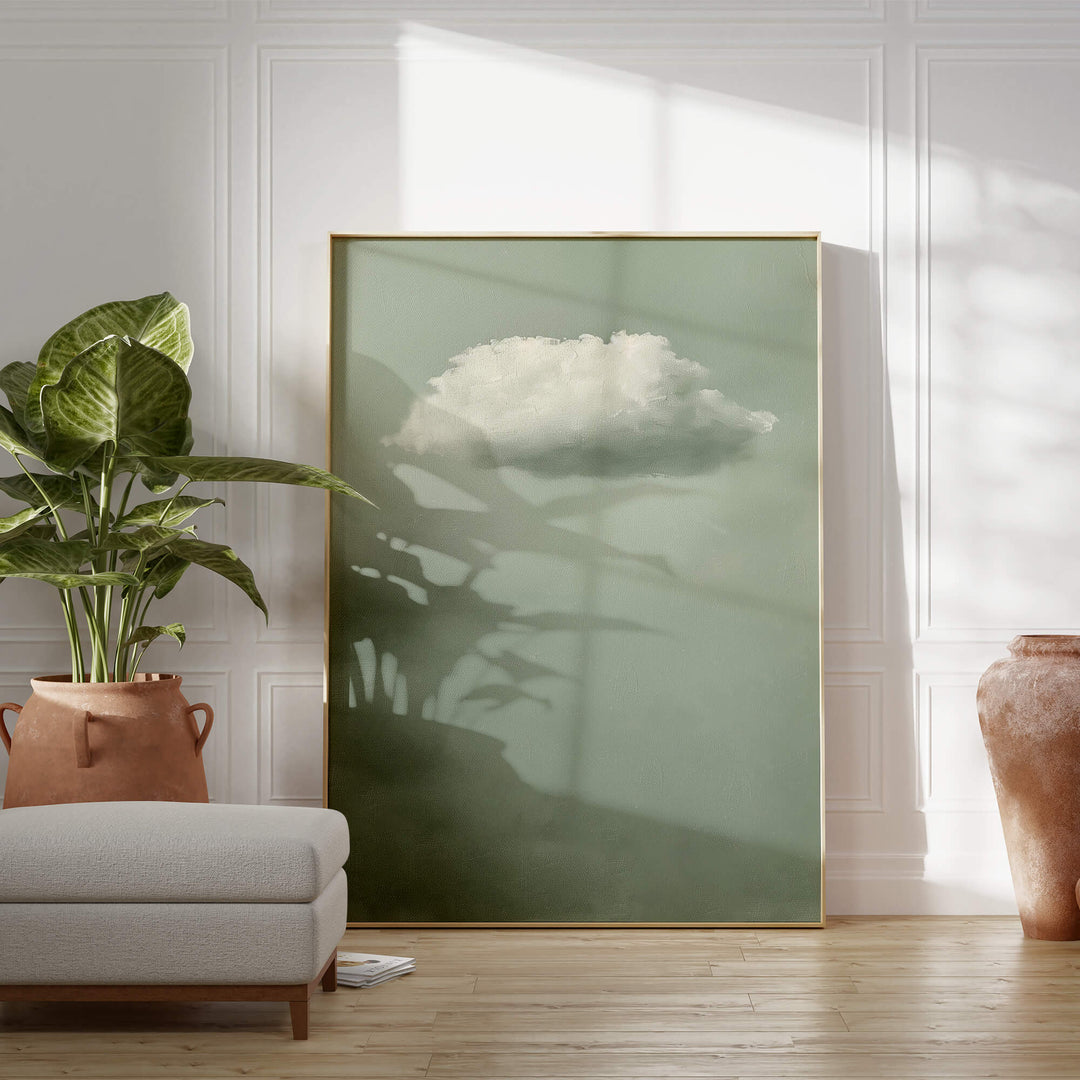
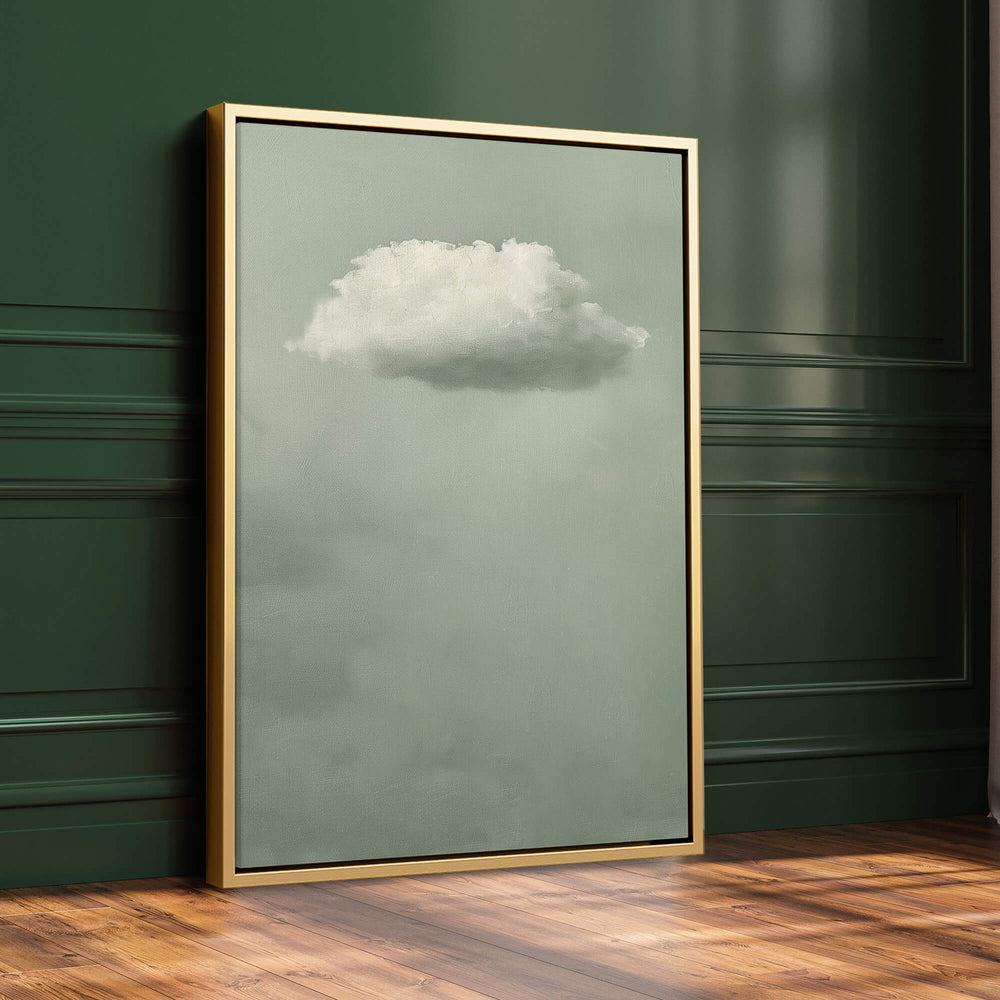
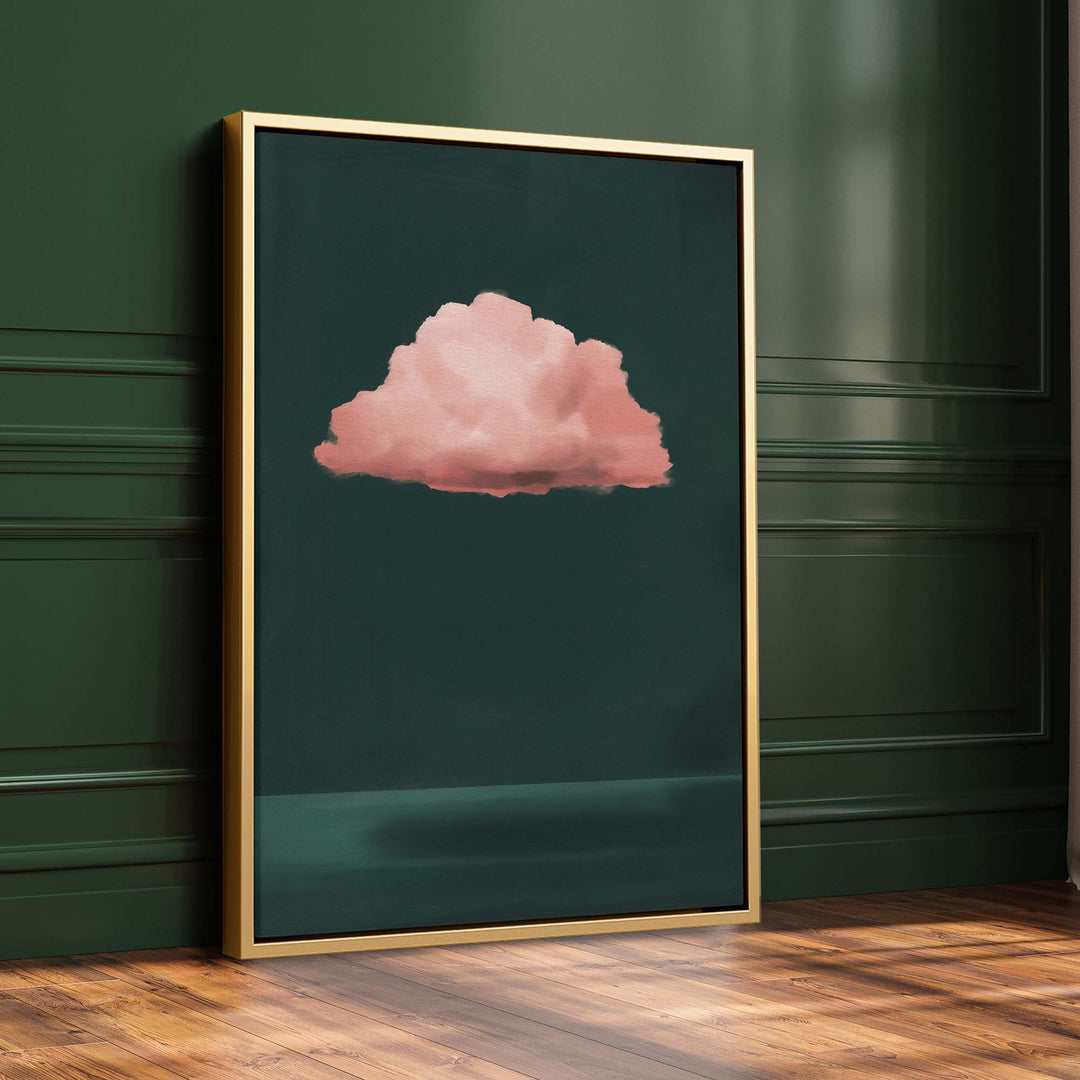
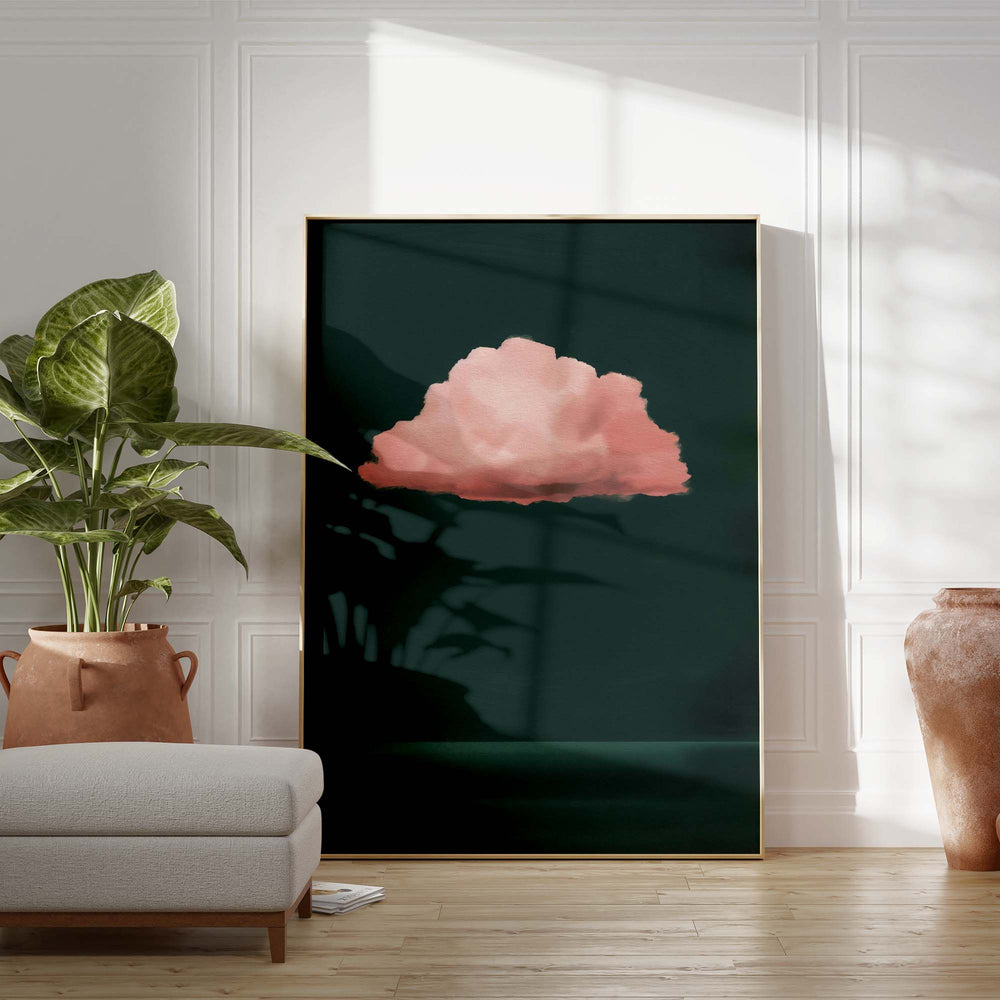
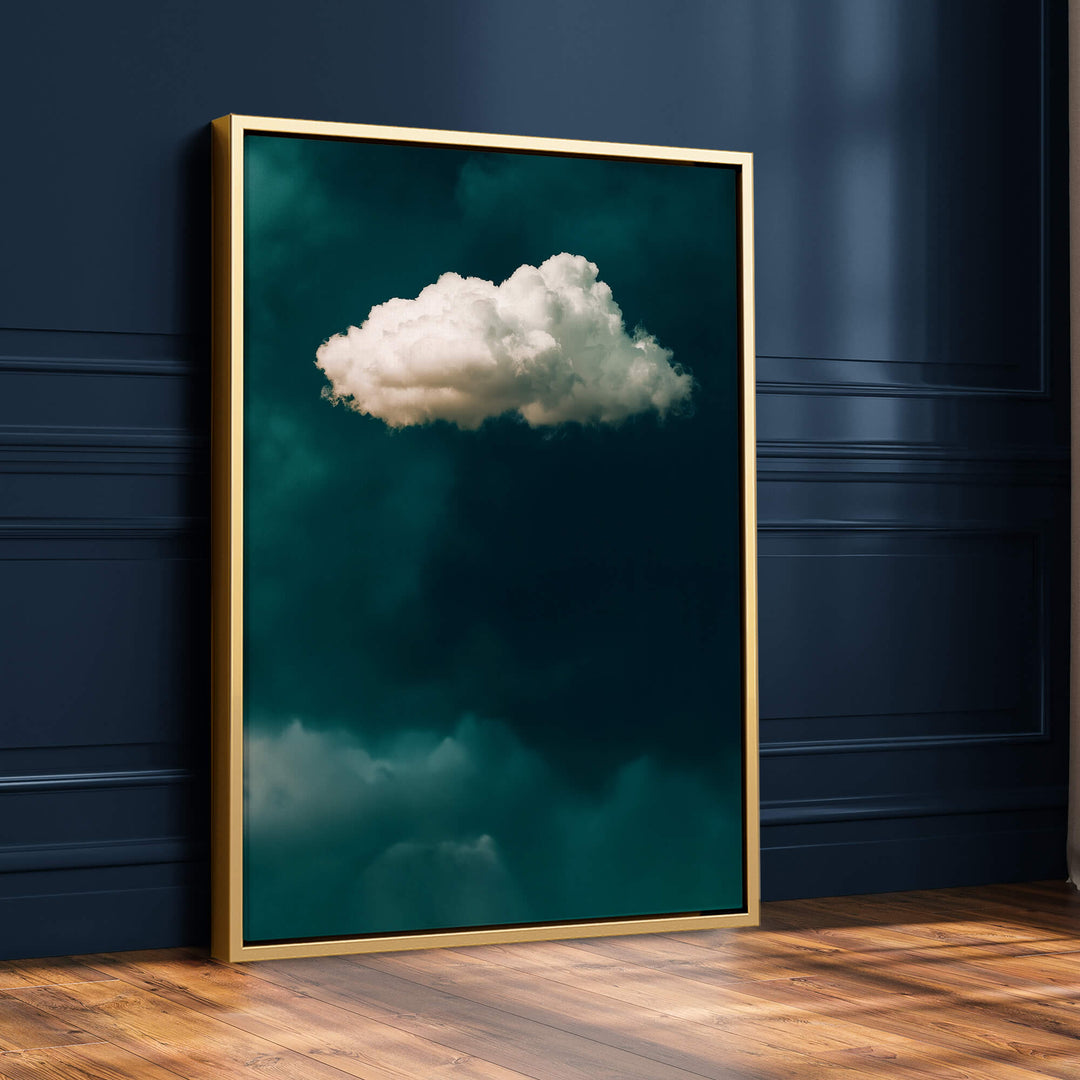
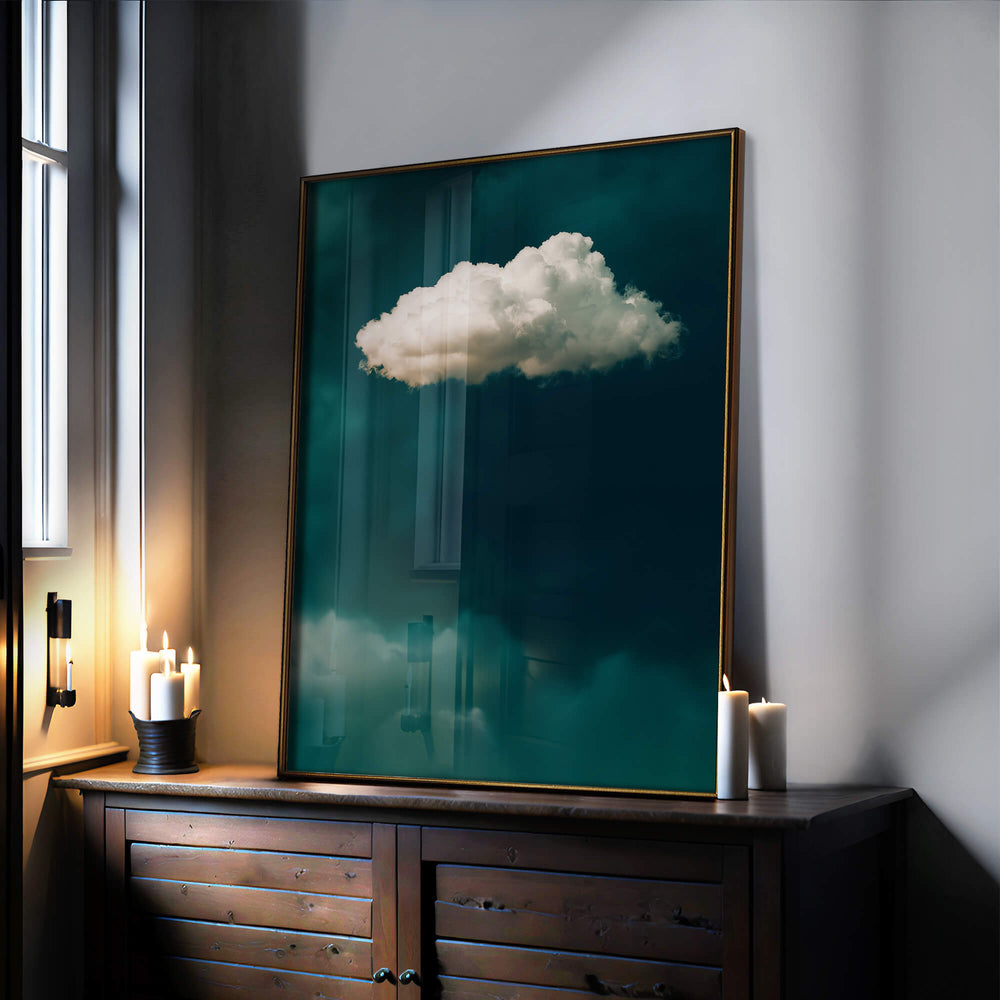
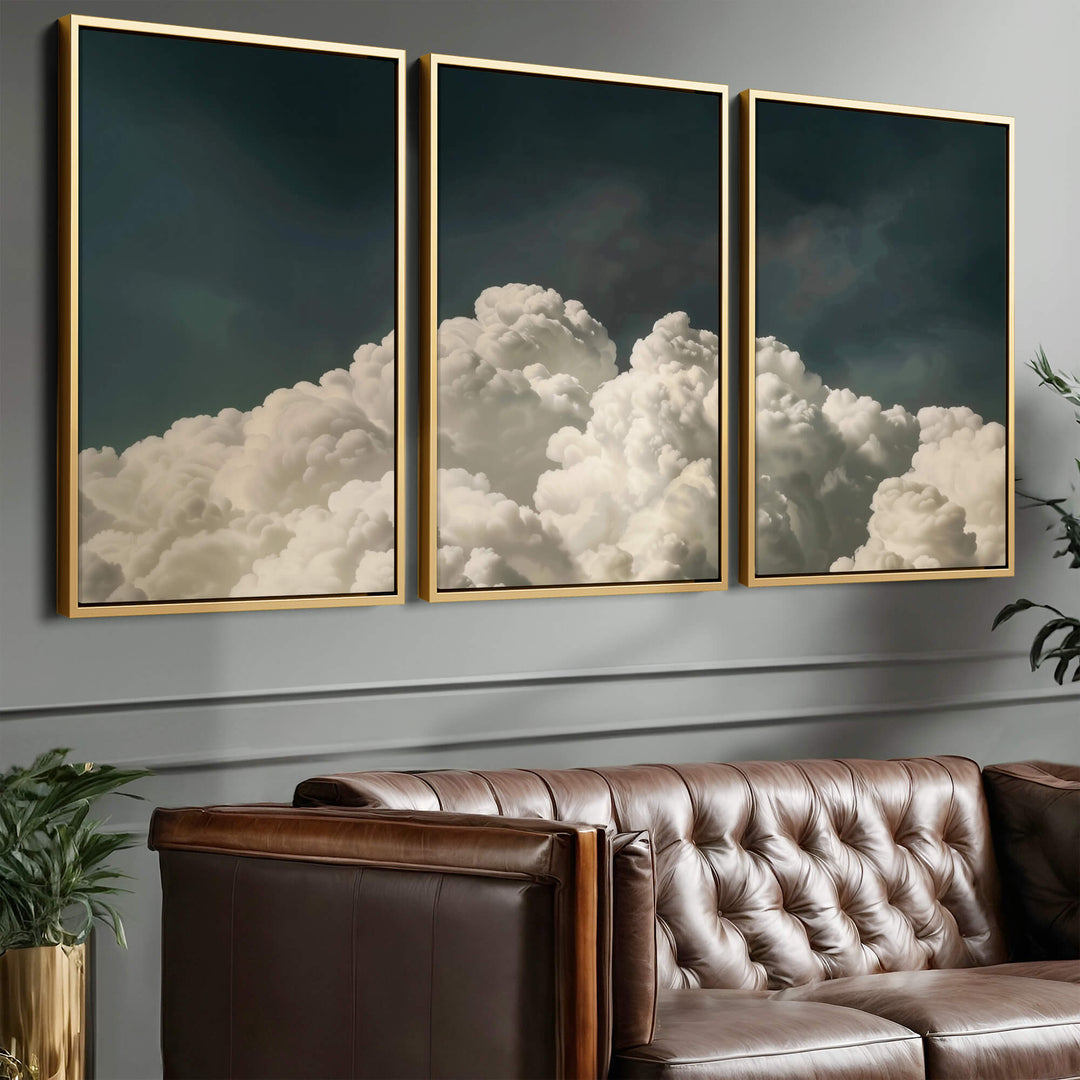
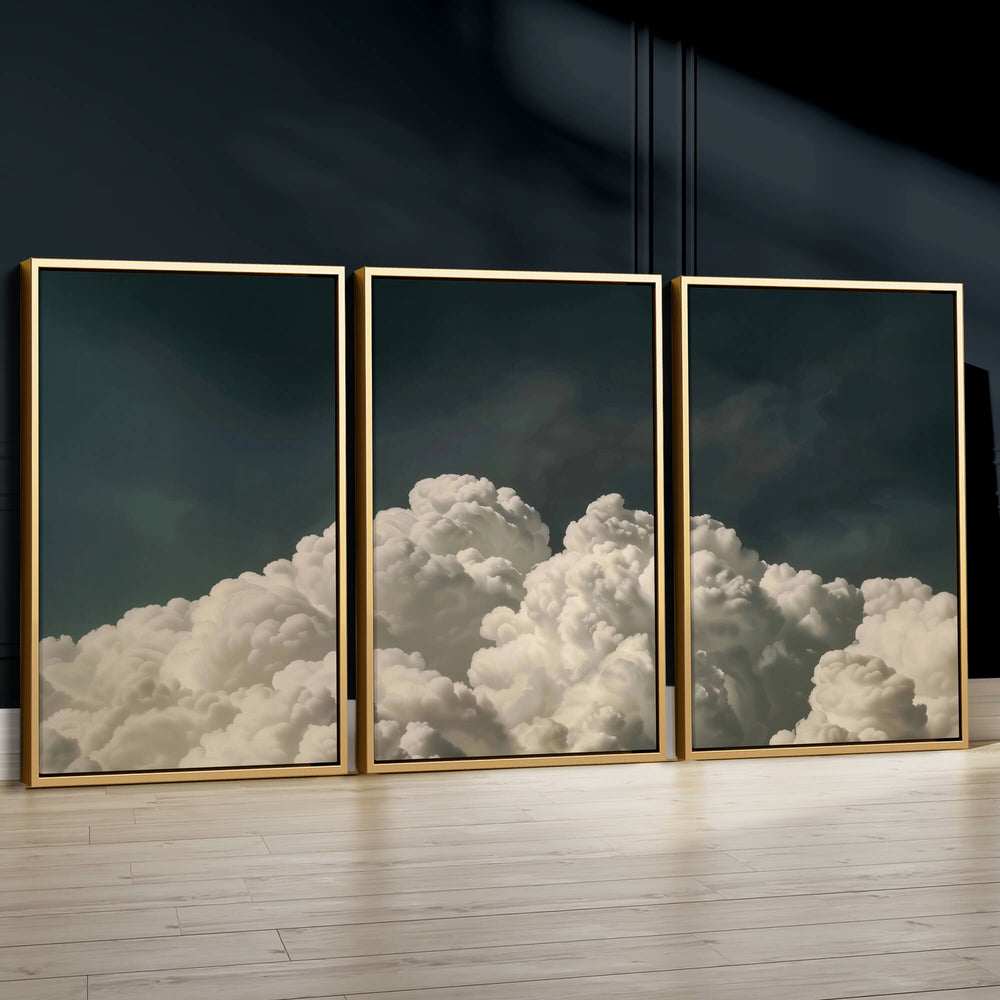
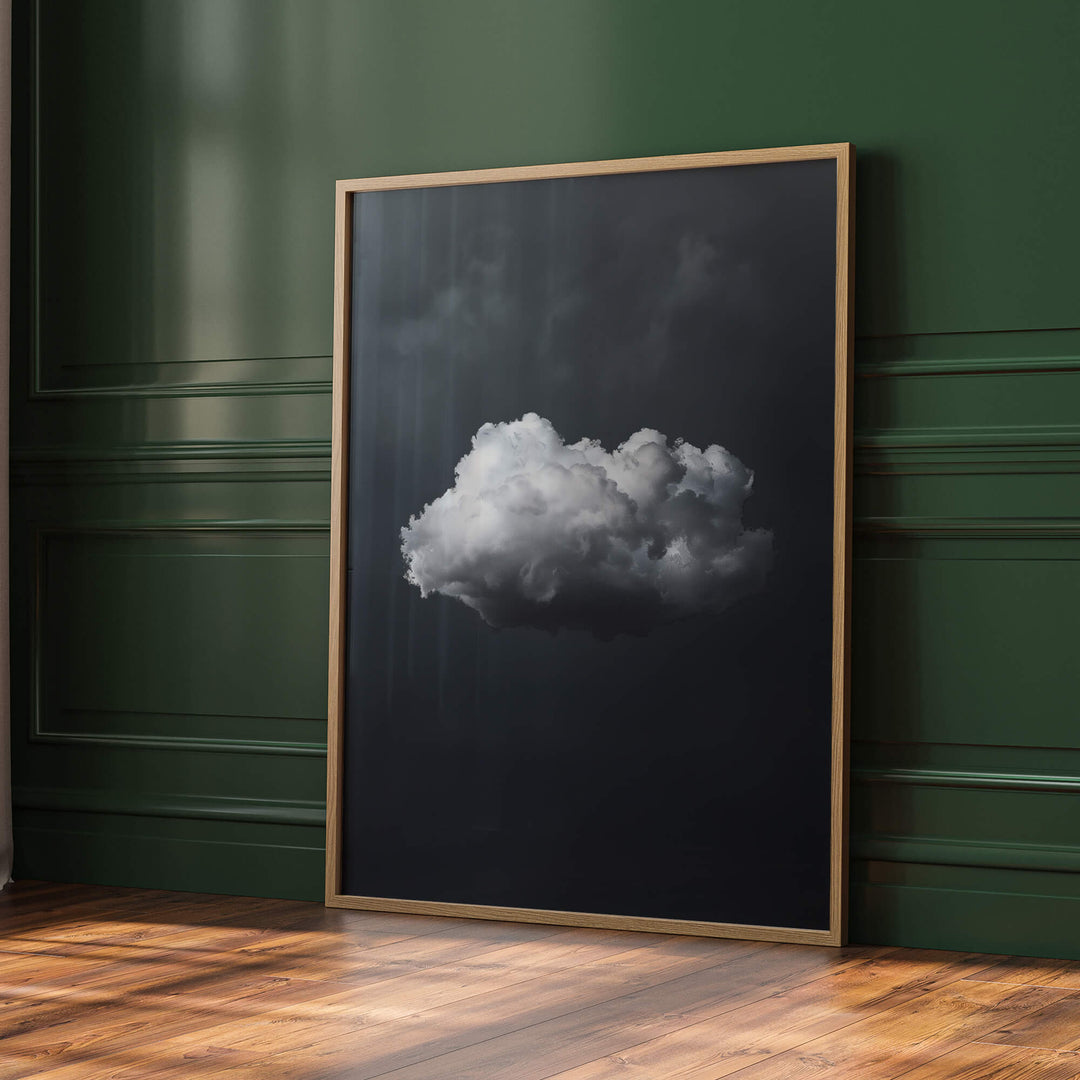
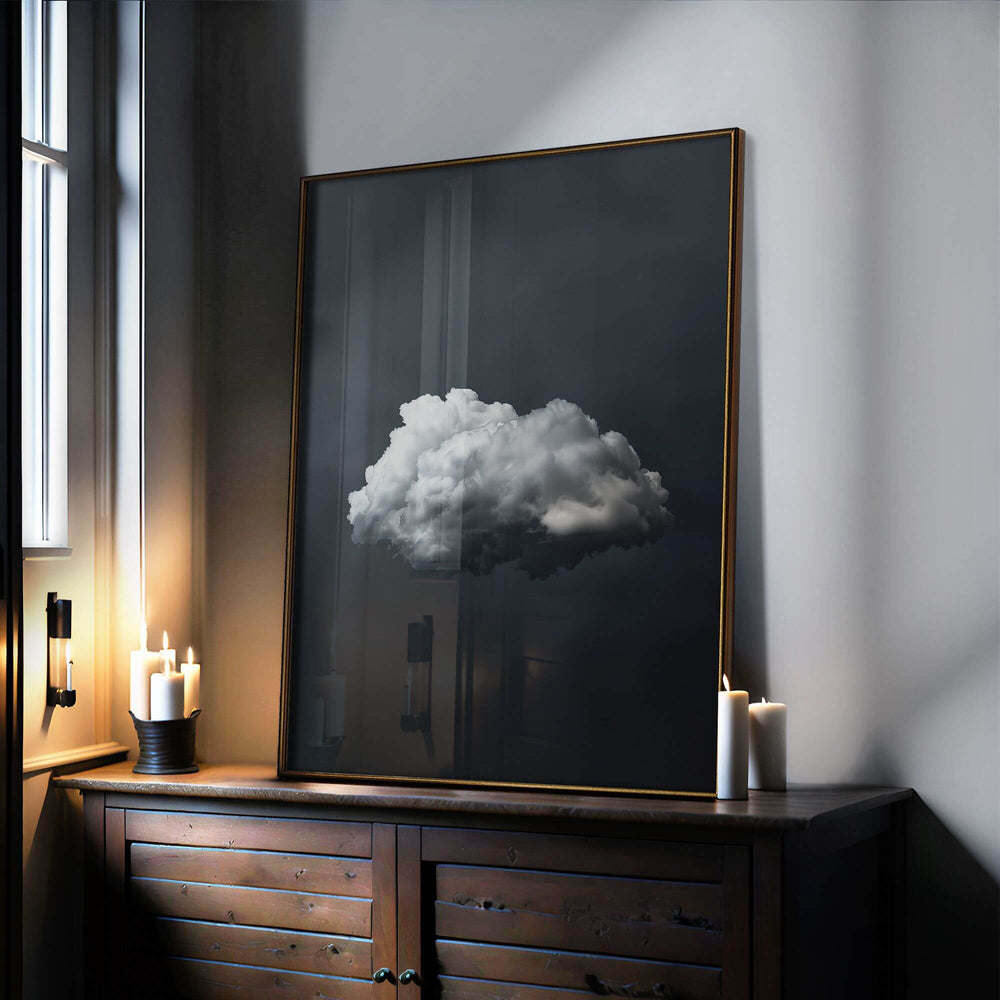
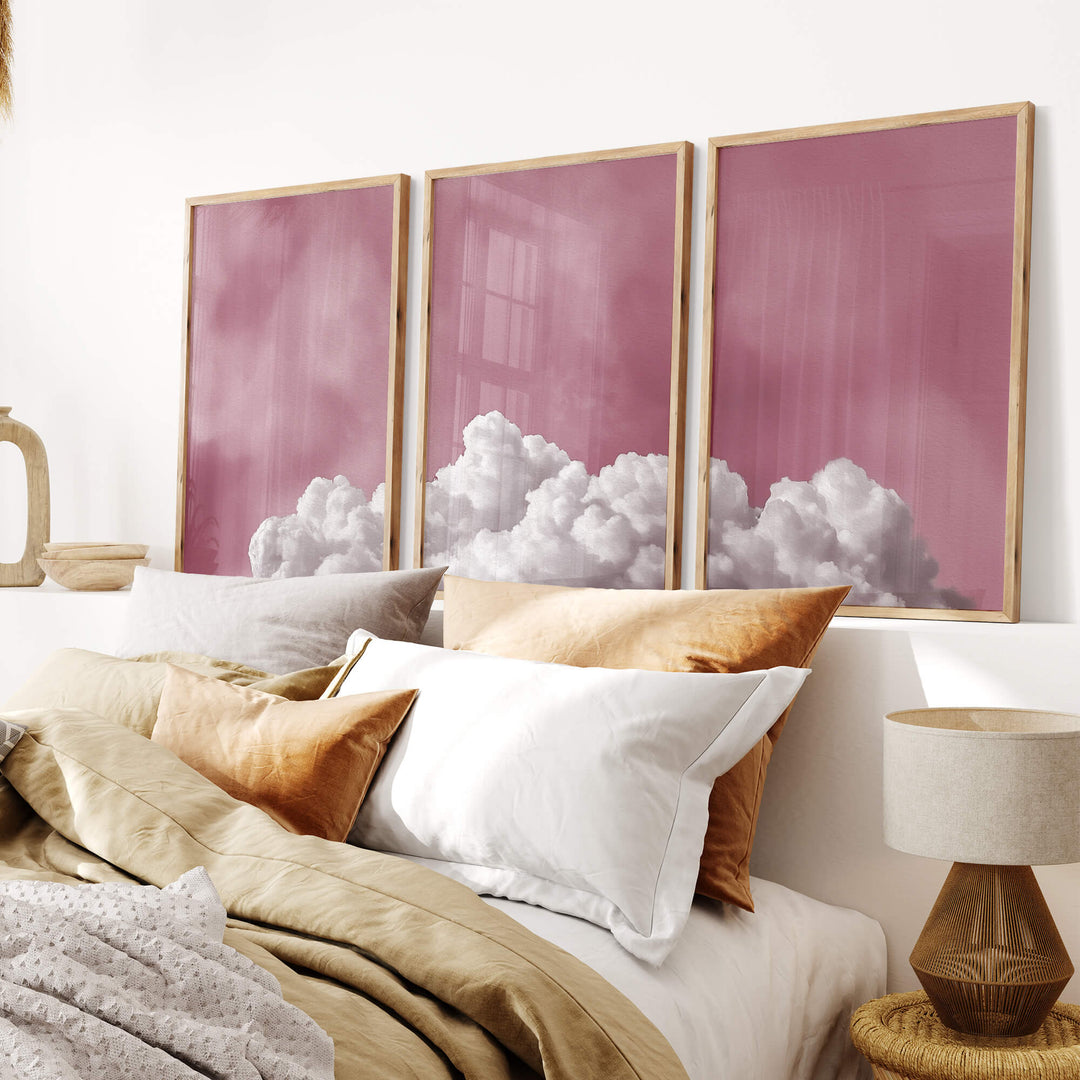
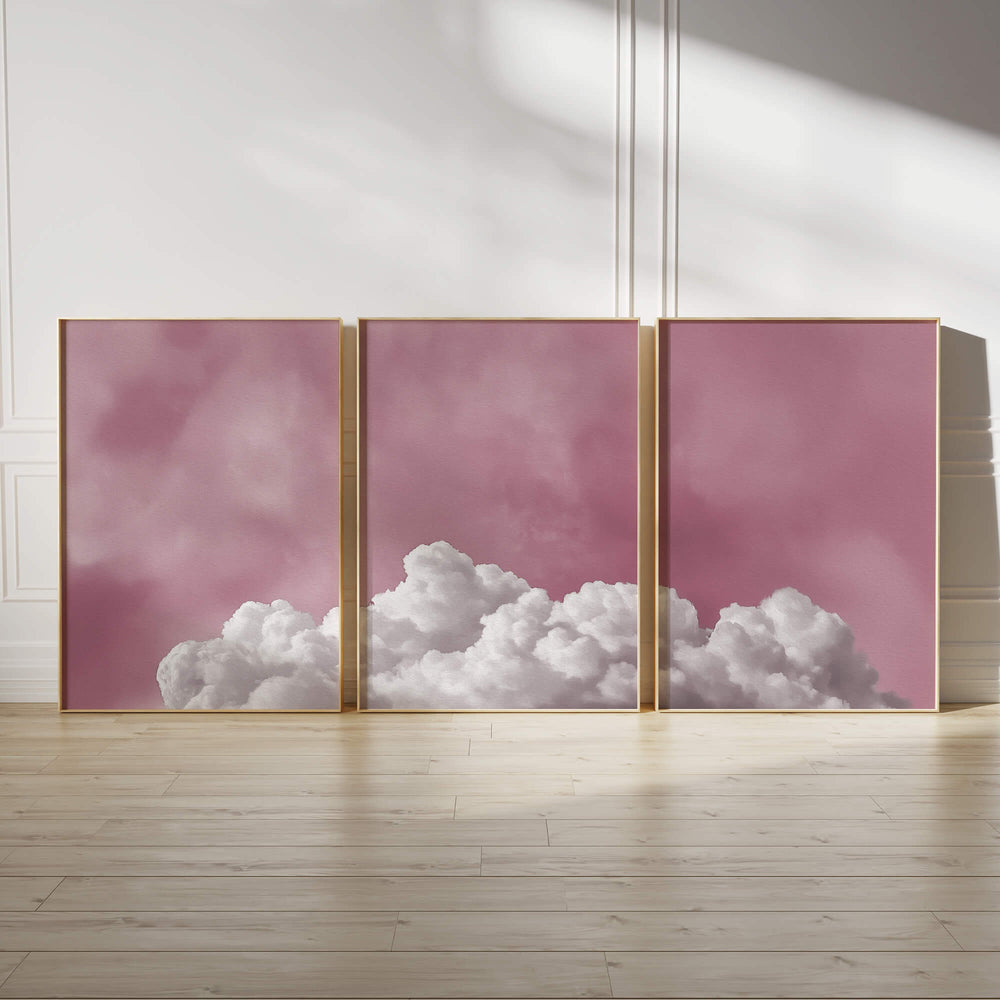
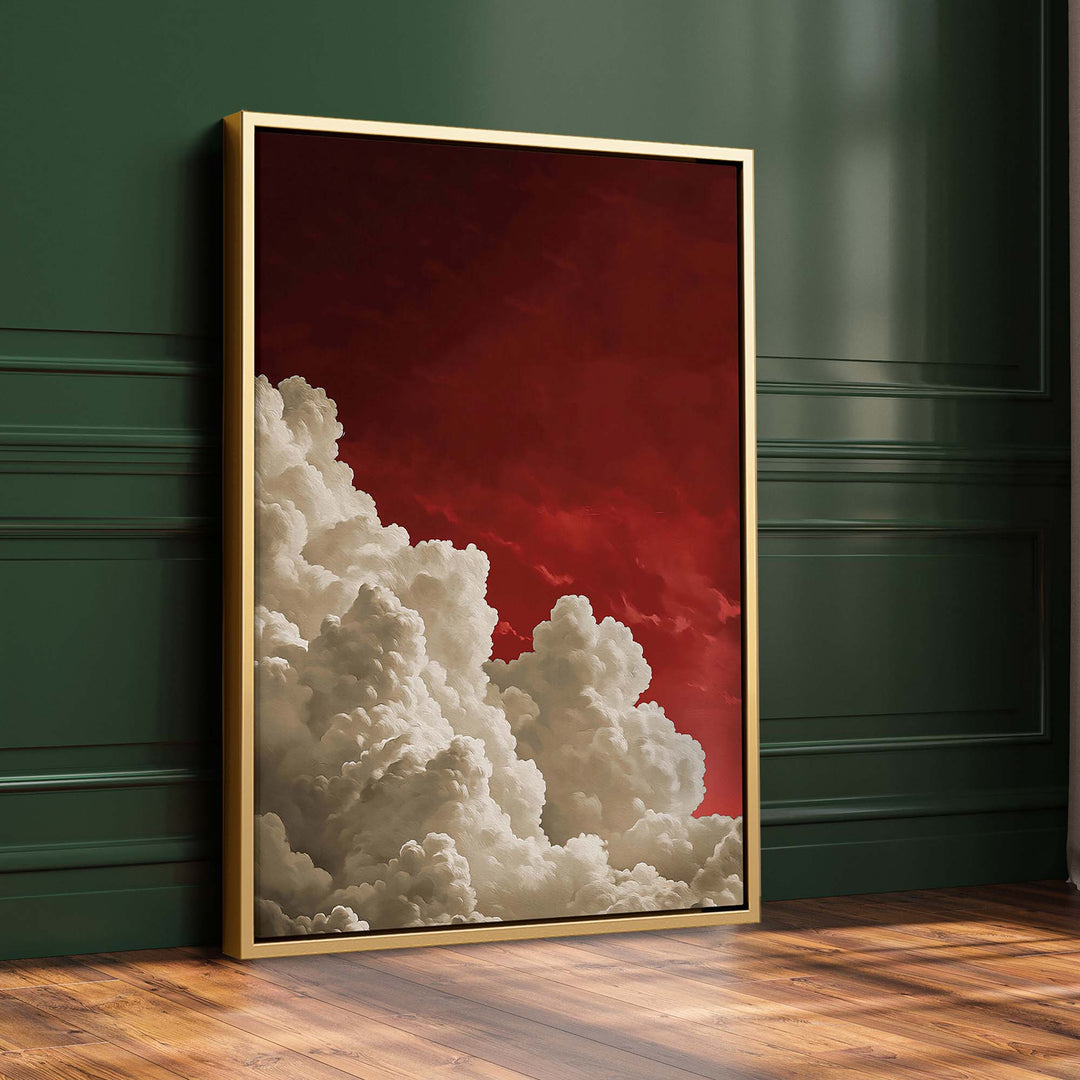
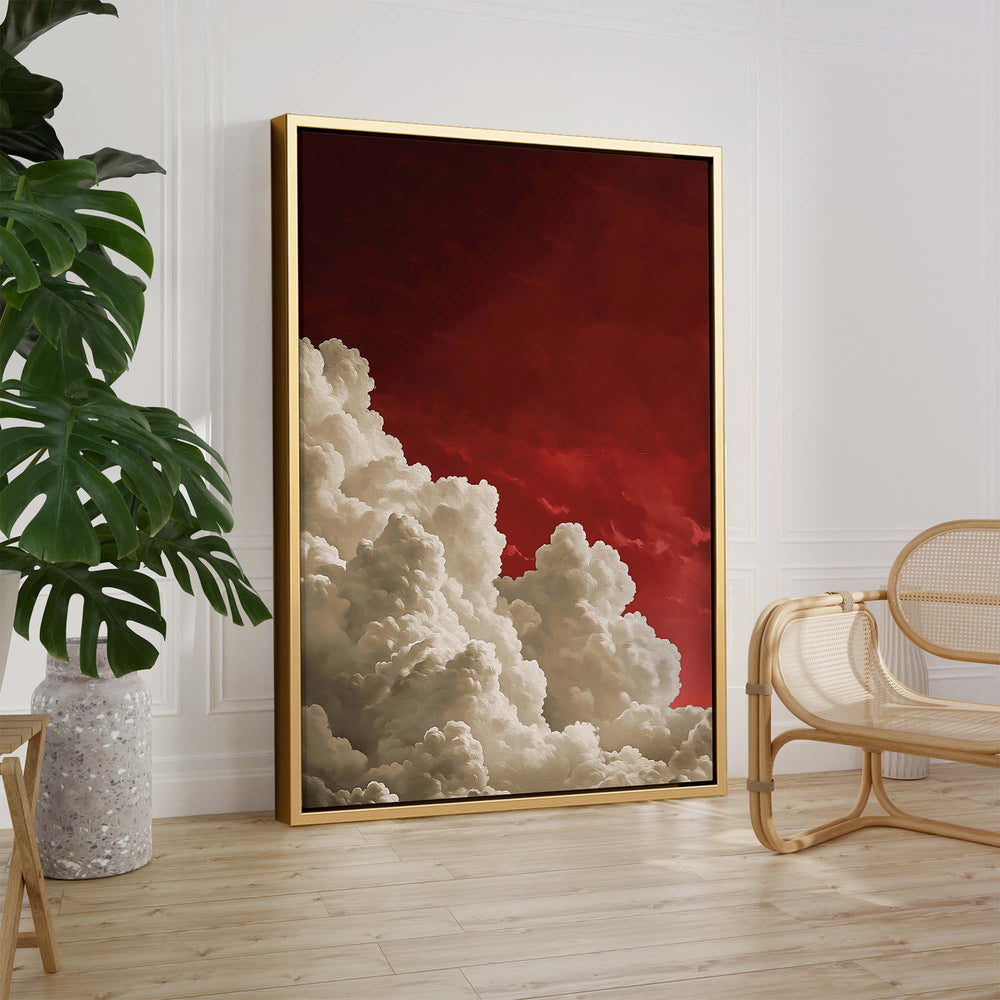
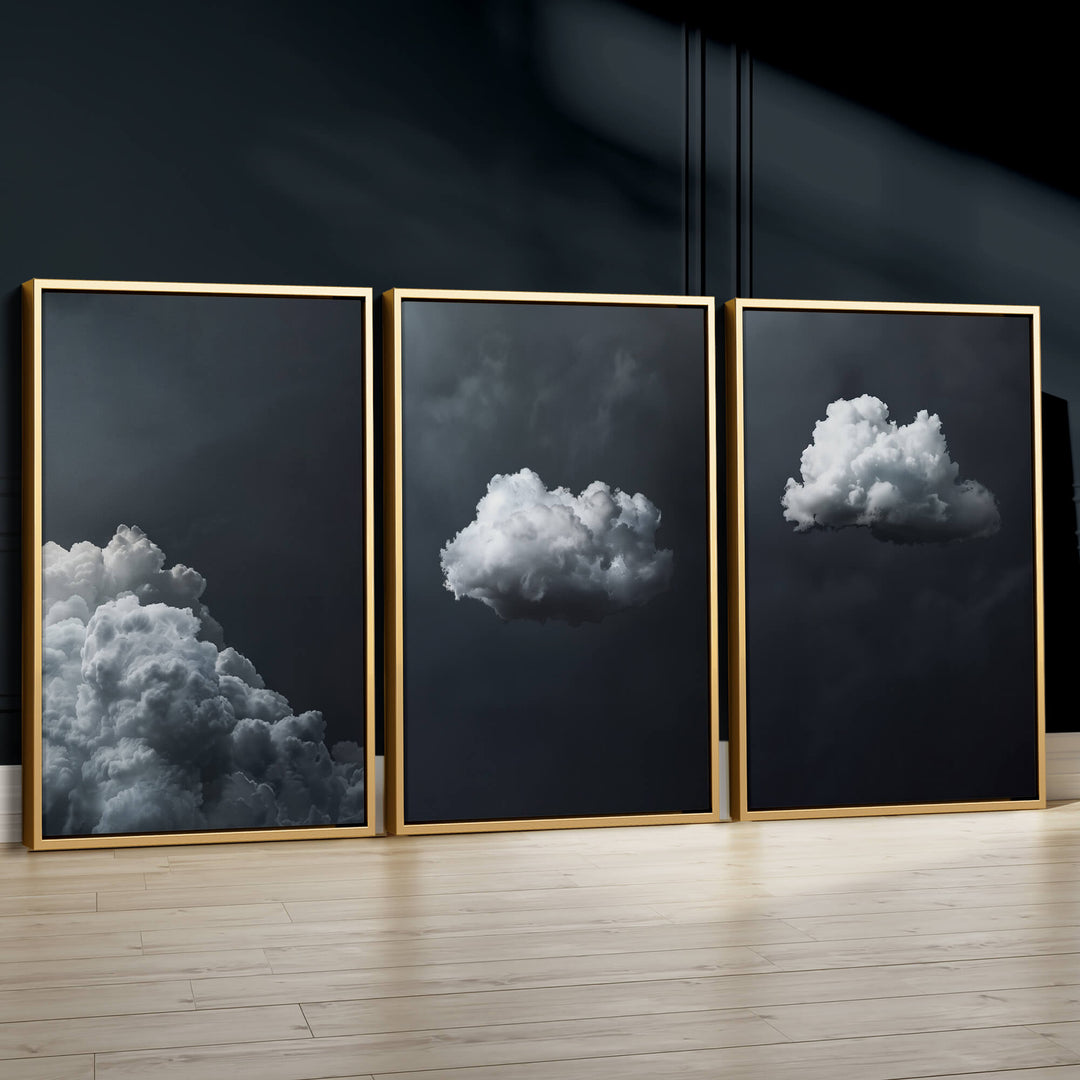
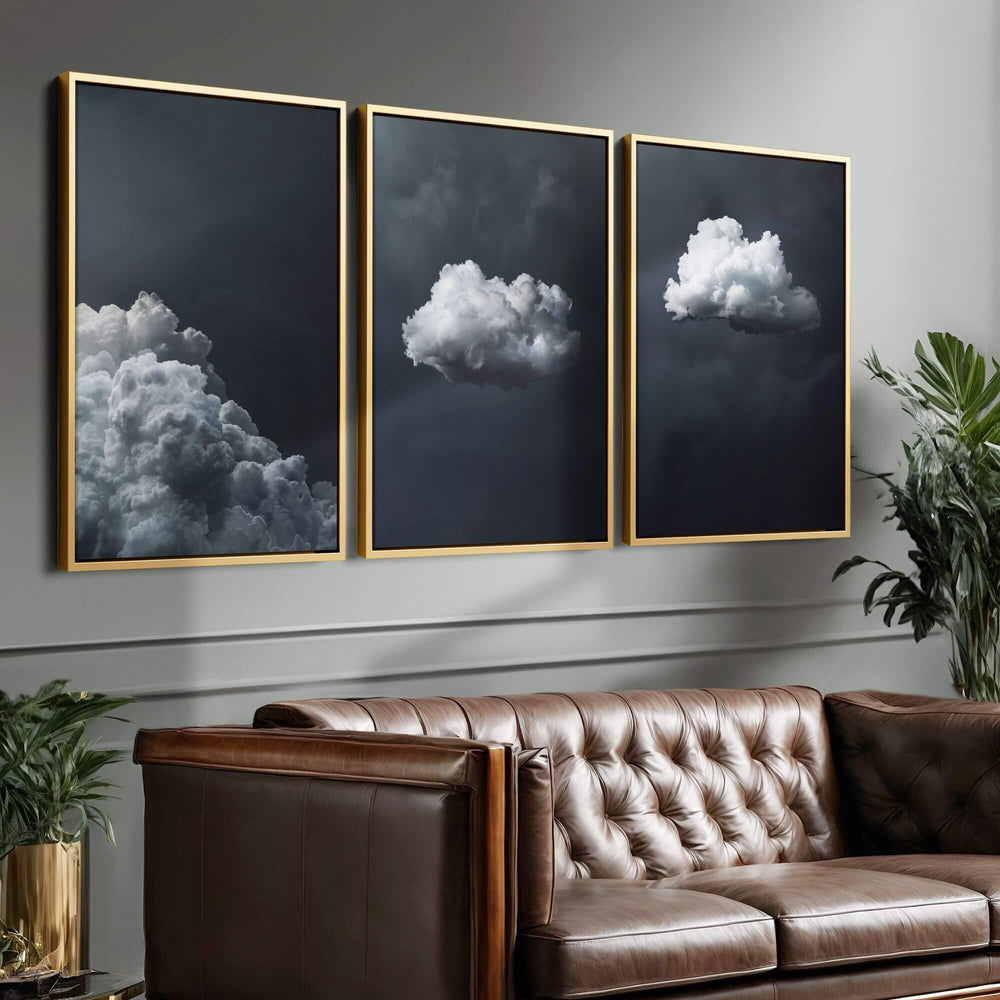
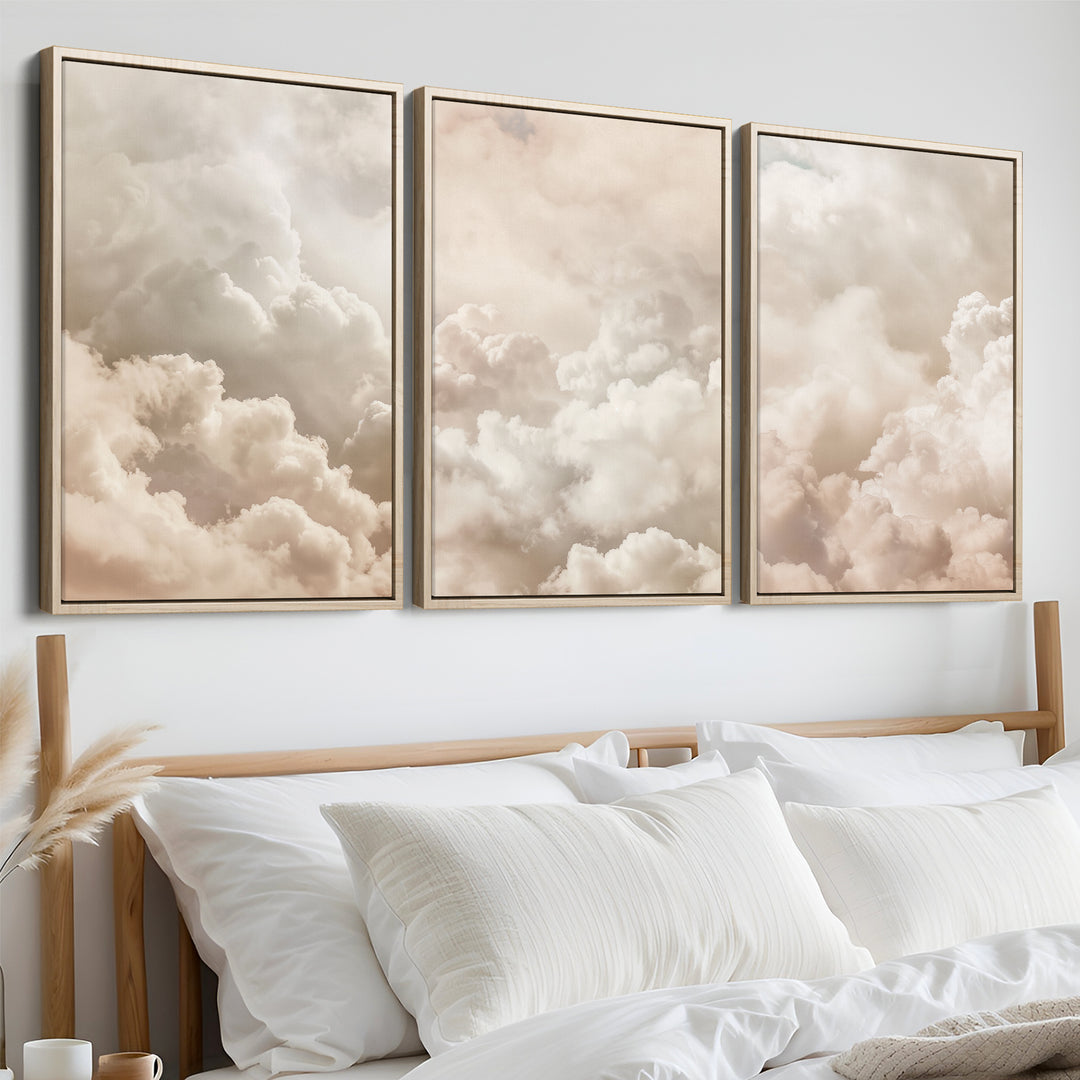
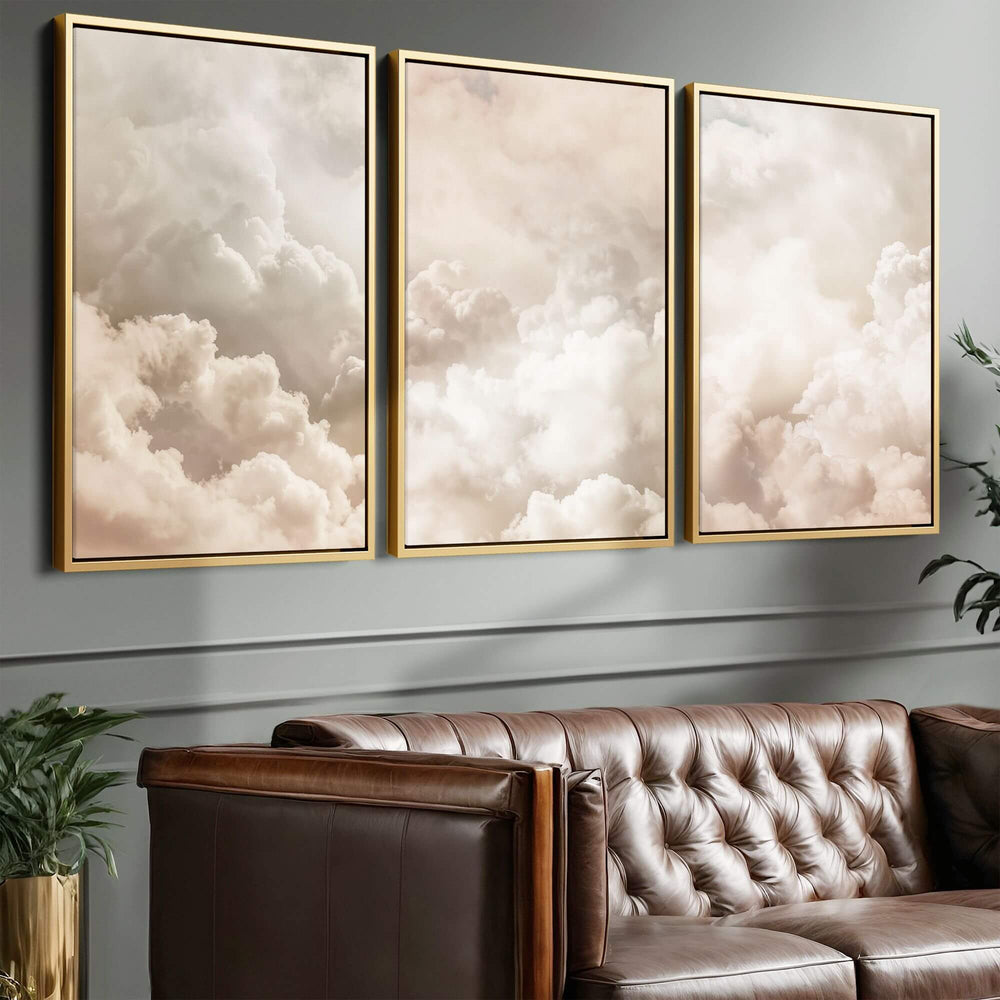
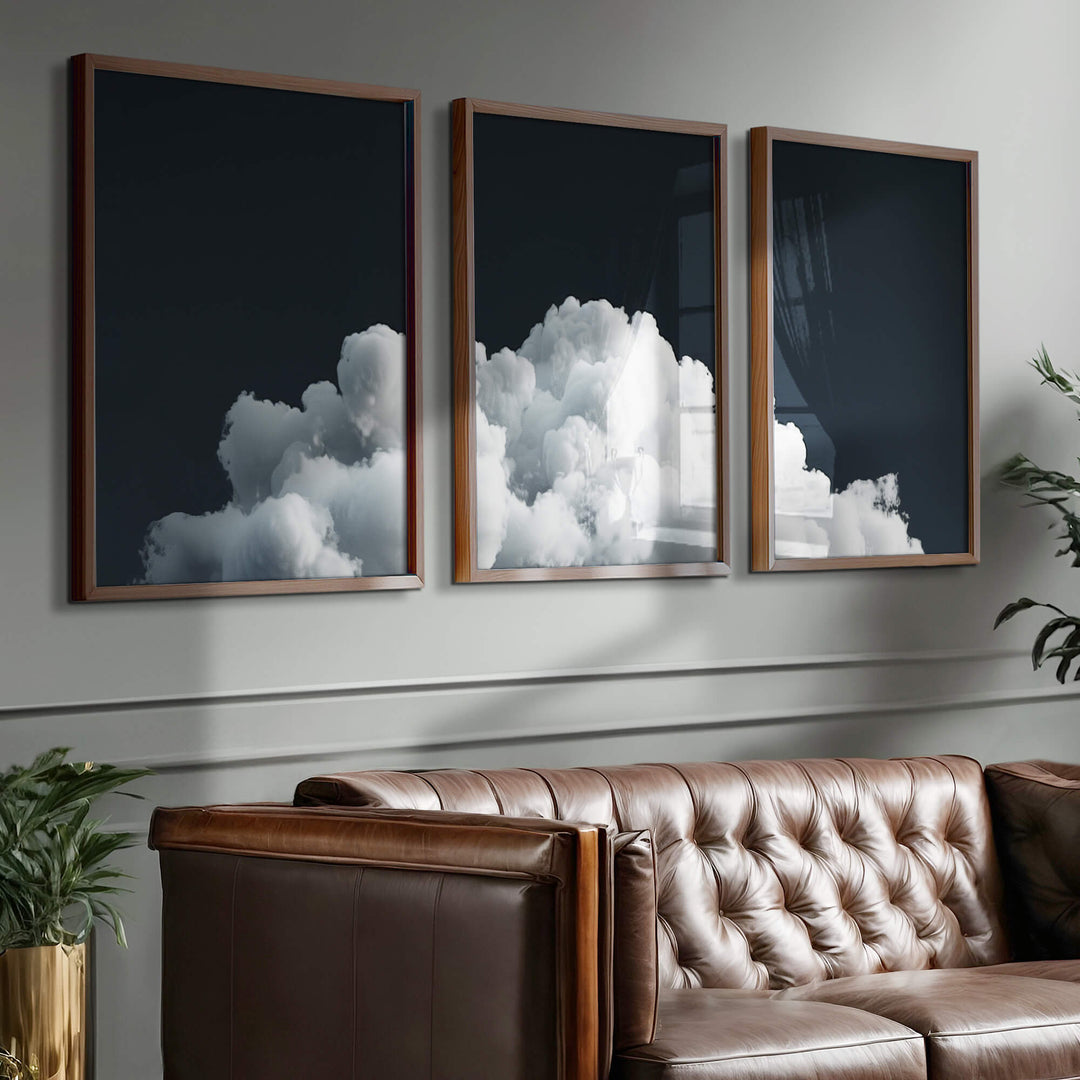
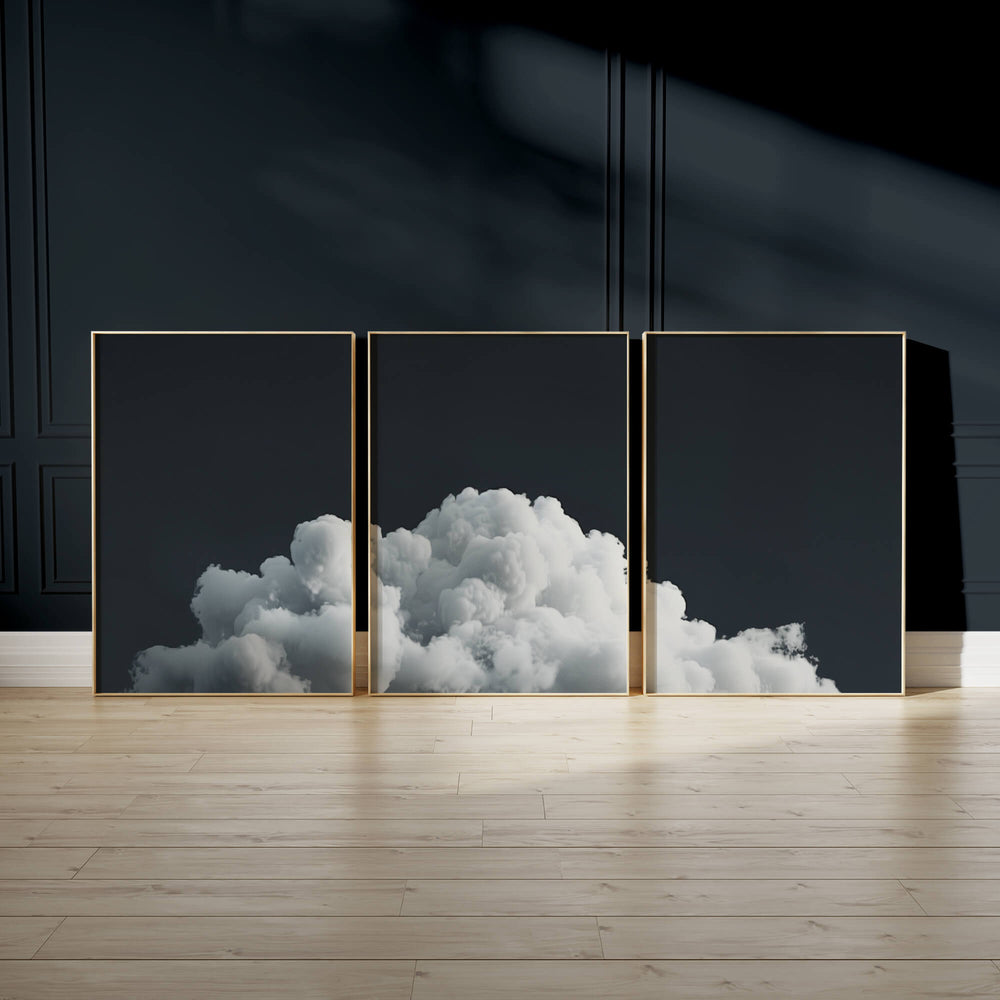
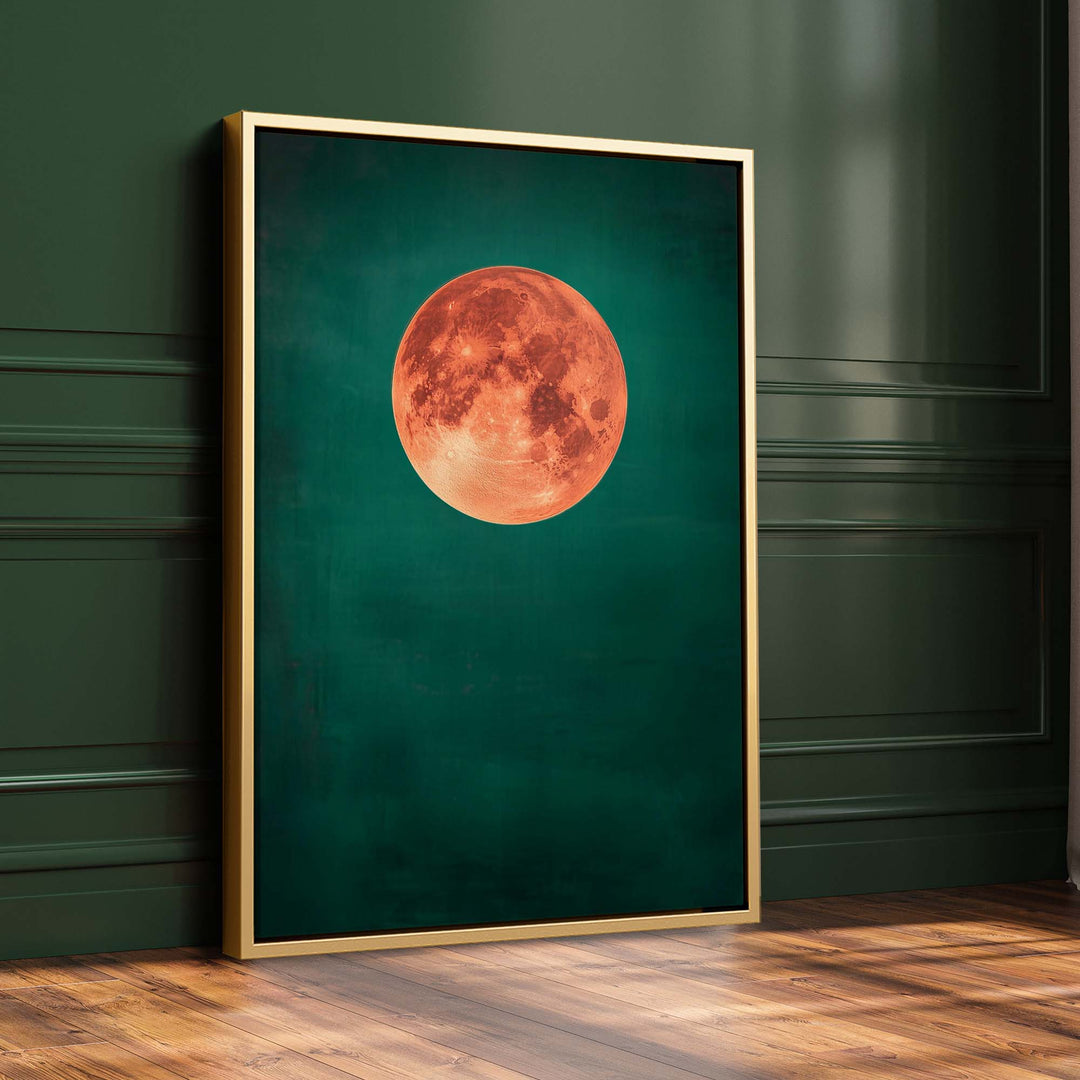
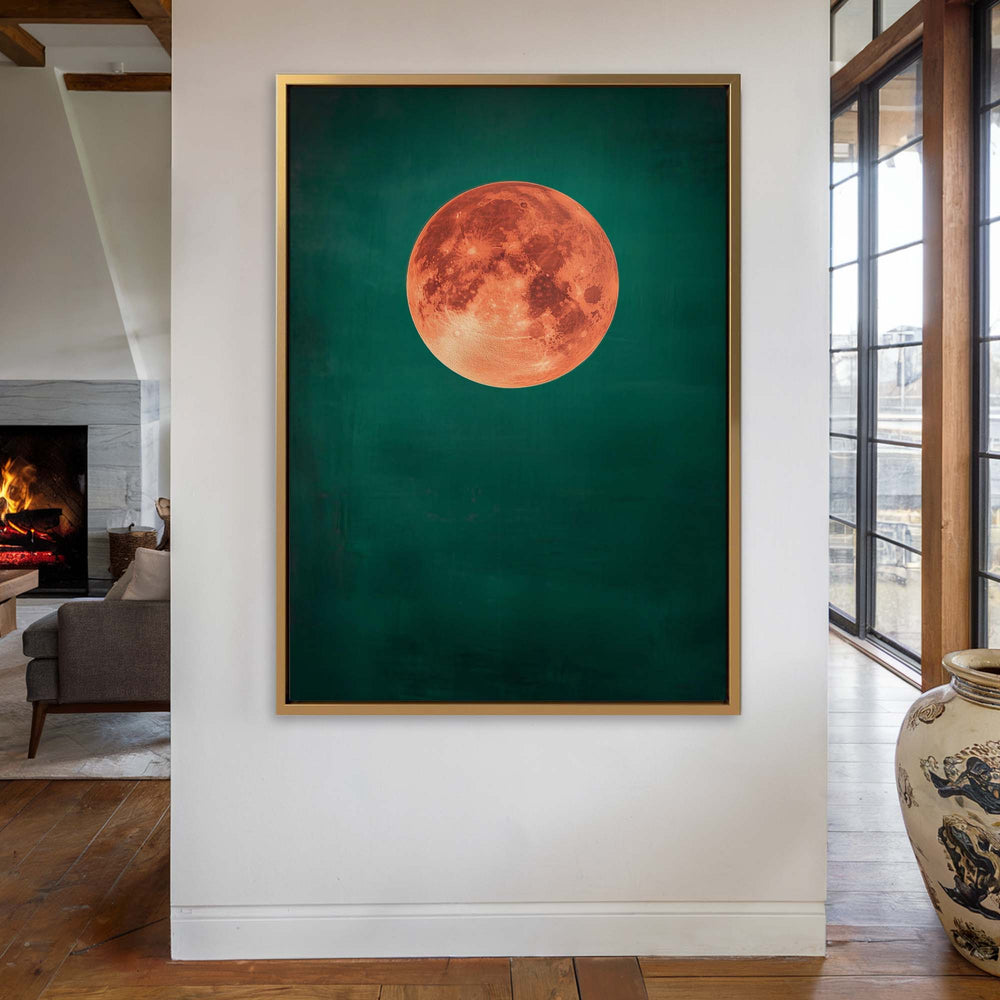
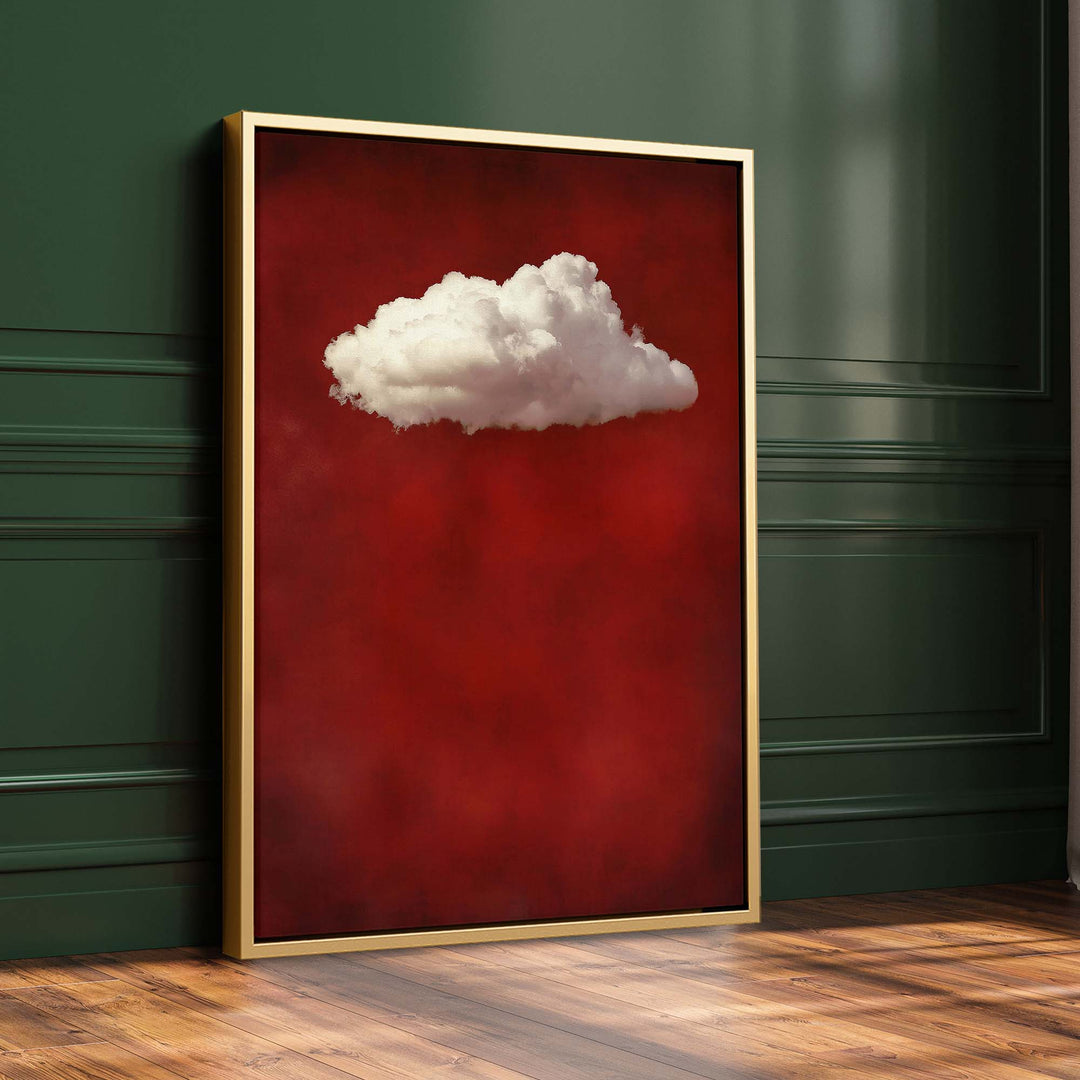
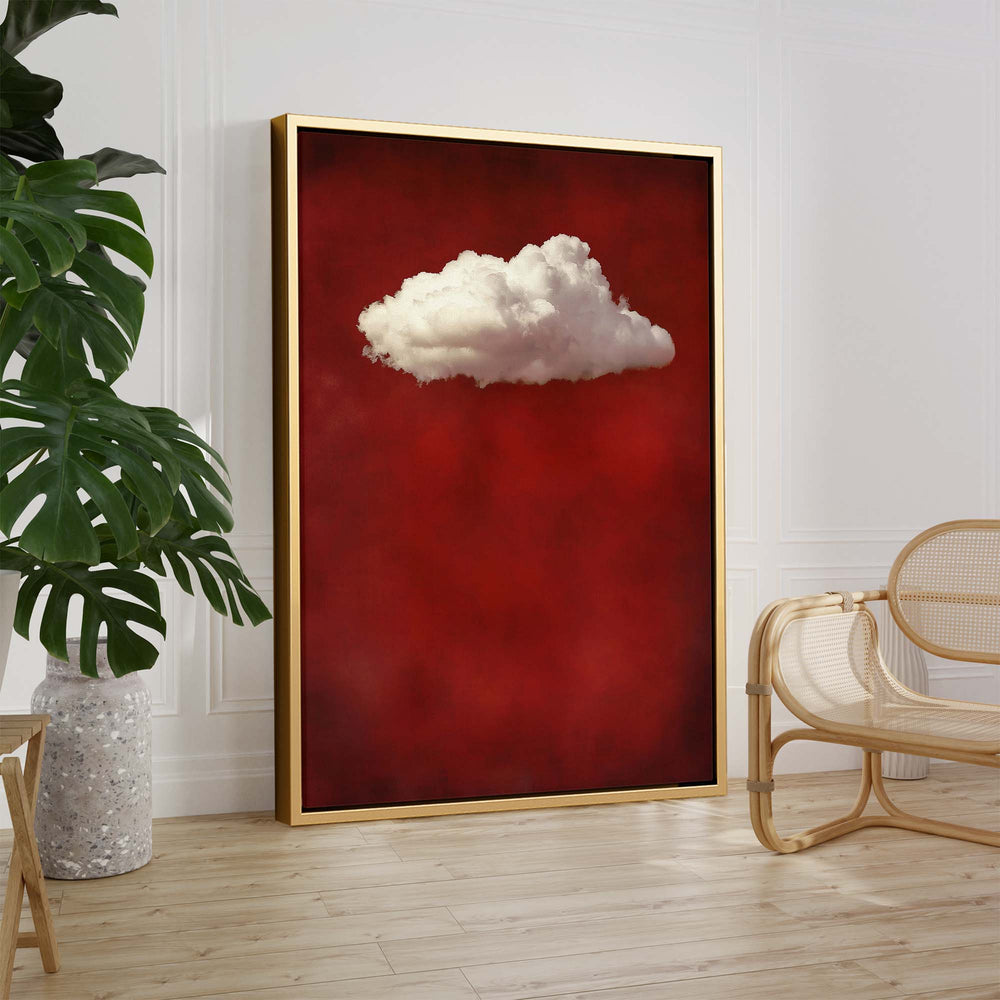
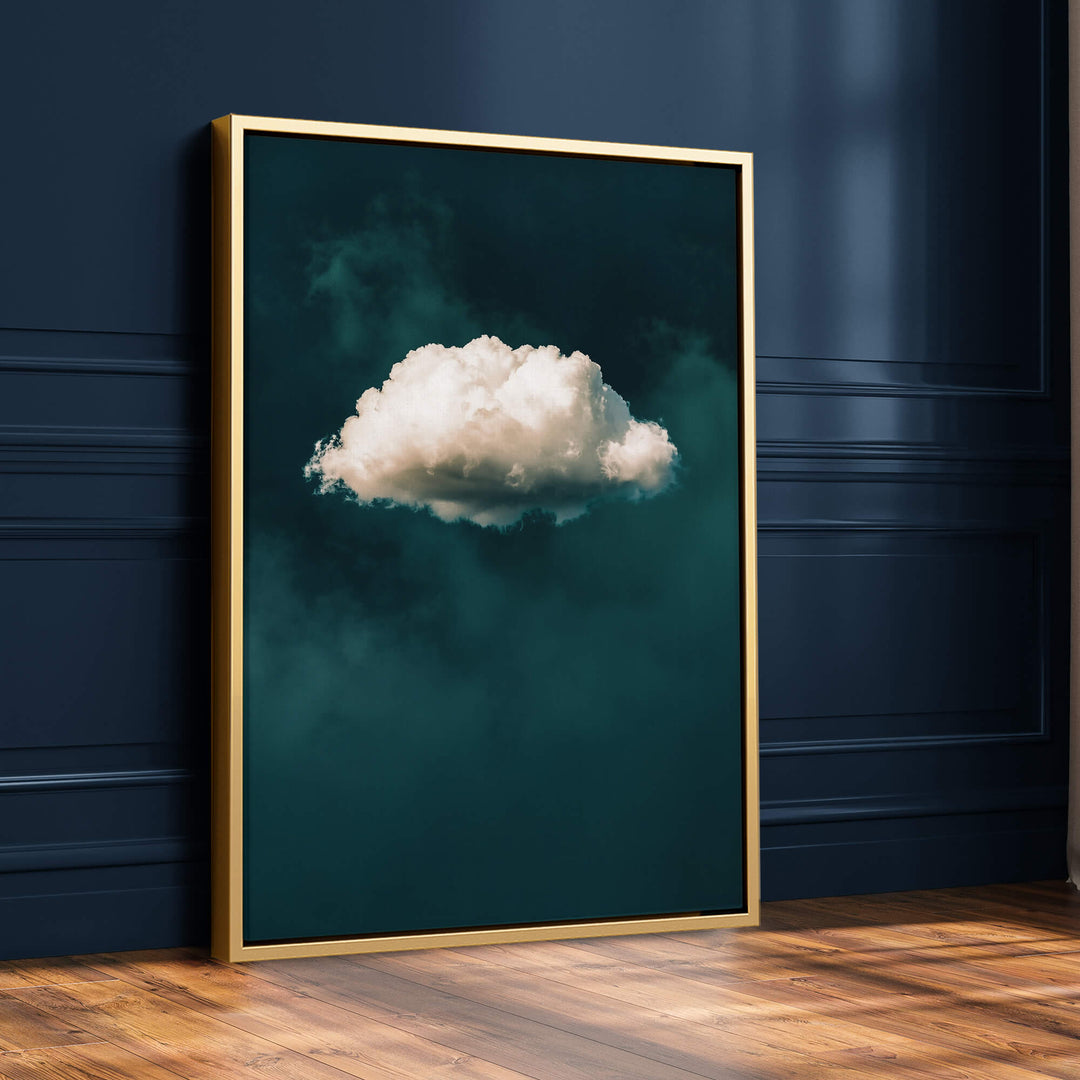
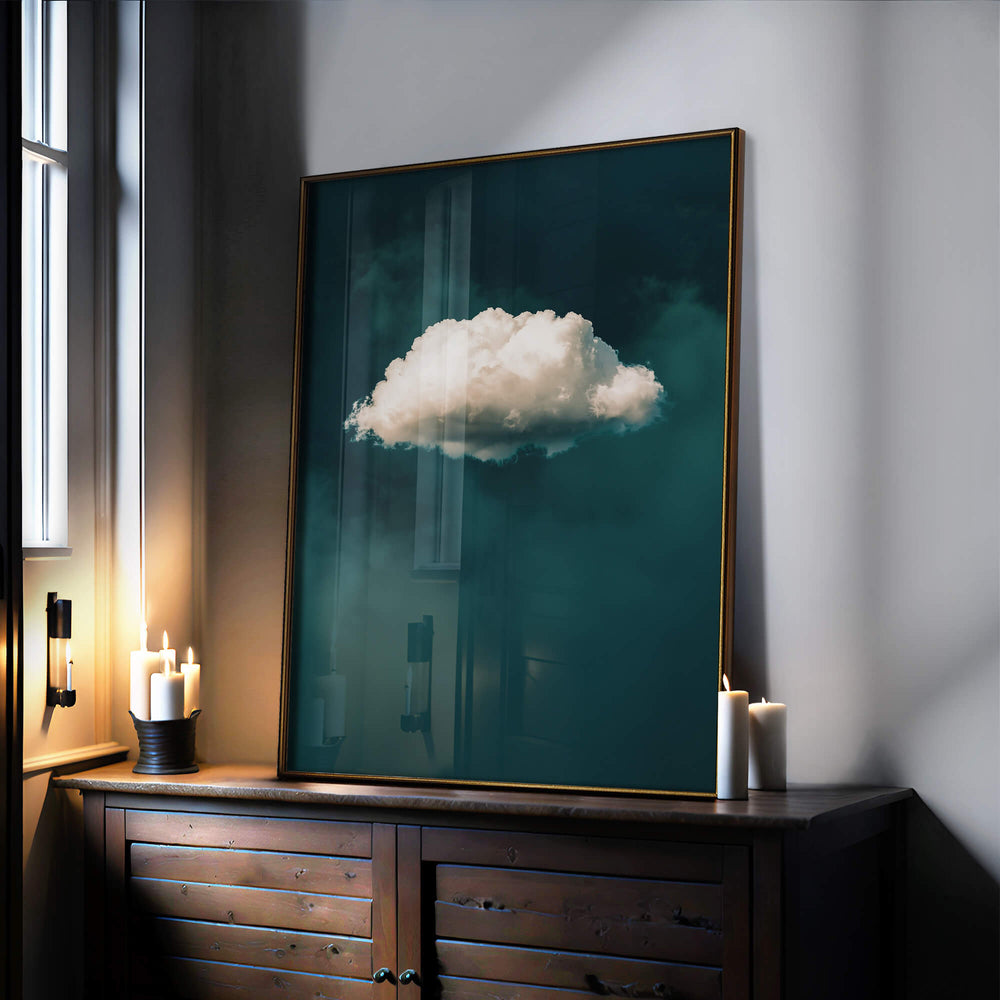
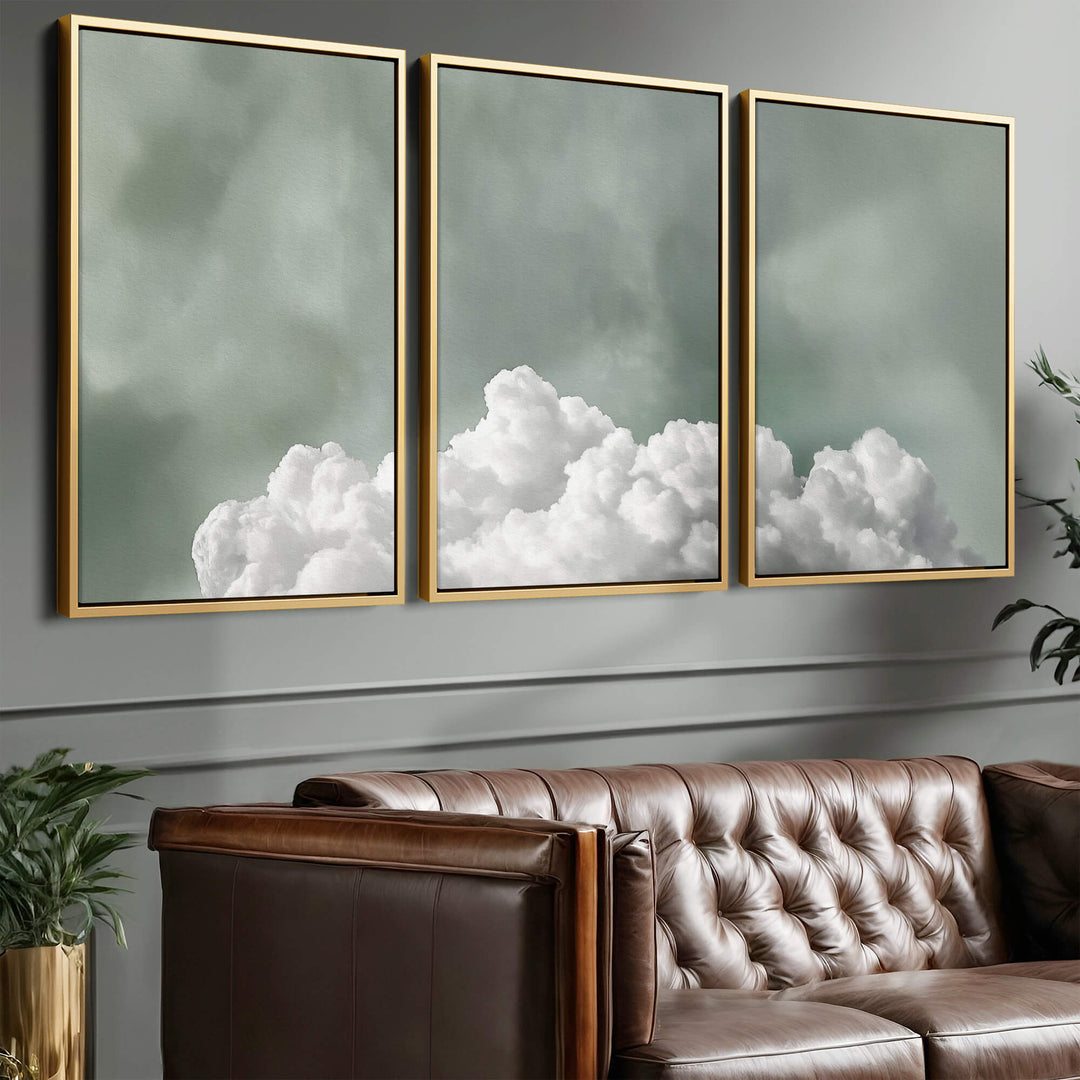
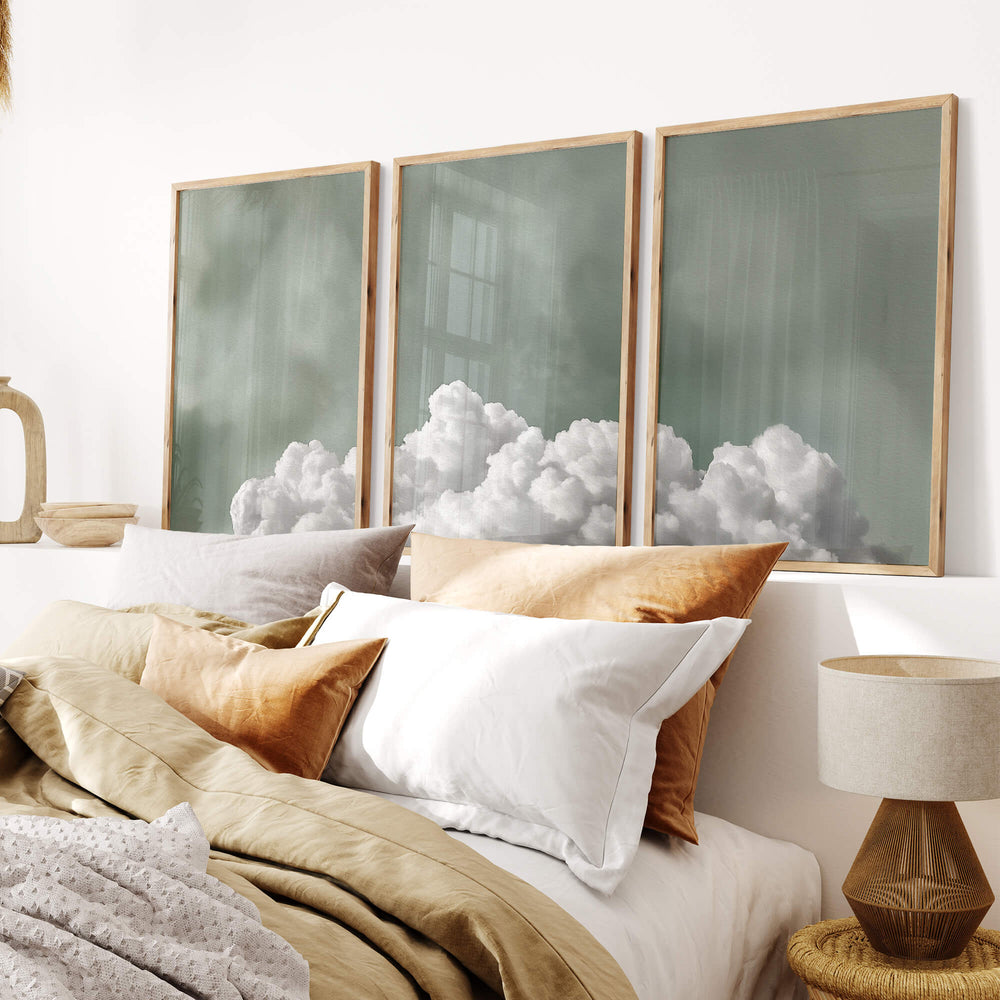
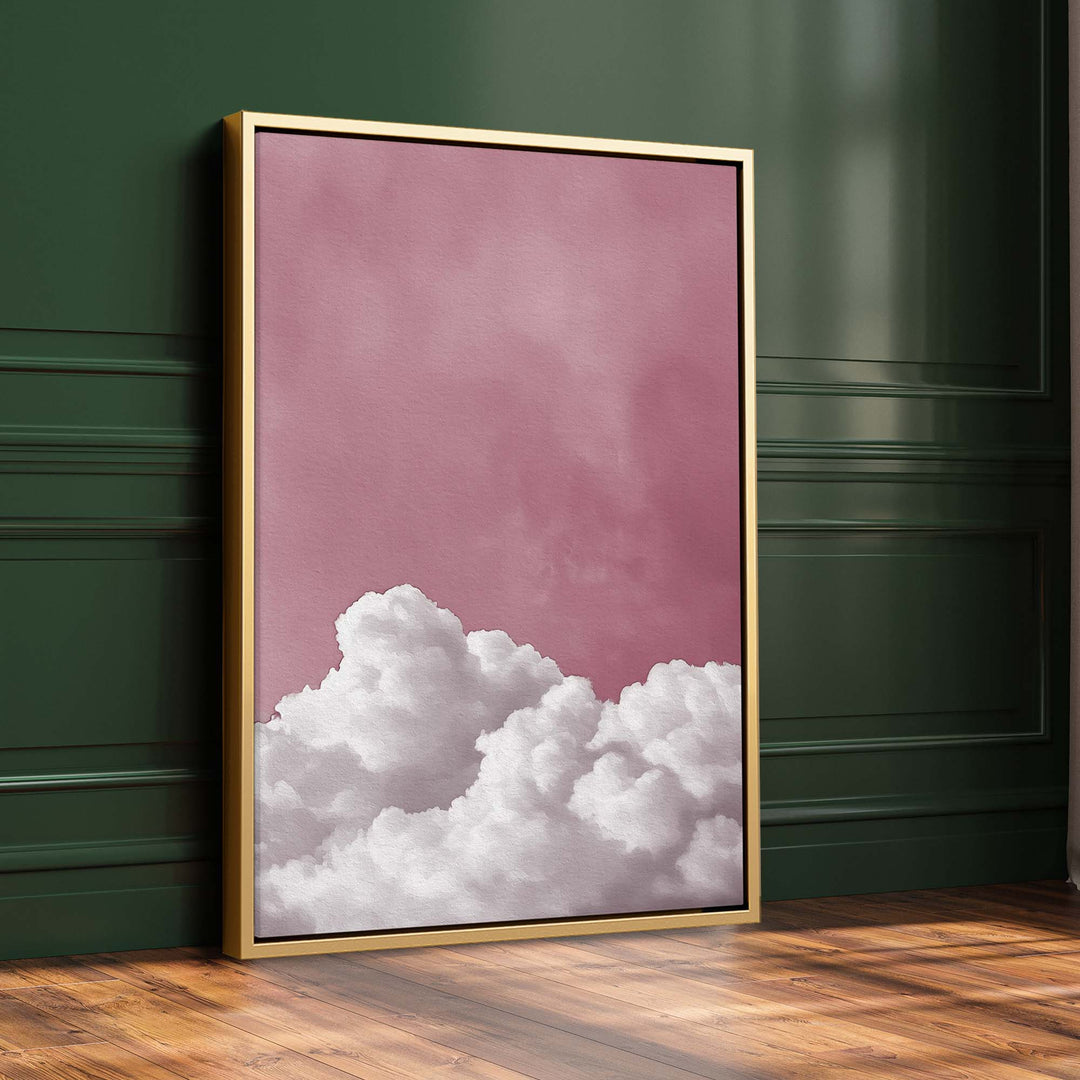
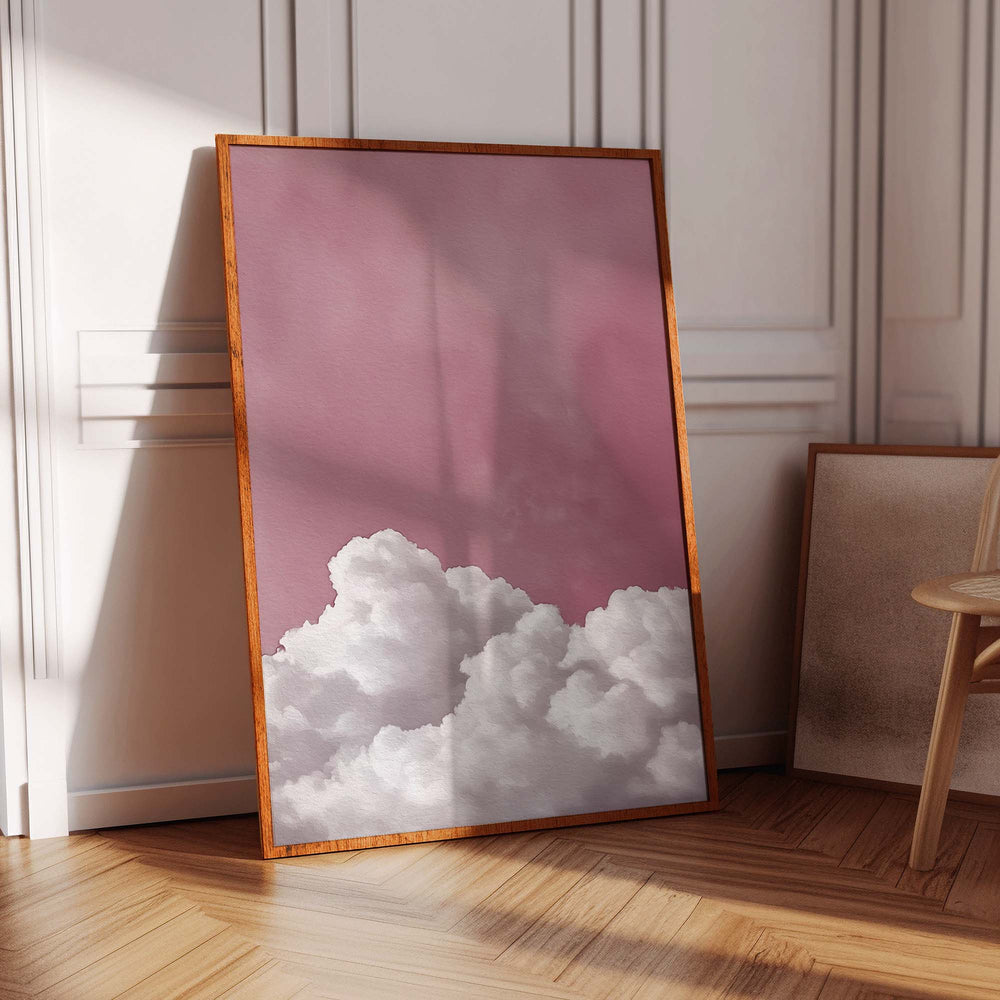
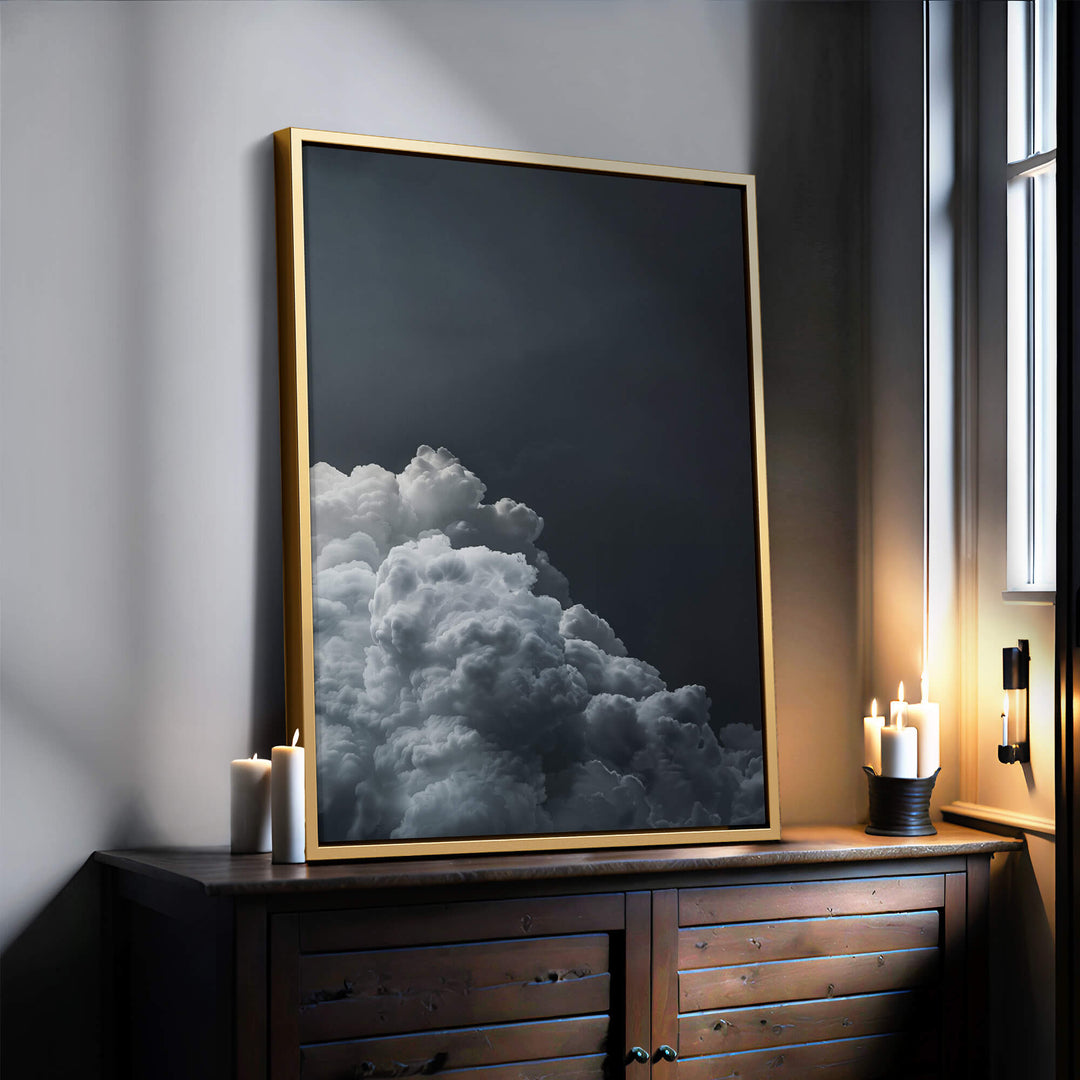
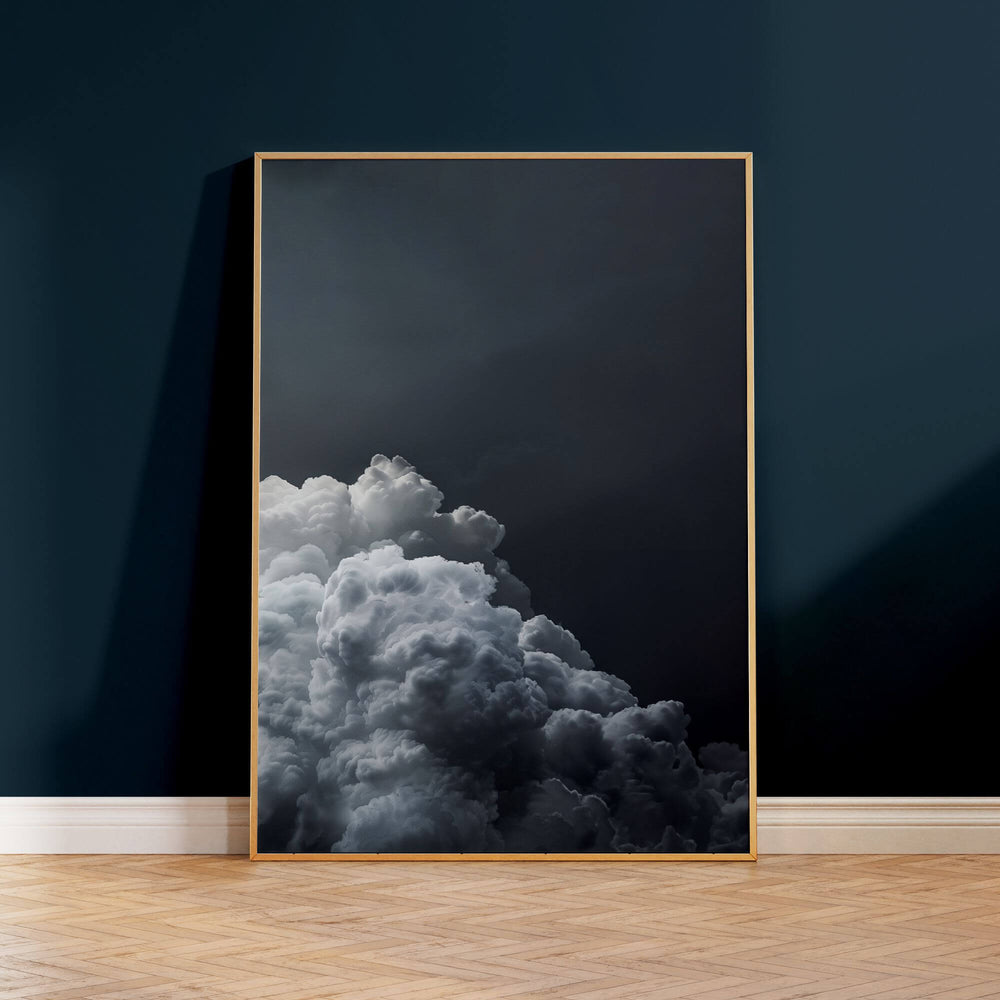
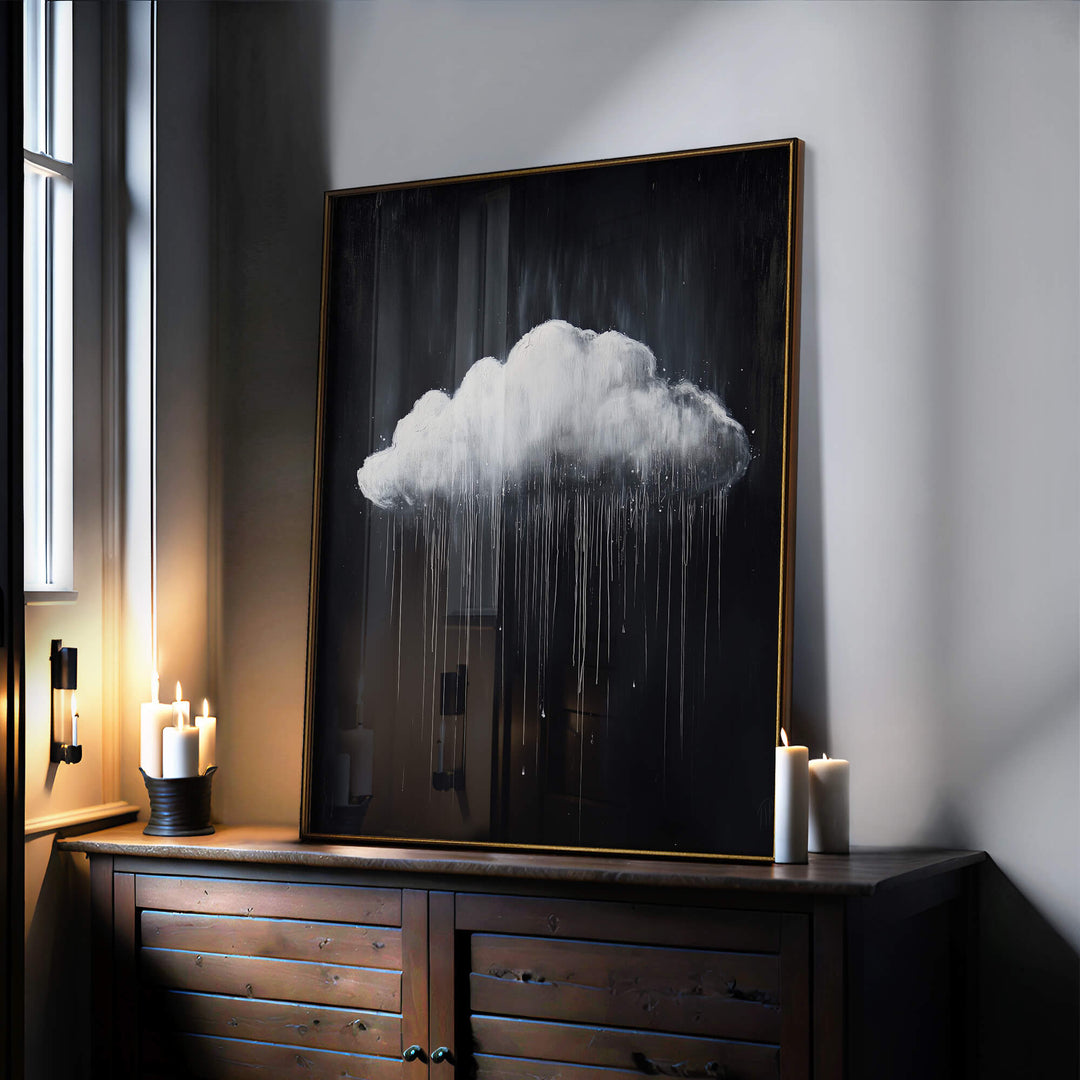
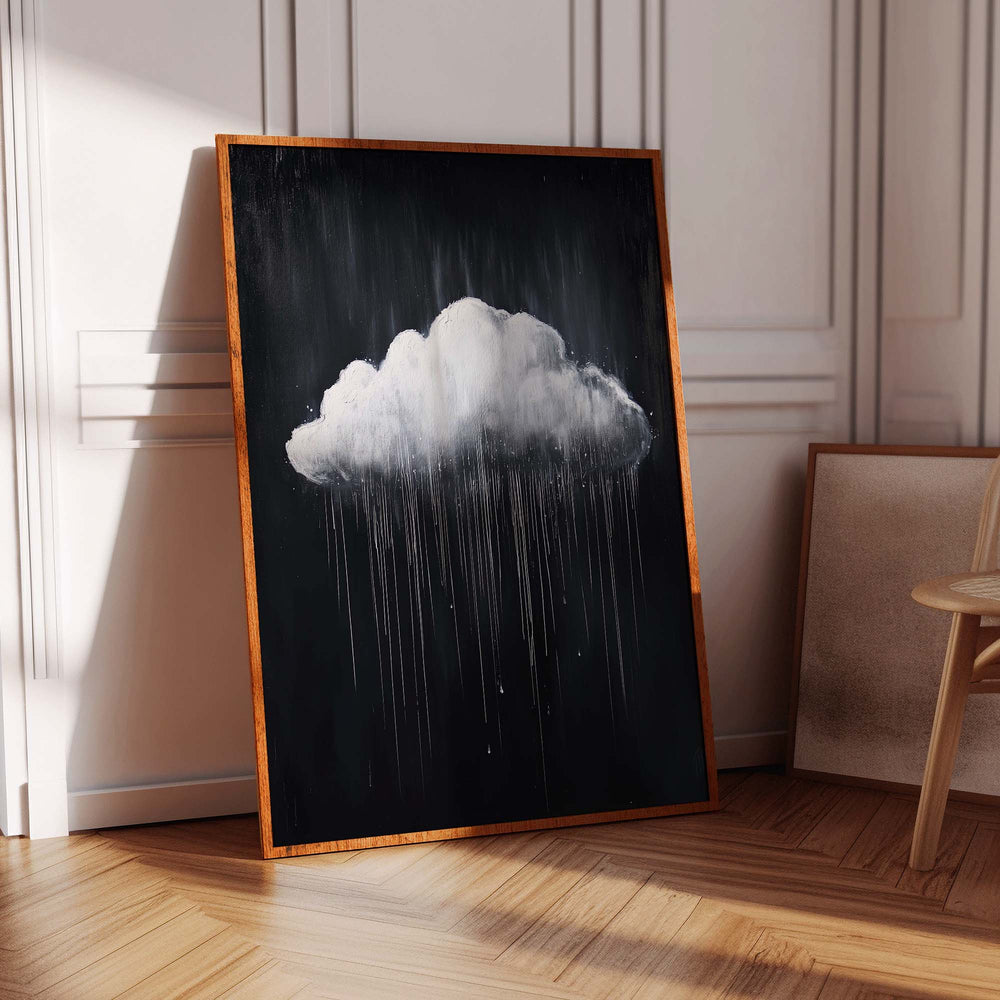
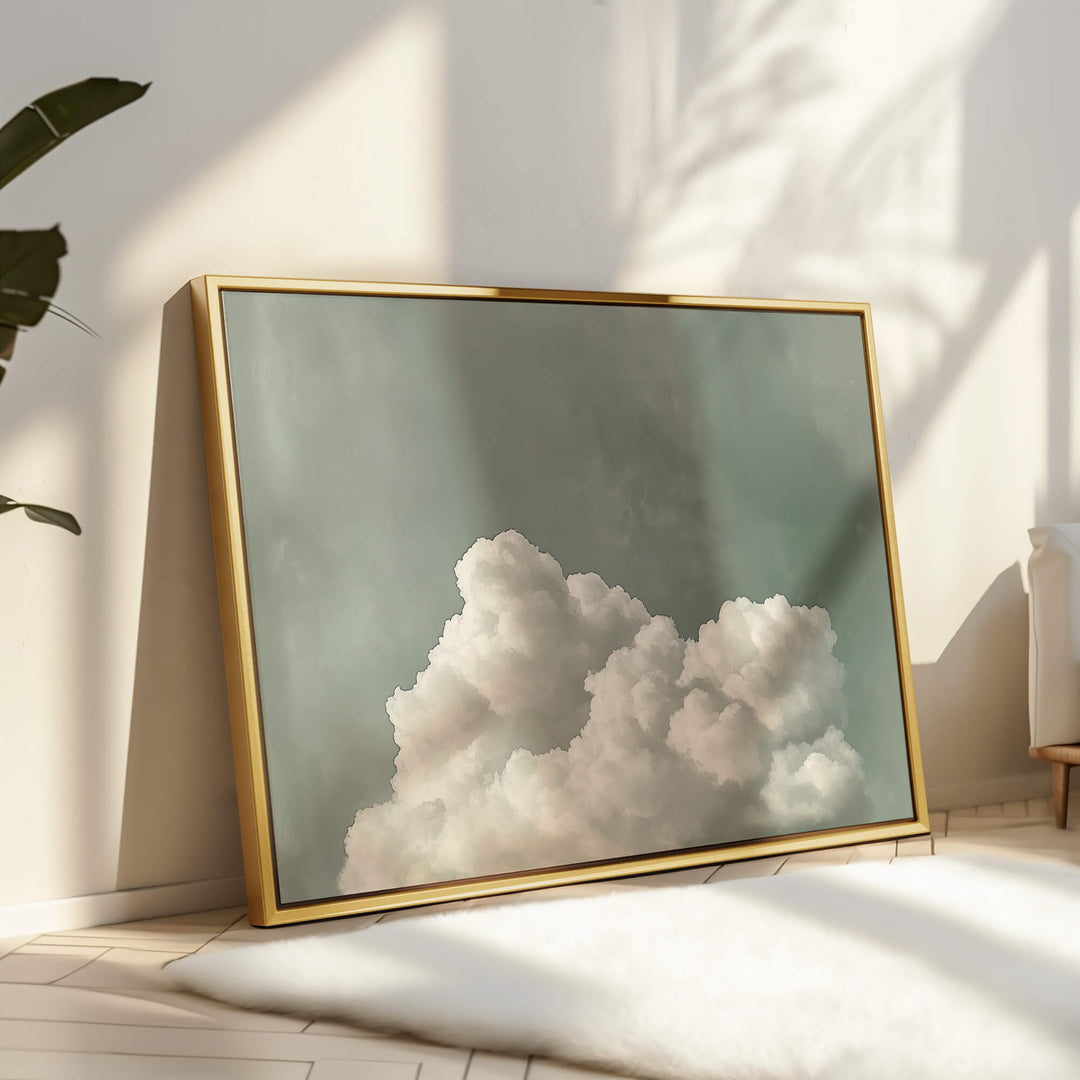
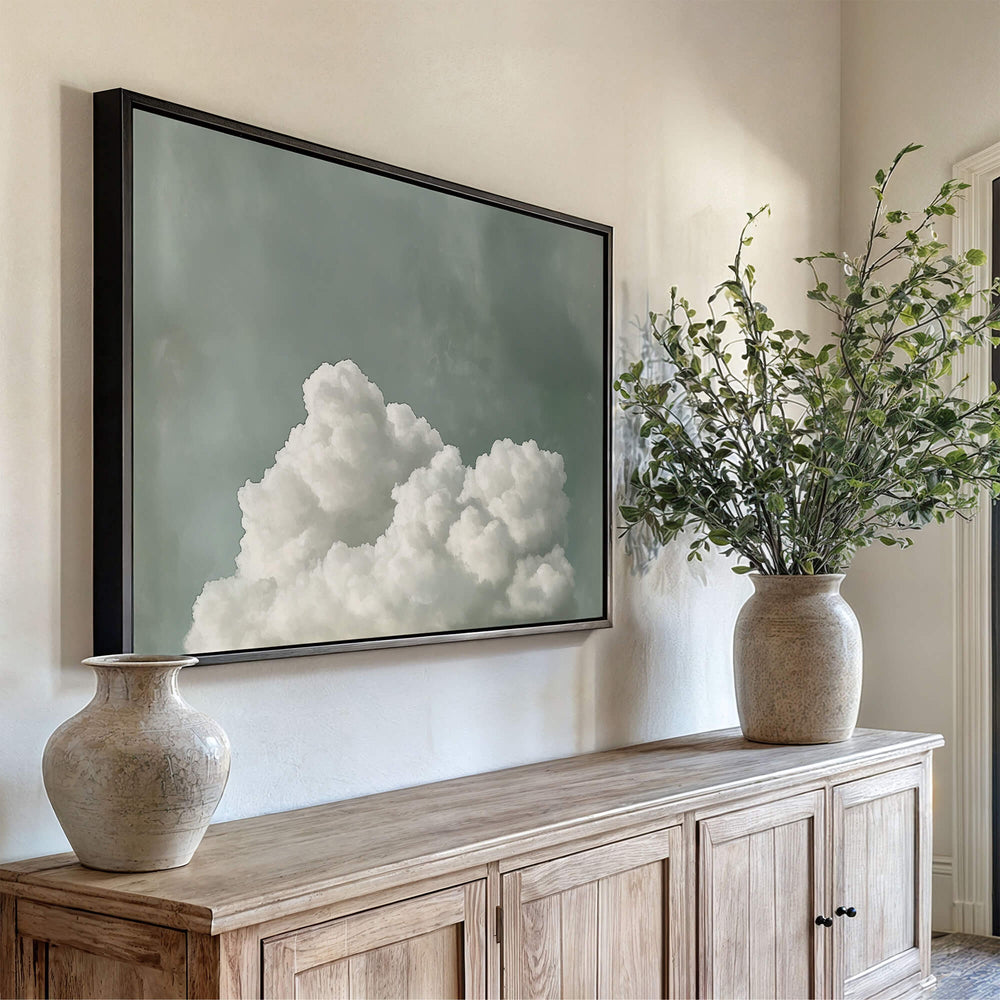
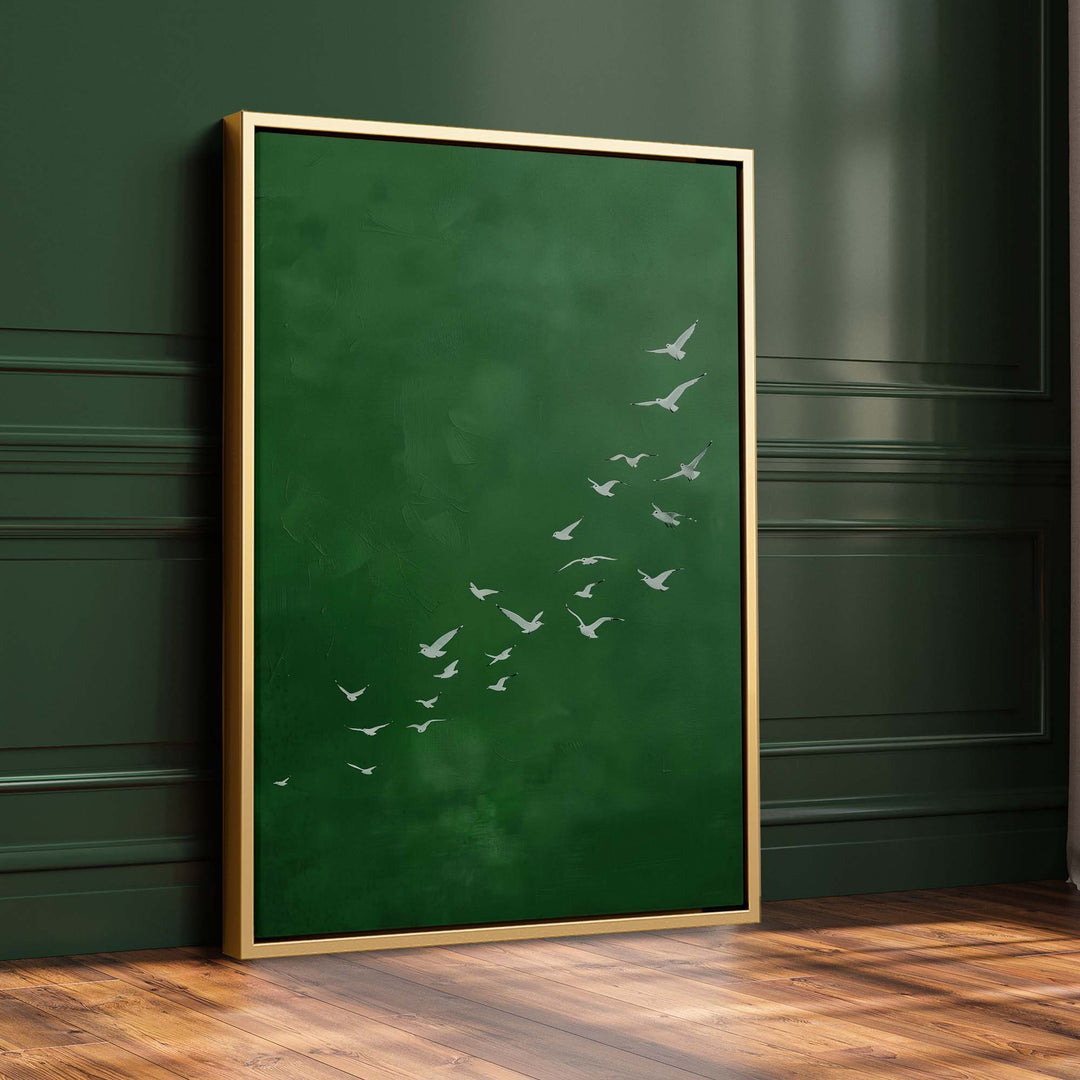
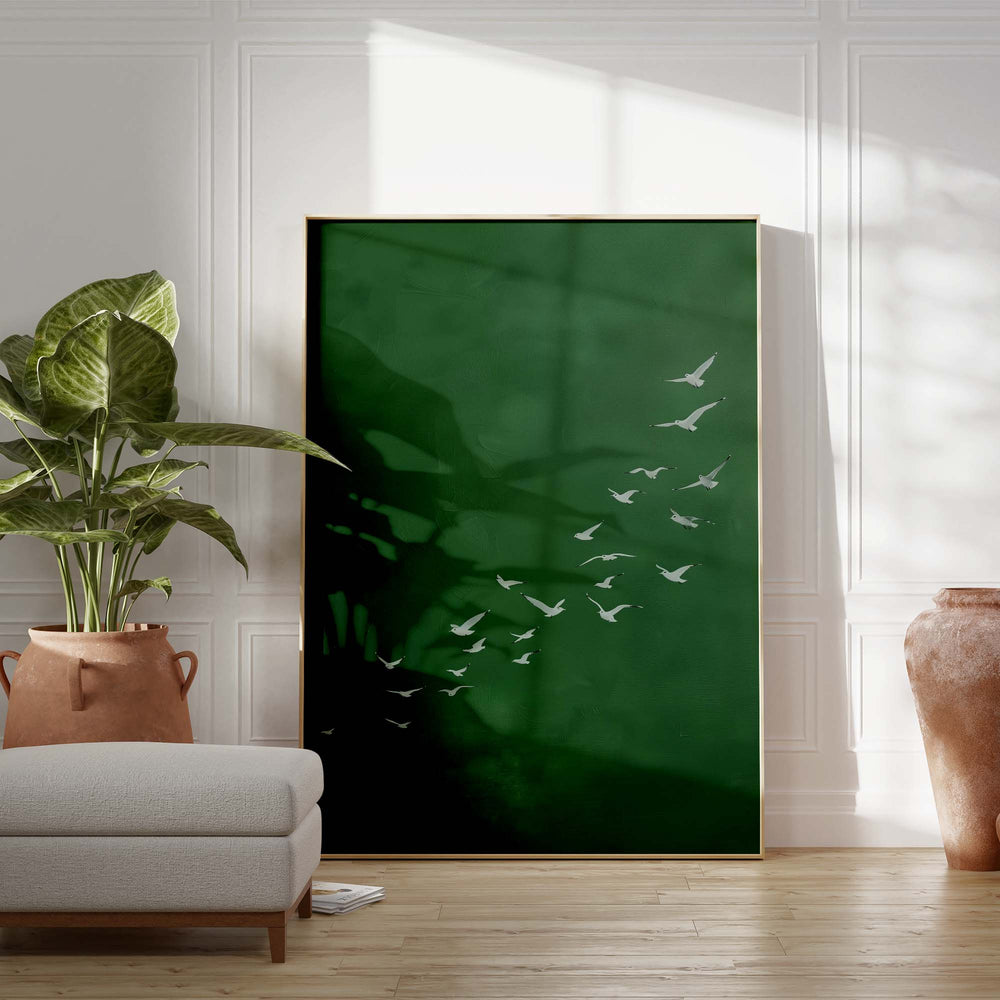
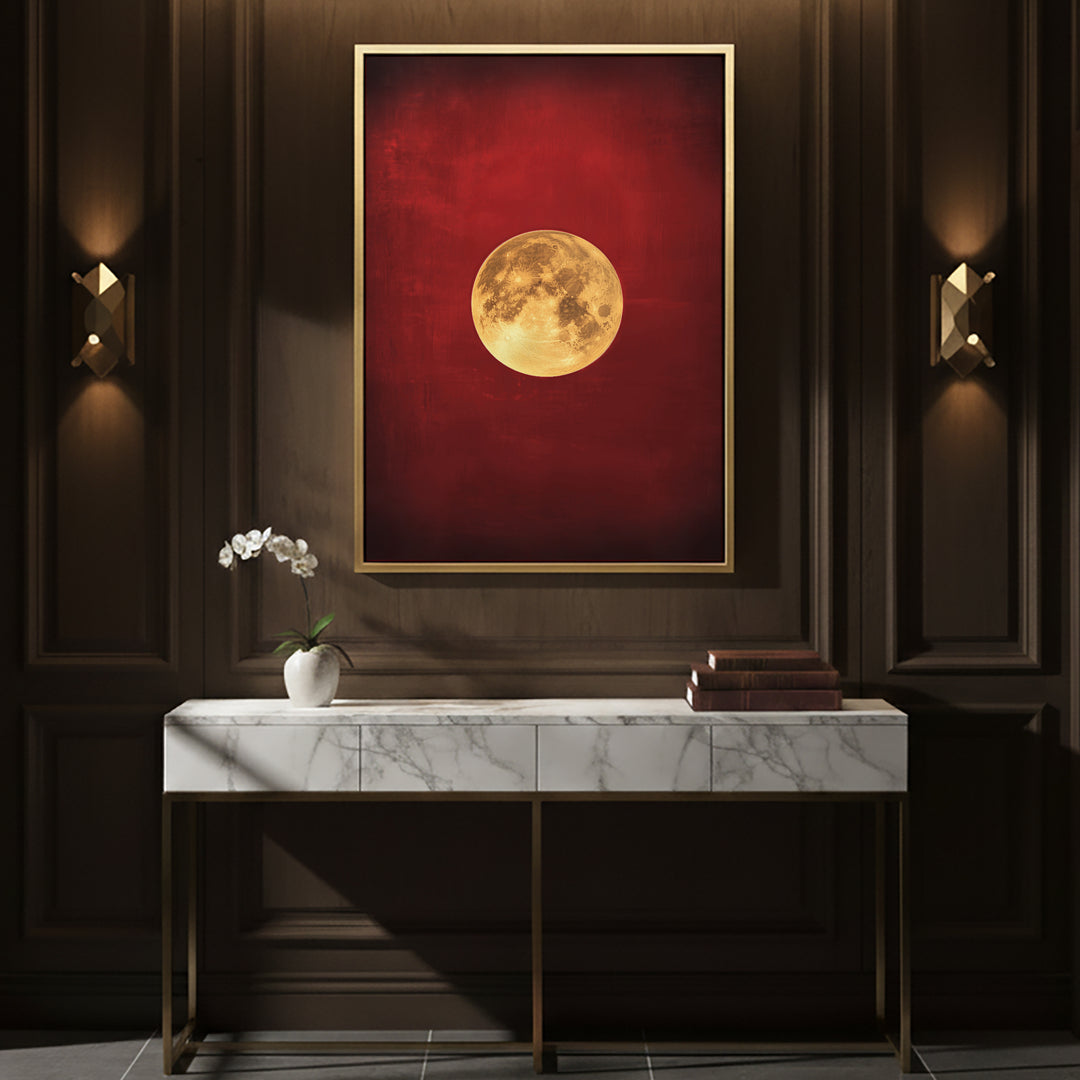
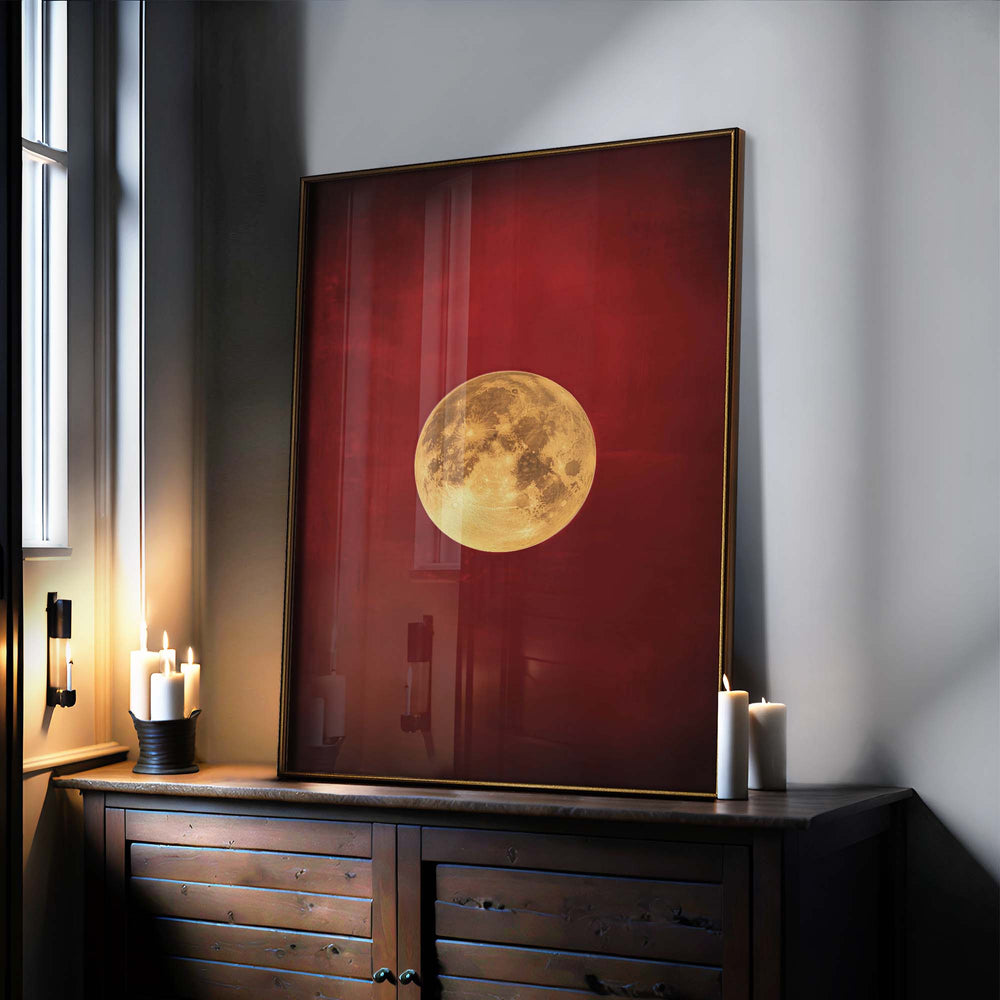
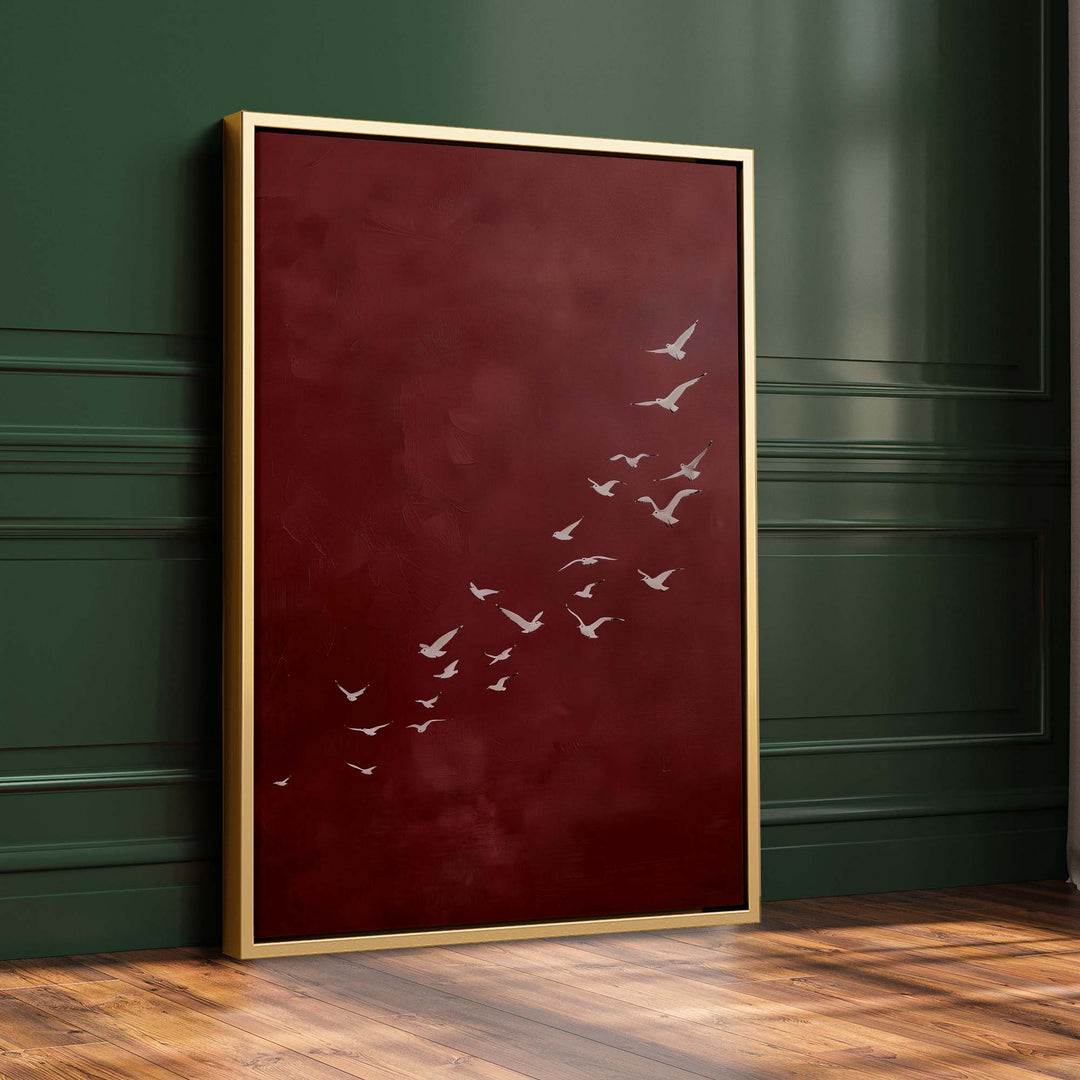
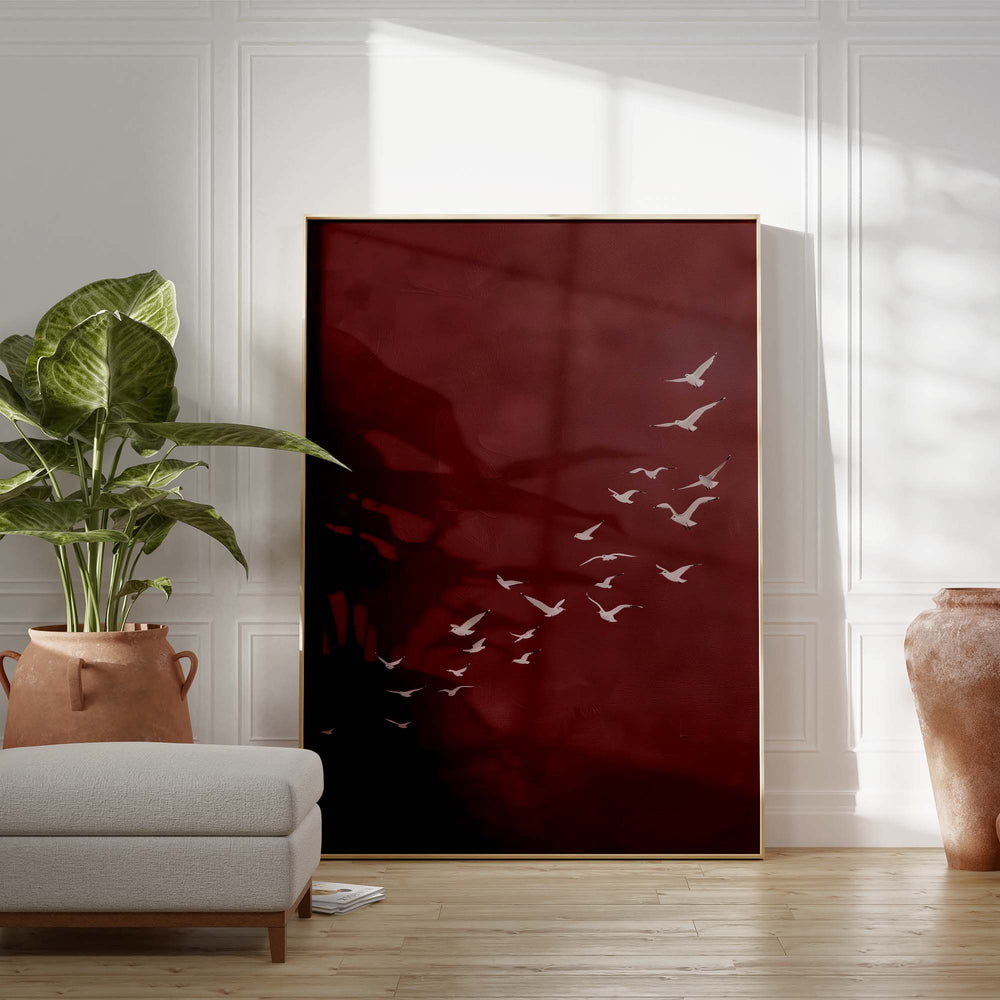
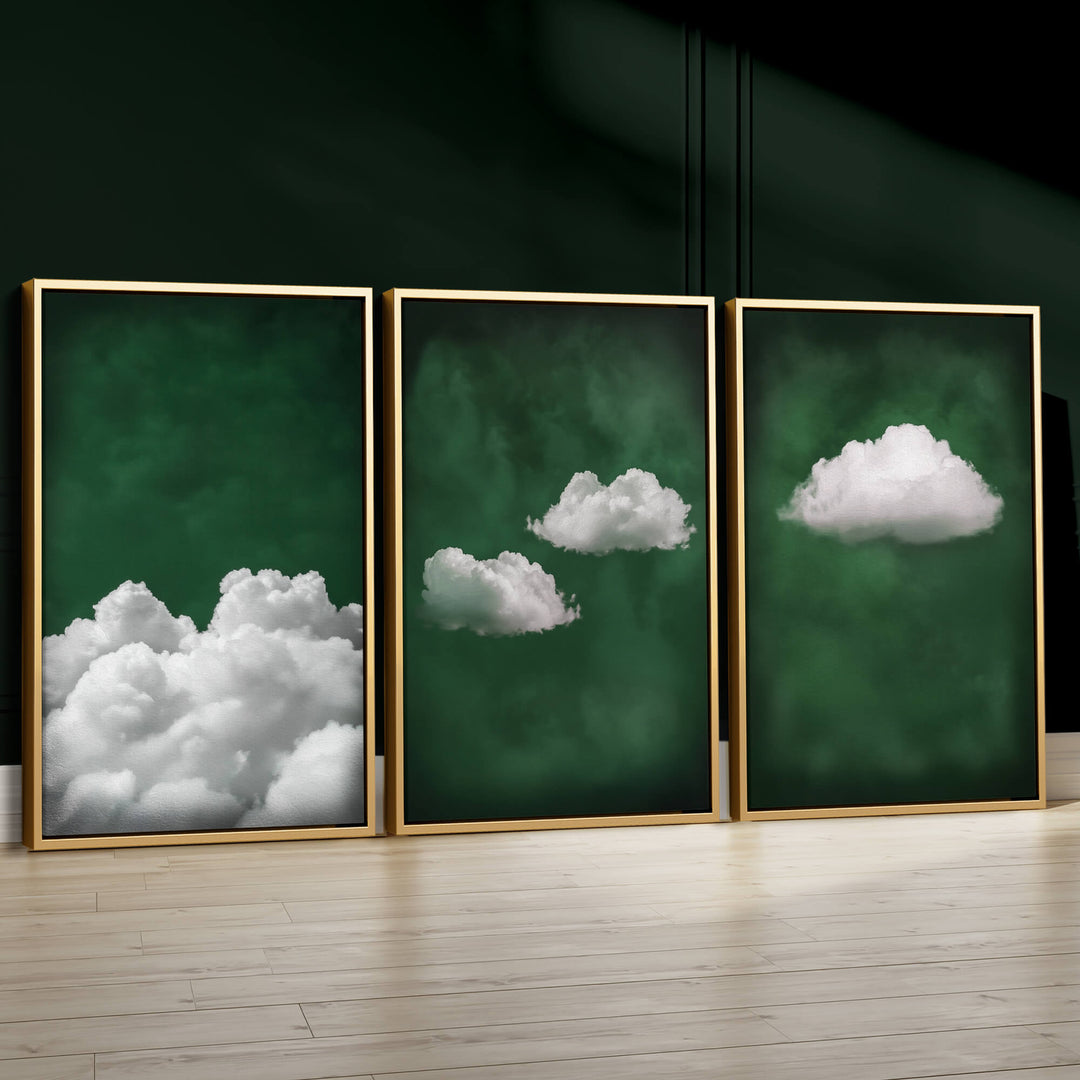
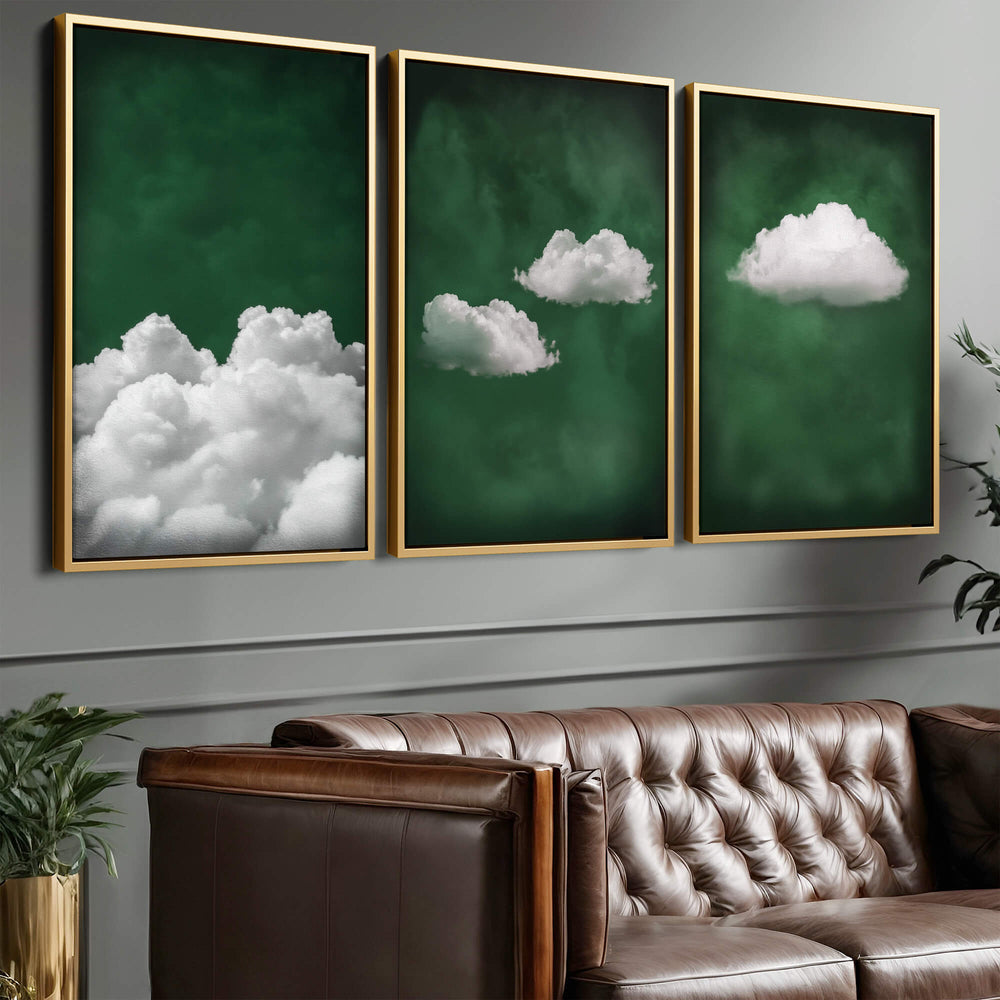
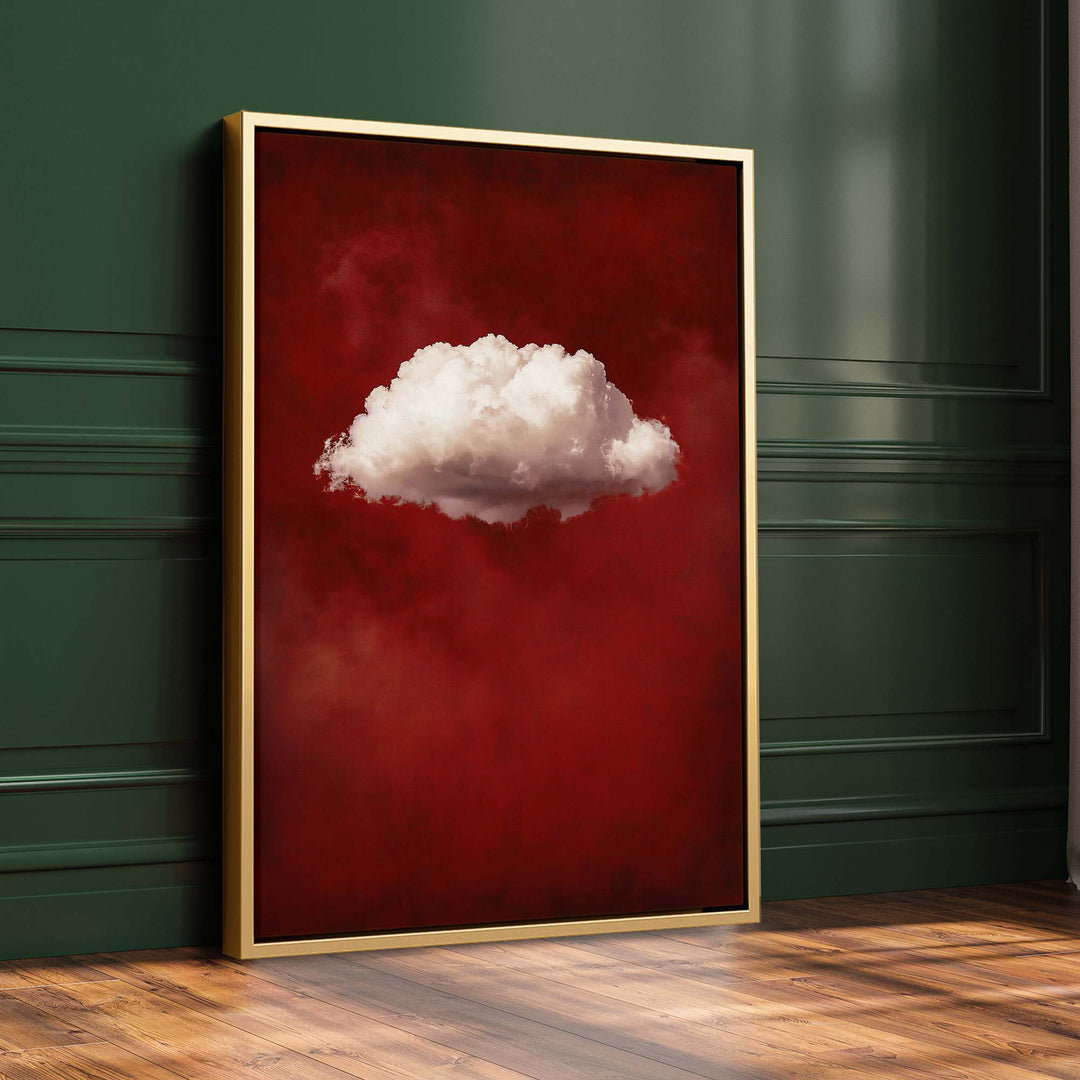
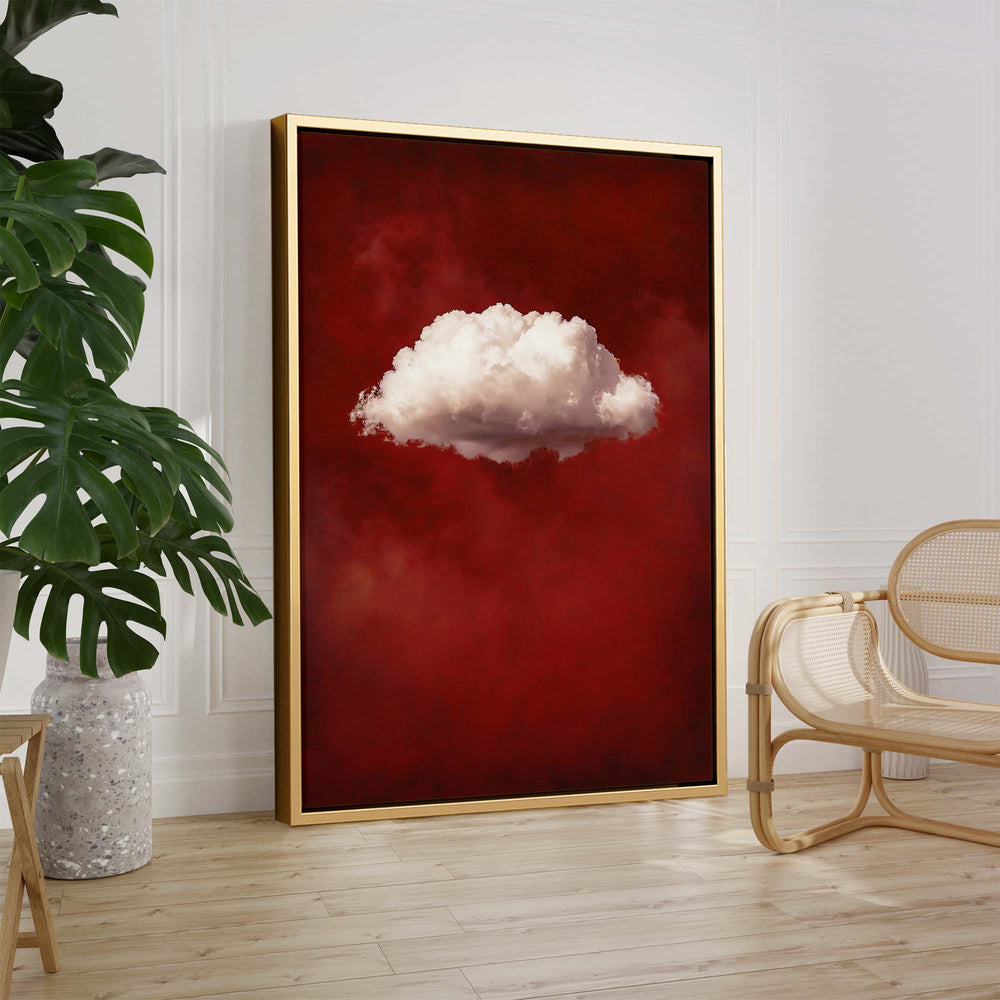
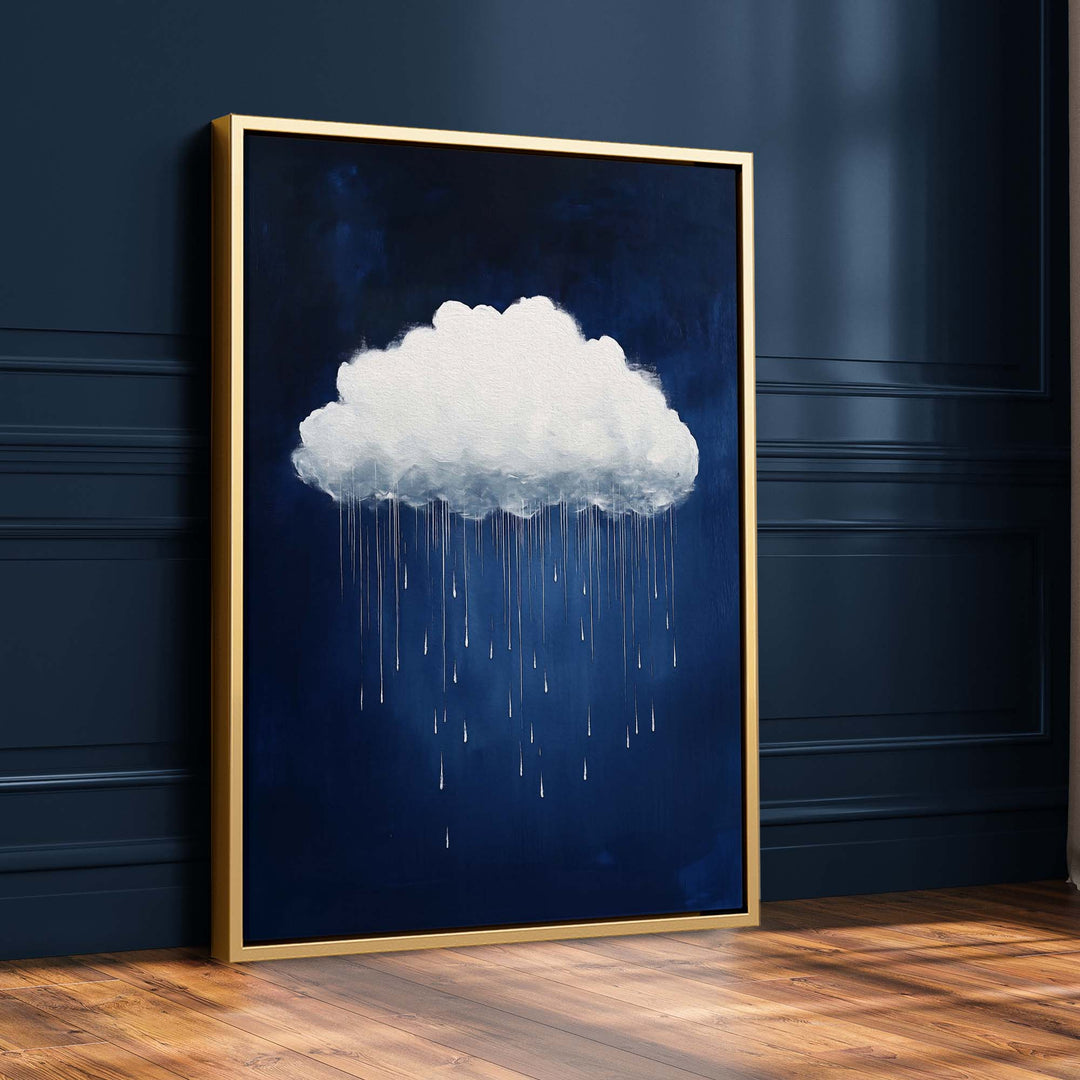
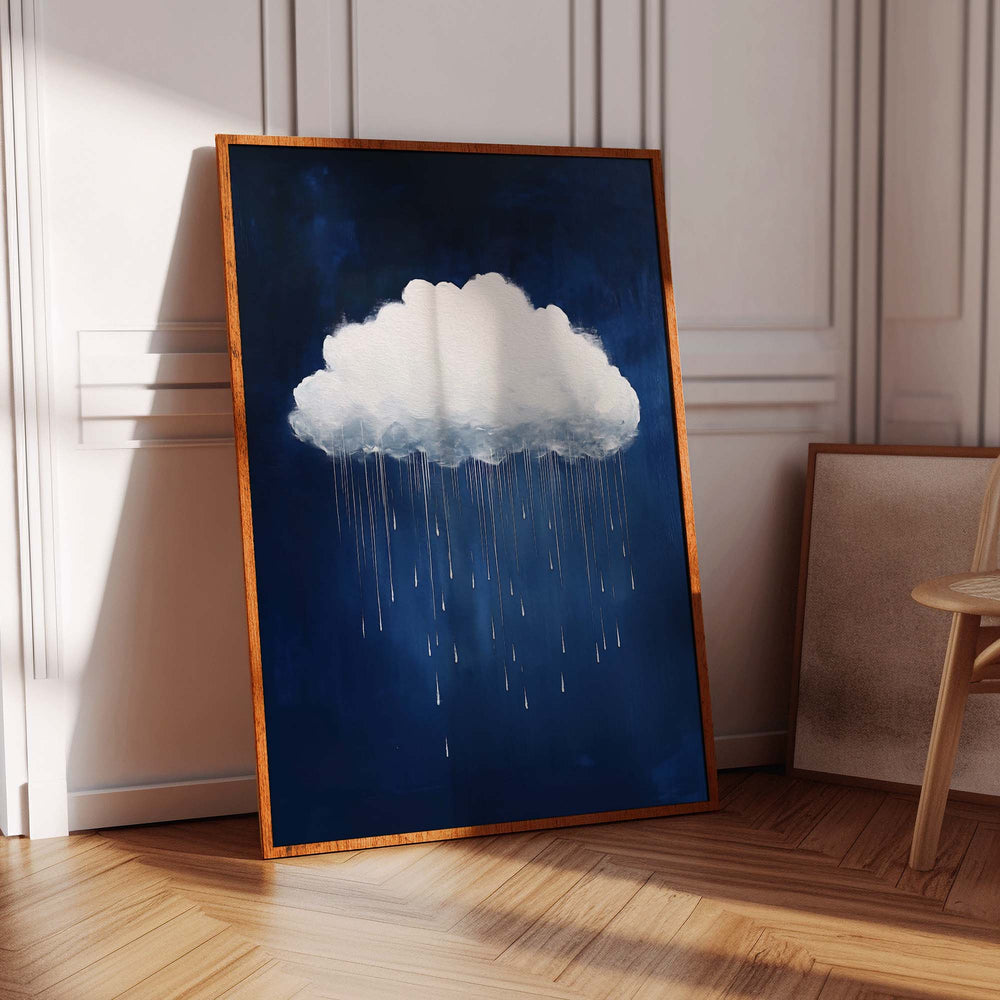
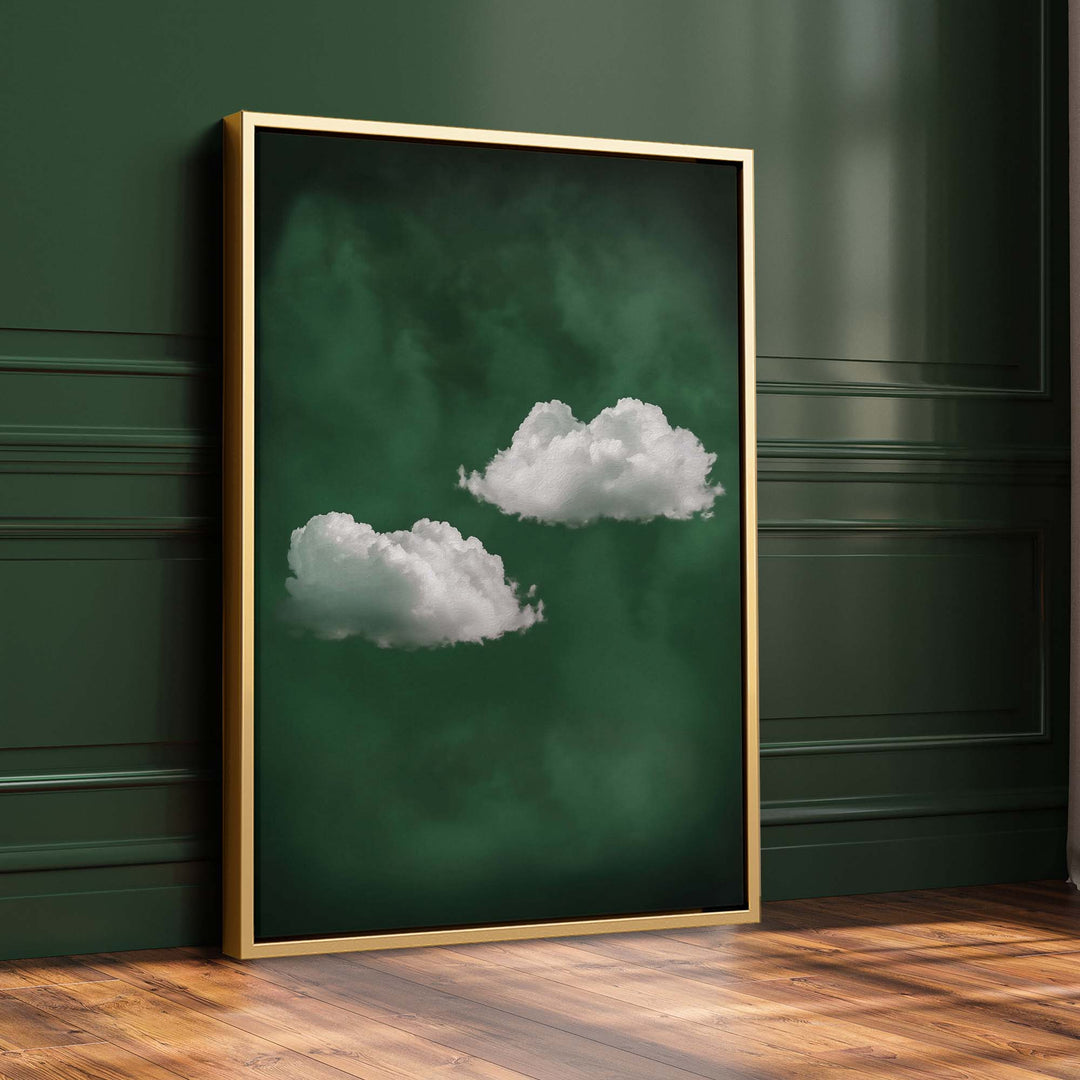
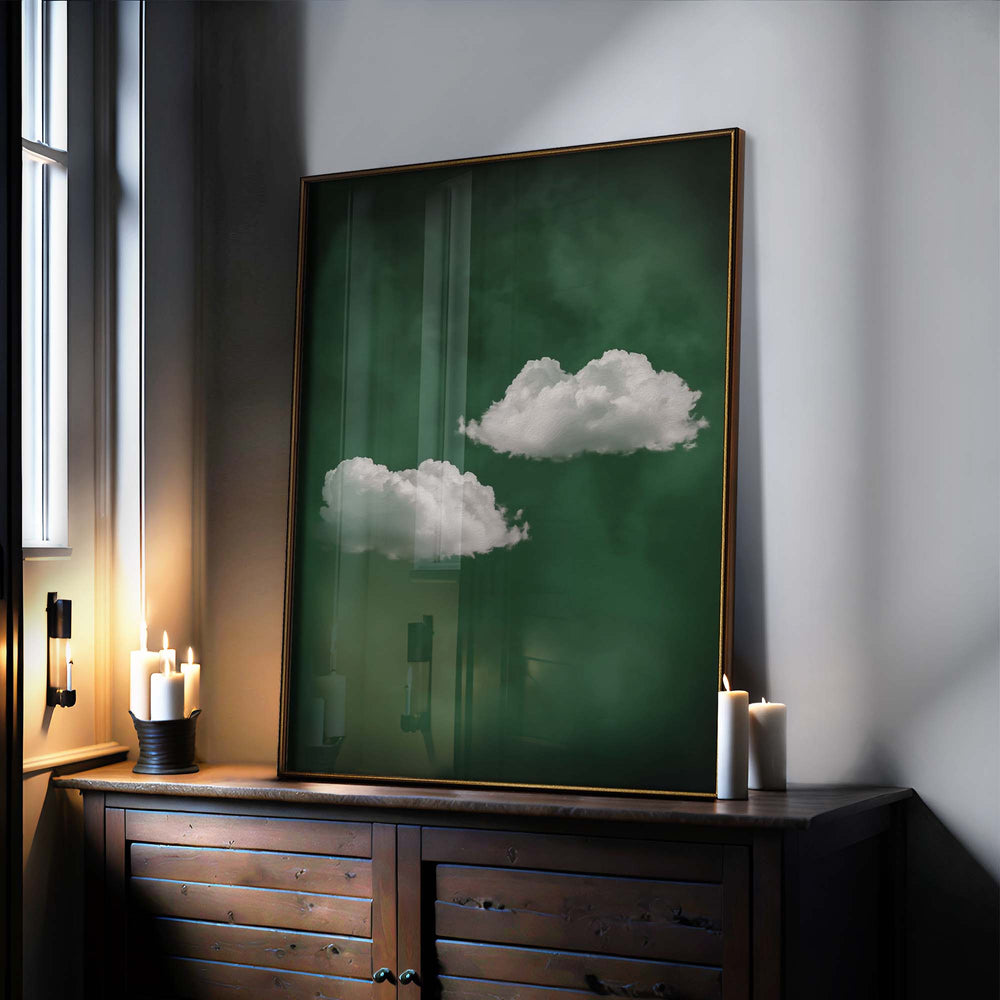
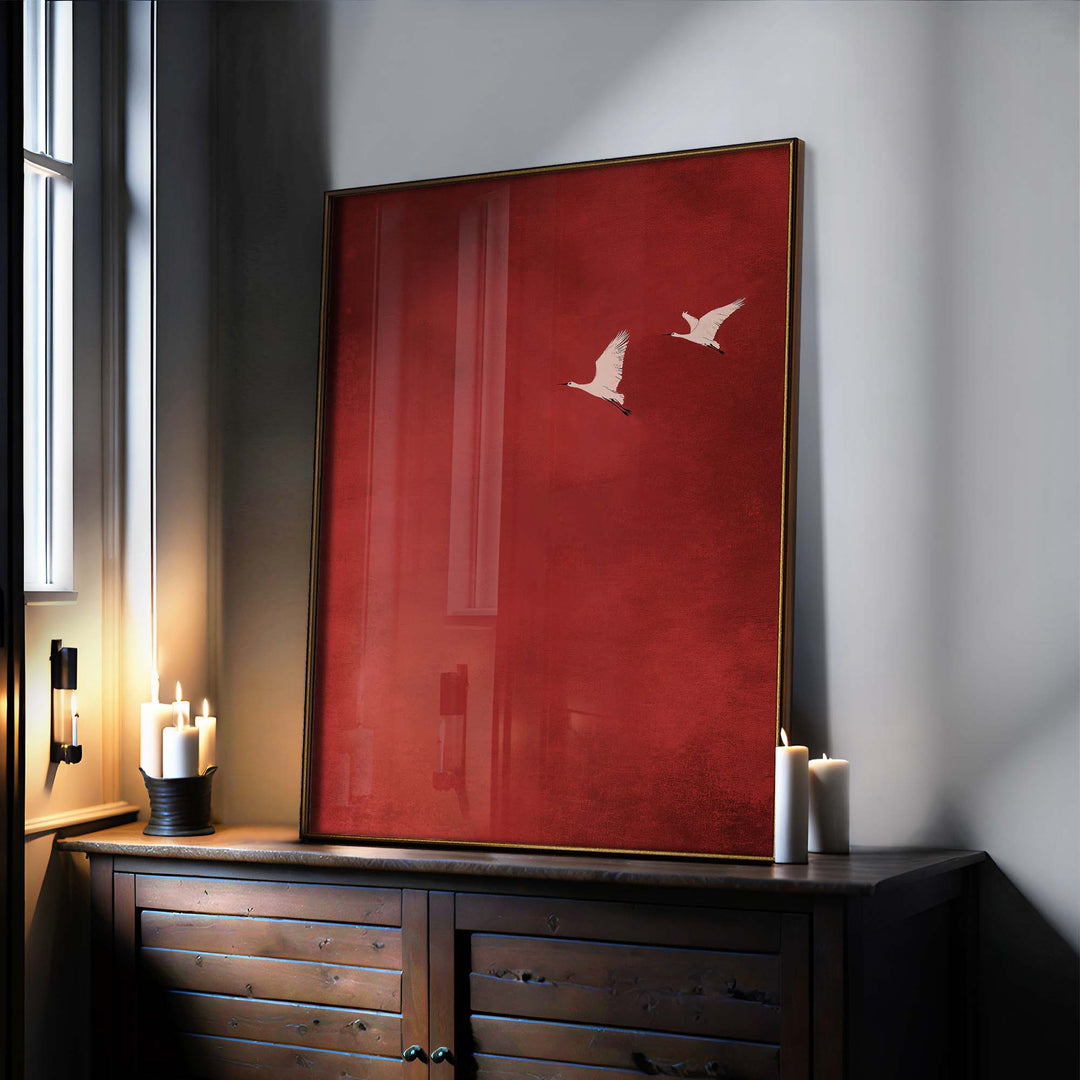
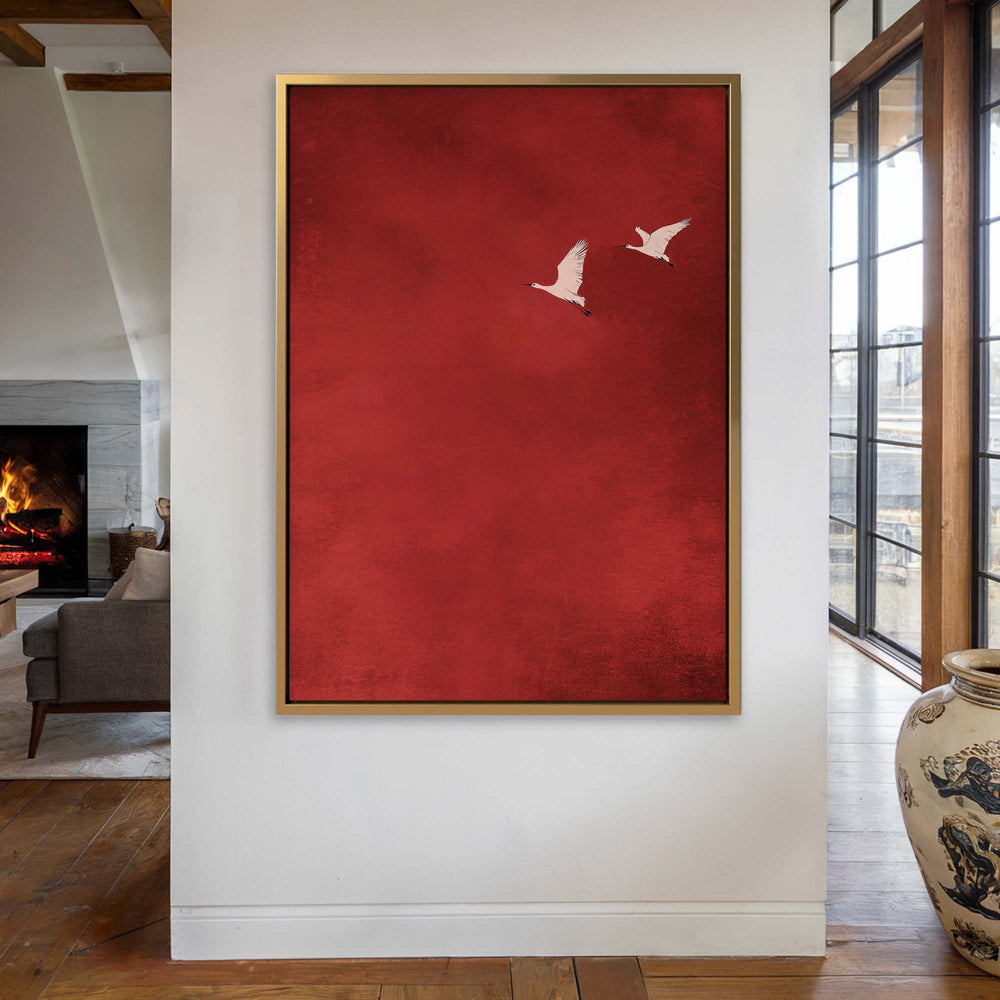
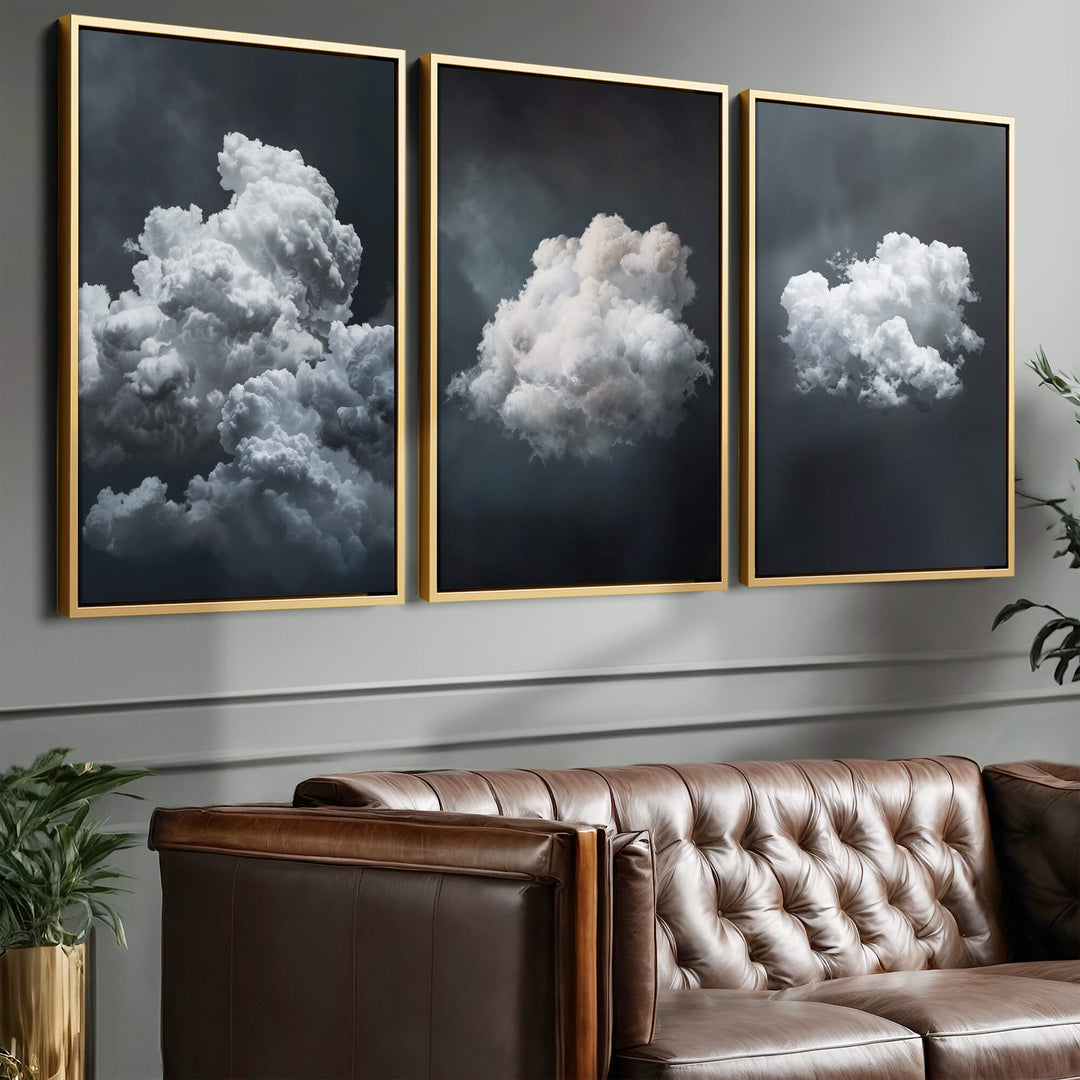
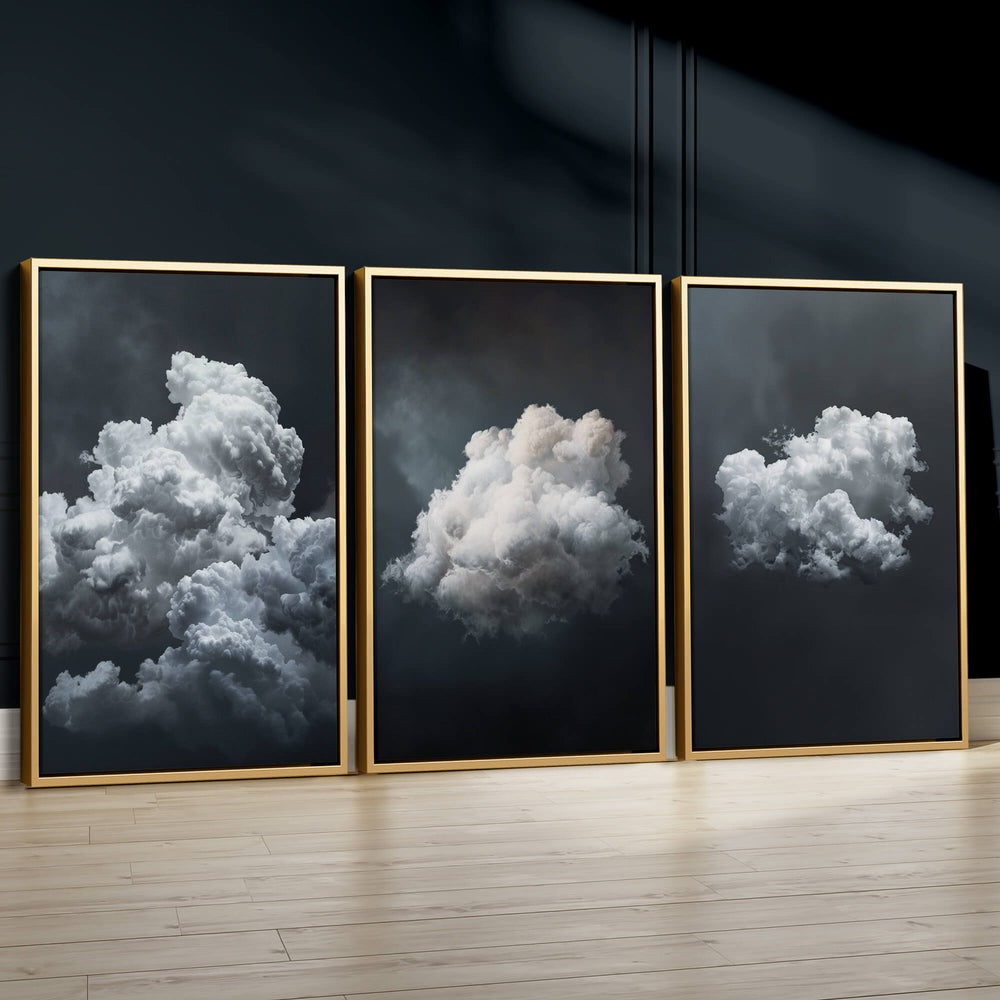
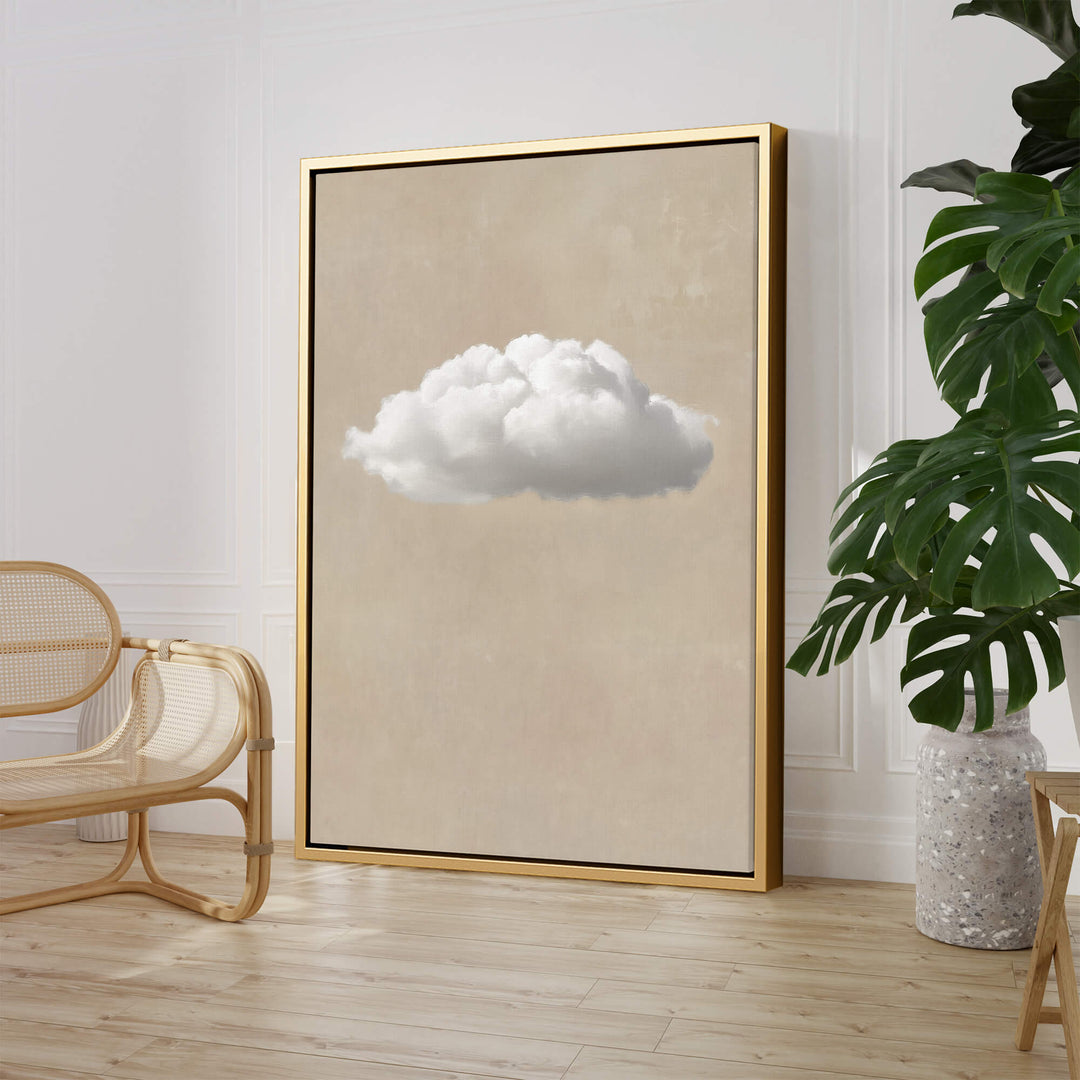
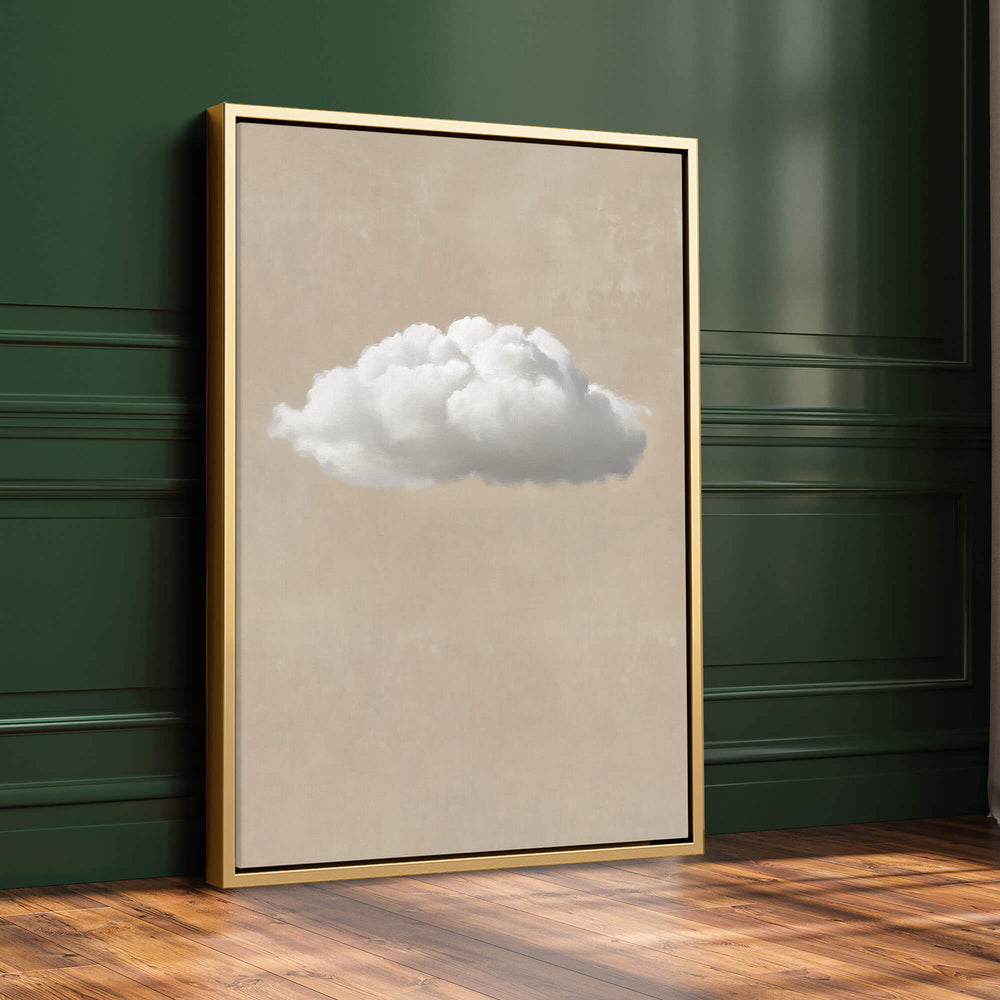
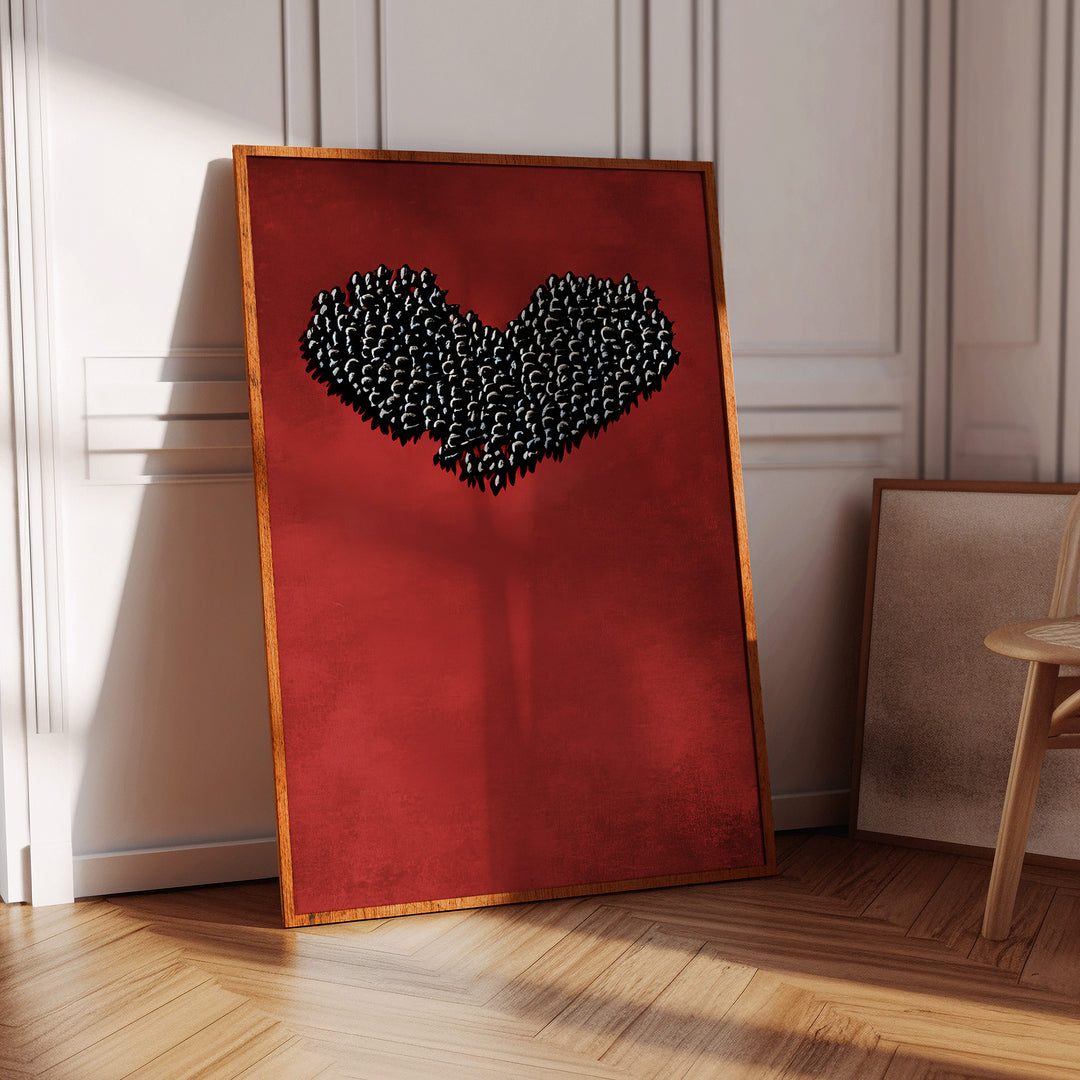
Explore our minimalist wall art, defined by clean composition, considered space and a restrained approach to detail. From simple figurative pieces and atmospheric landscapes to clouds and abstract forms, each artwork creates impact without visual excess and is produced as a premium giclée canvas print.
Styling minimalist wall art
Minimalist artwork is less about using pale tones and more about giving each element room to breathe. Simple forms, focused subjects and deliberate negative space can bring structure to an interior without making the wall feel busy. For softer, earthy compositions influenced by Japanese and Scandinavian design, explore our Japandi Wall Art. Prefer a collection defined primarily by understated tones? Browse our Neutral Wall Art.
Minimalist wall art FAQs
Understanding minimalist artwork and choosing the right piece for your interior.
What is minimalist wall art?
Minimalist wall art uses restraint as part of the composition, often focusing on a small number of forms, a clear subject or deliberate areas of visual space. It can be subtle or high contrast; what matters is that the composition feels purposeful rather than crowded with unnecessary detail.
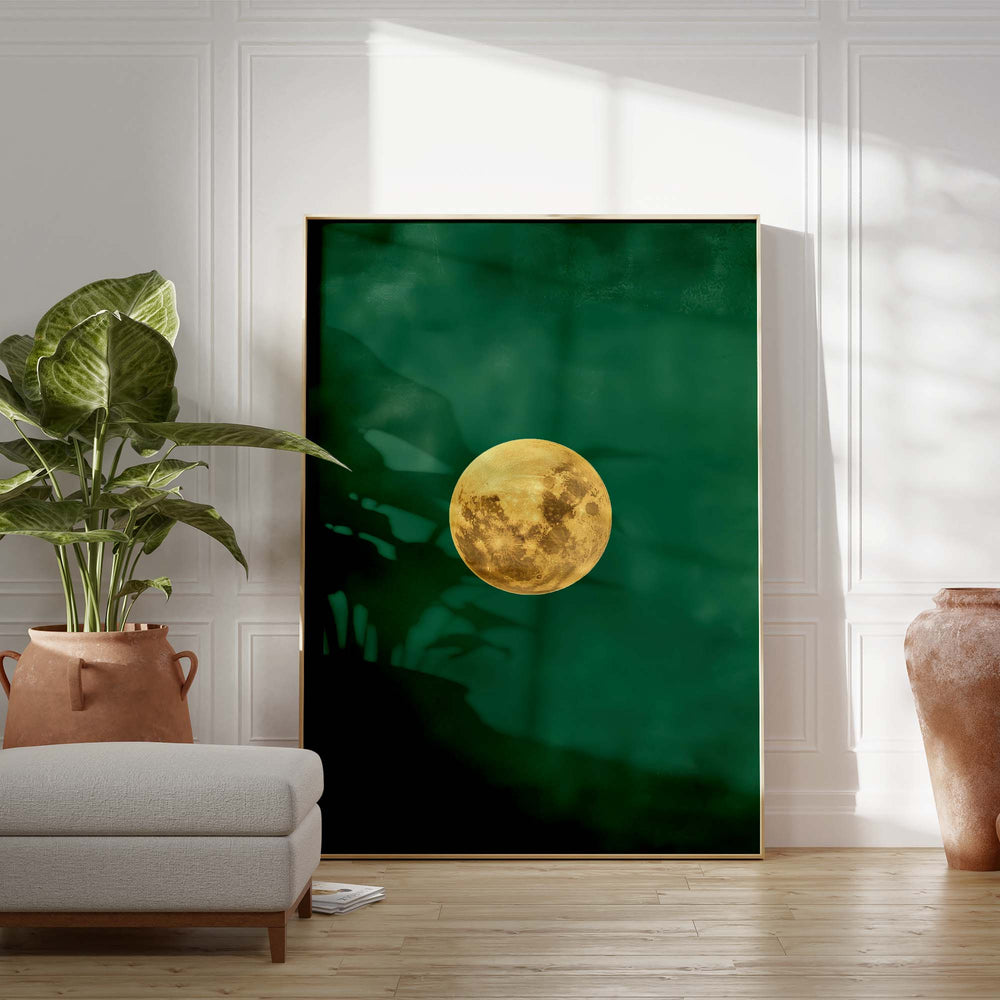
What is the difference between minimalist and Japandi wall art?
Minimalist artwork is defined primarily by simplicity and restraint. Japandi shares those qualities but usually has a stronger connection to organic forms, natural materials, texture and Japanese and Scandinavian design influences. A piece can therefore be minimalist without necessarily being Japandi.
Does minimalist wall art work in a small room?
Yes. A focused composition can give a smaller room a clear visual focal point without making the wall feel overly busy. Scale still matters, so choose a piece substantial enough to feel intentional rather than automatically choosing the smallest available size.
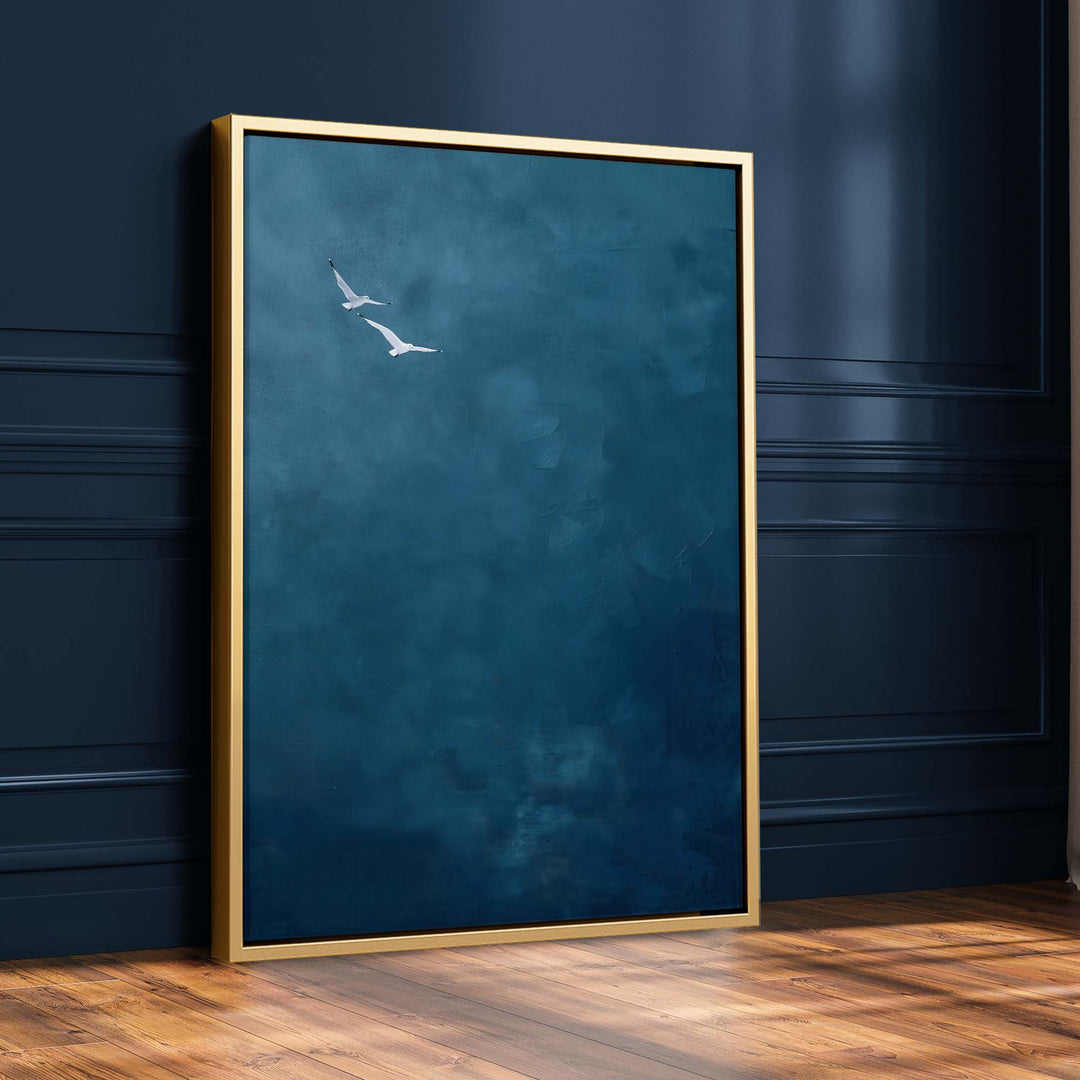
Does minimalist wall art have to use neutral tones?
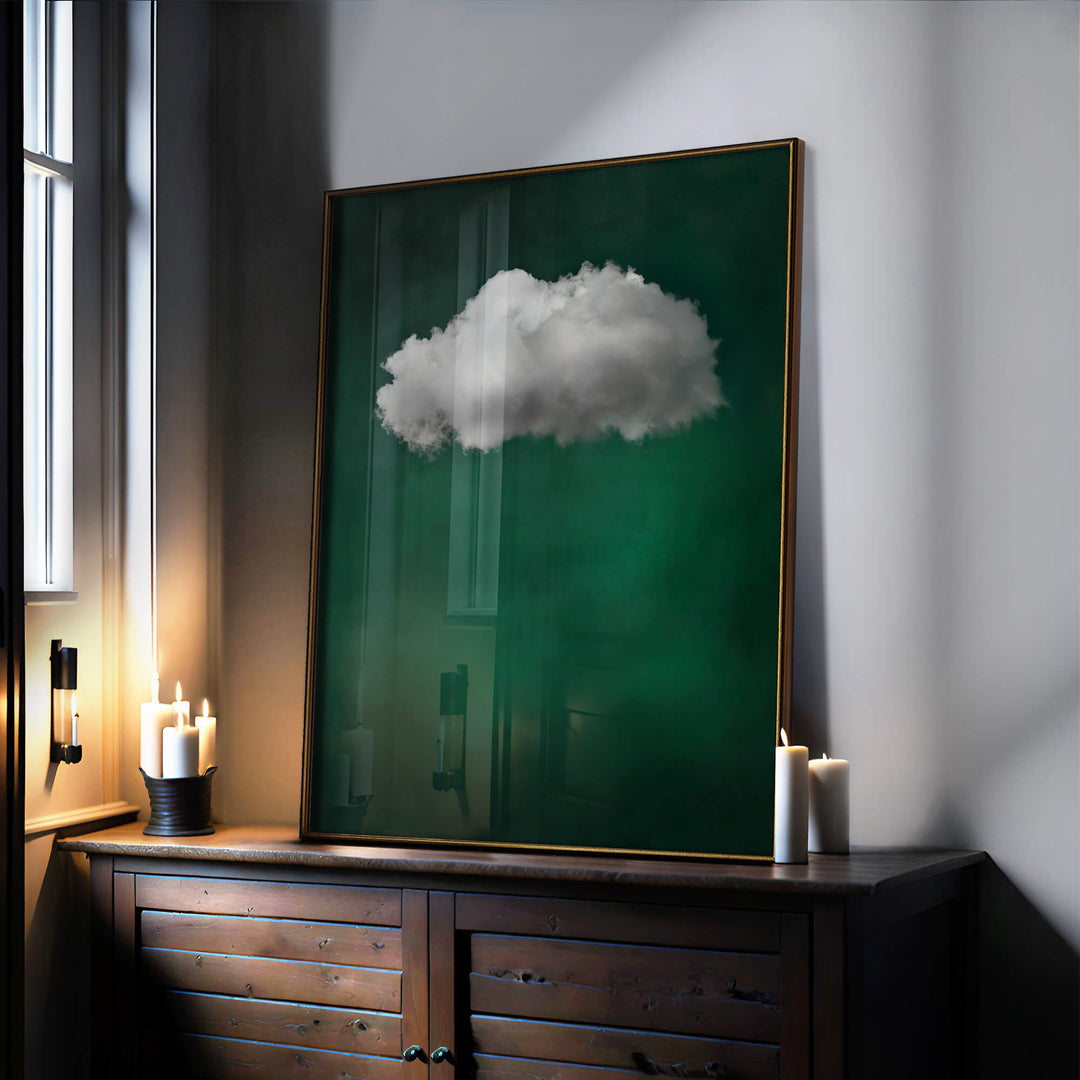
No. Minimalism is more about composition than a particular palette. A piece can use deep, vivid or contrasting tones and still feel minimalist when the forms are simple, the hierarchy is clear and the design avoids unnecessary visual elements.