

Japandi Wall Art


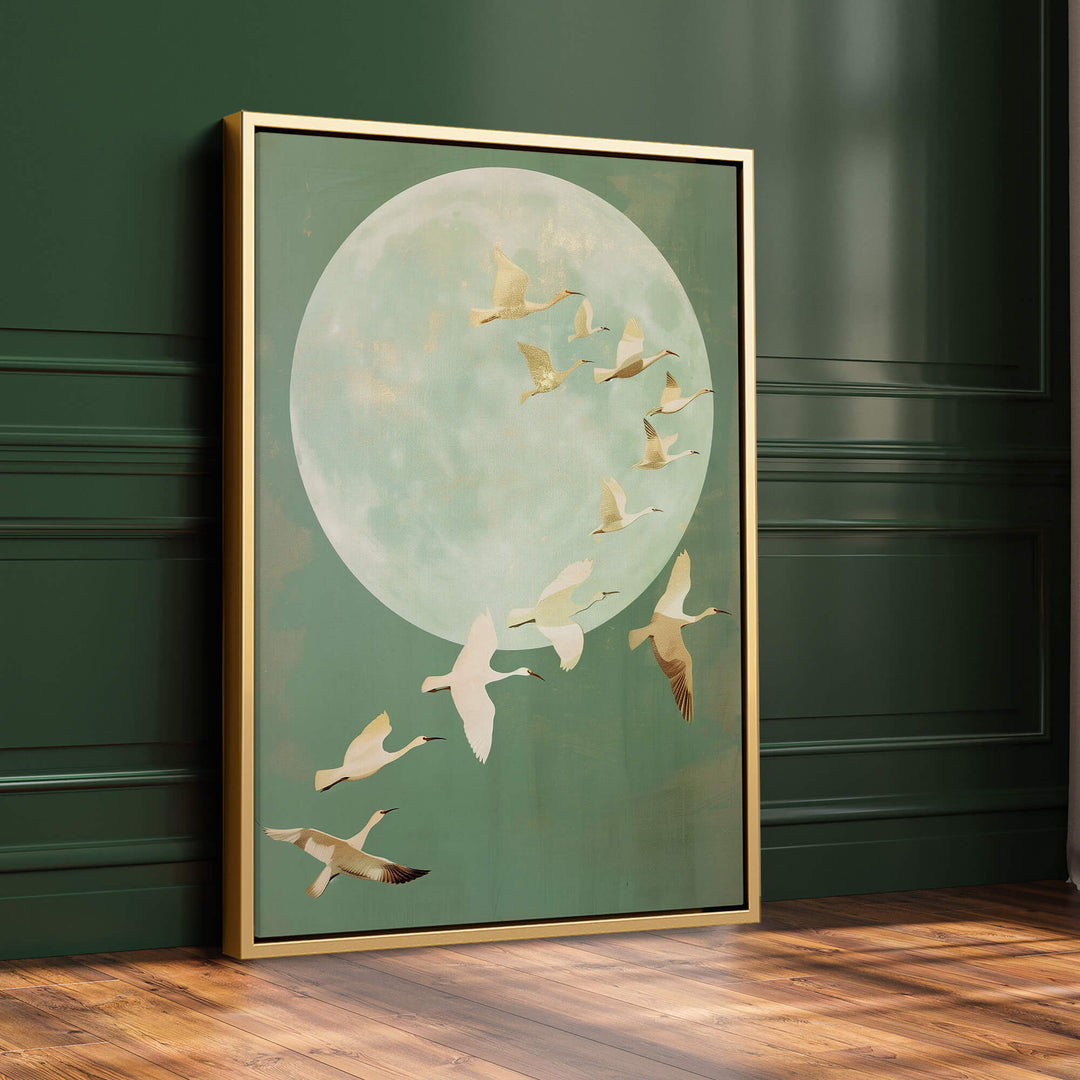
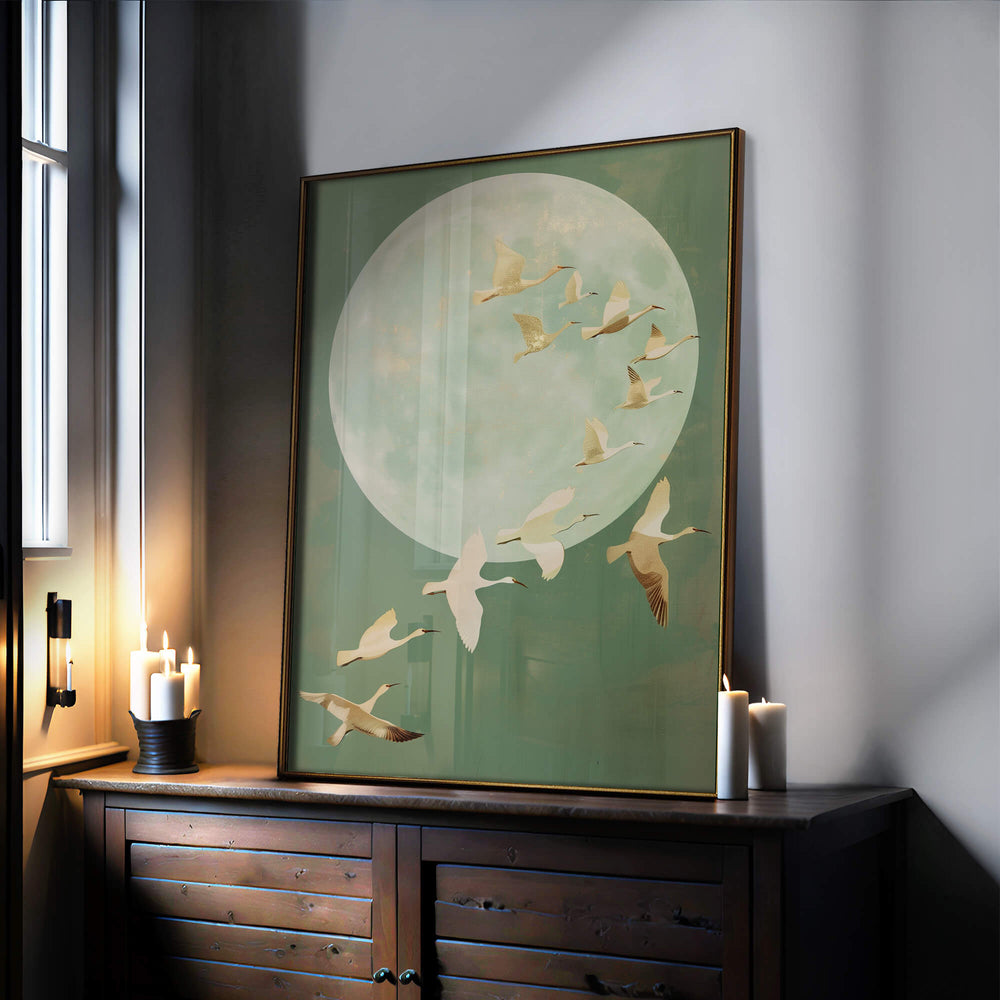
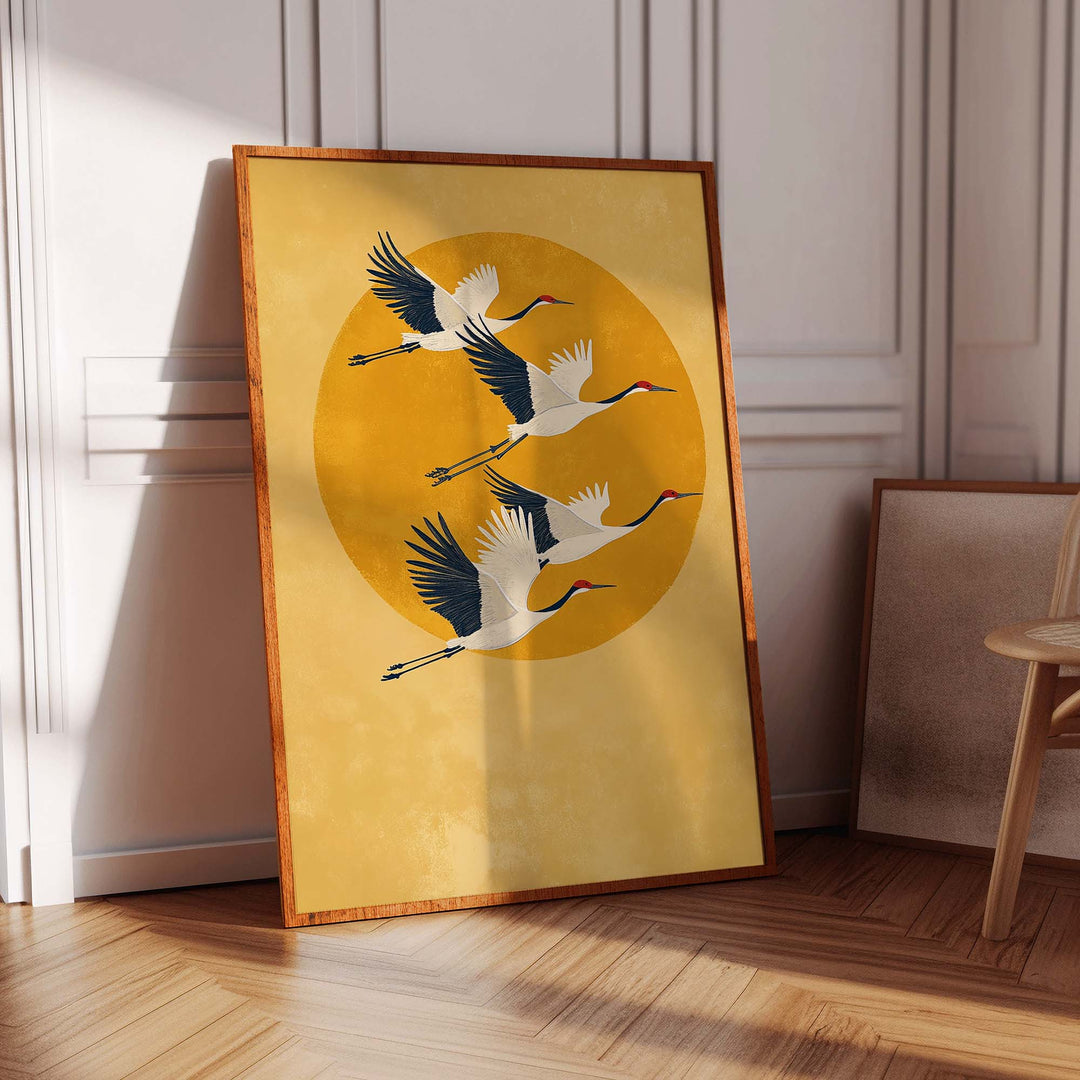
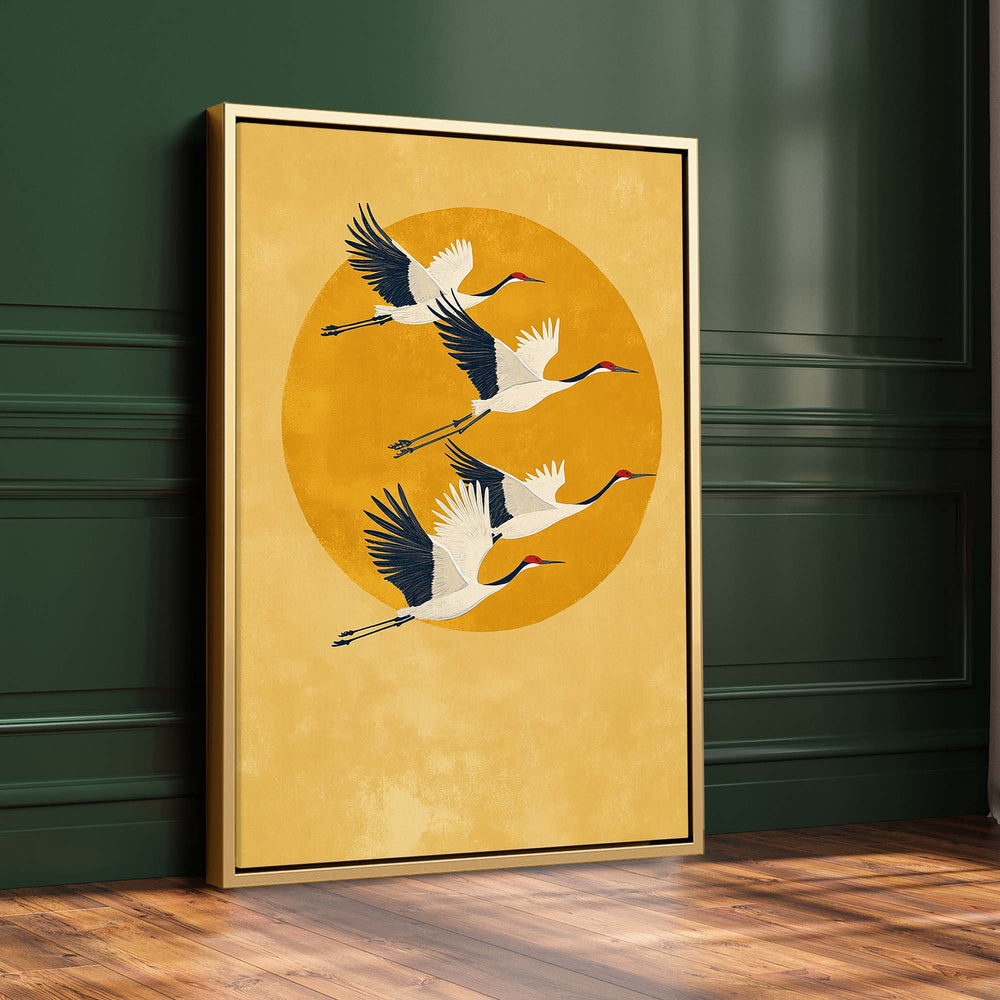




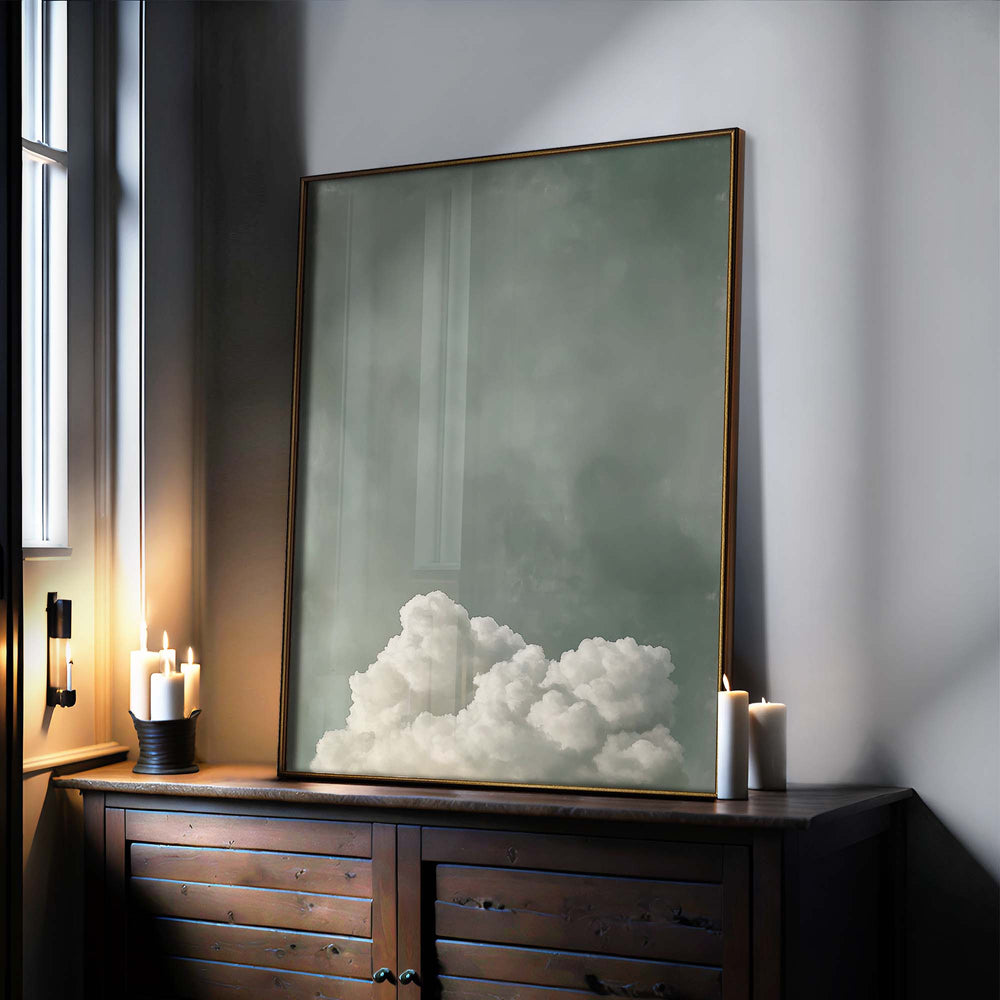
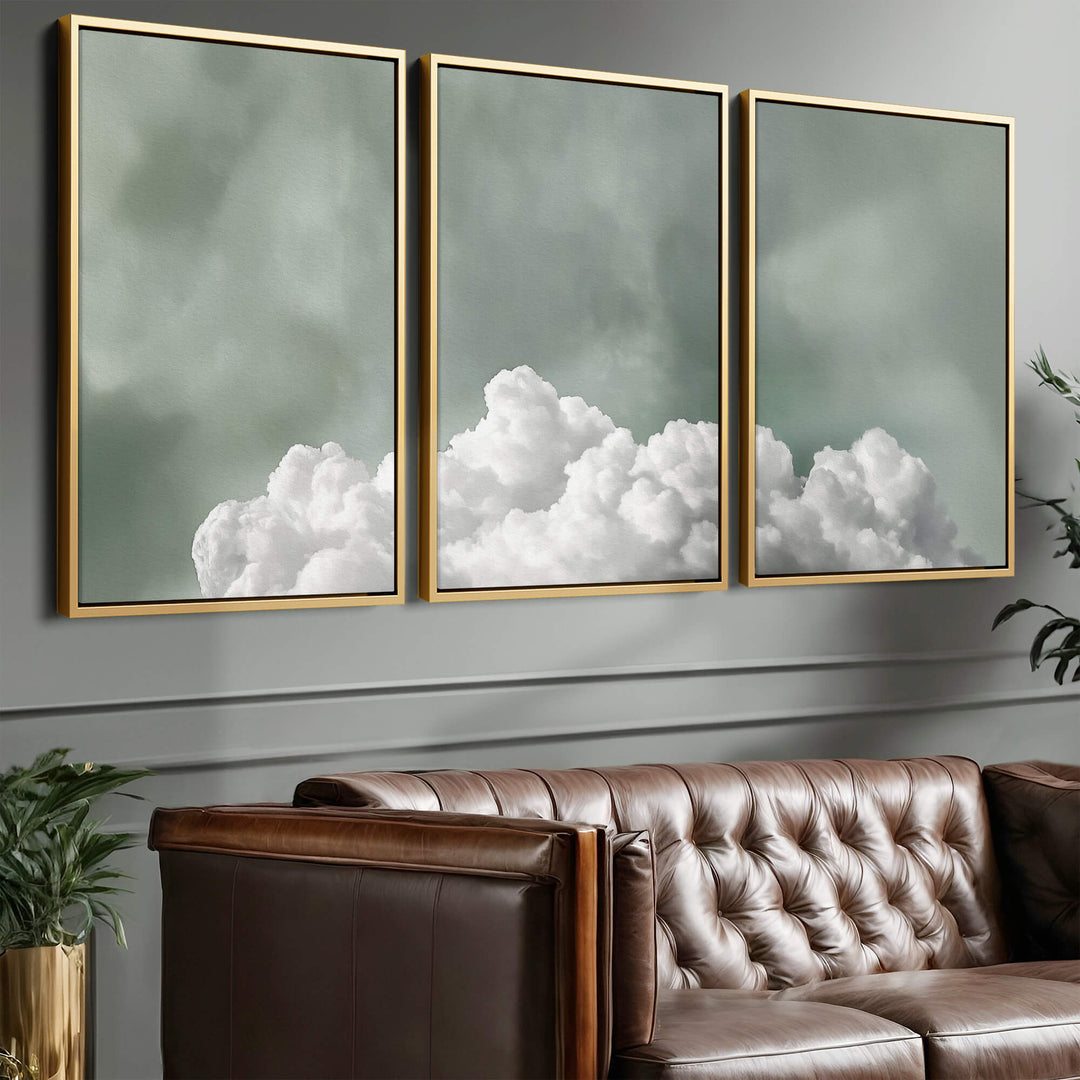

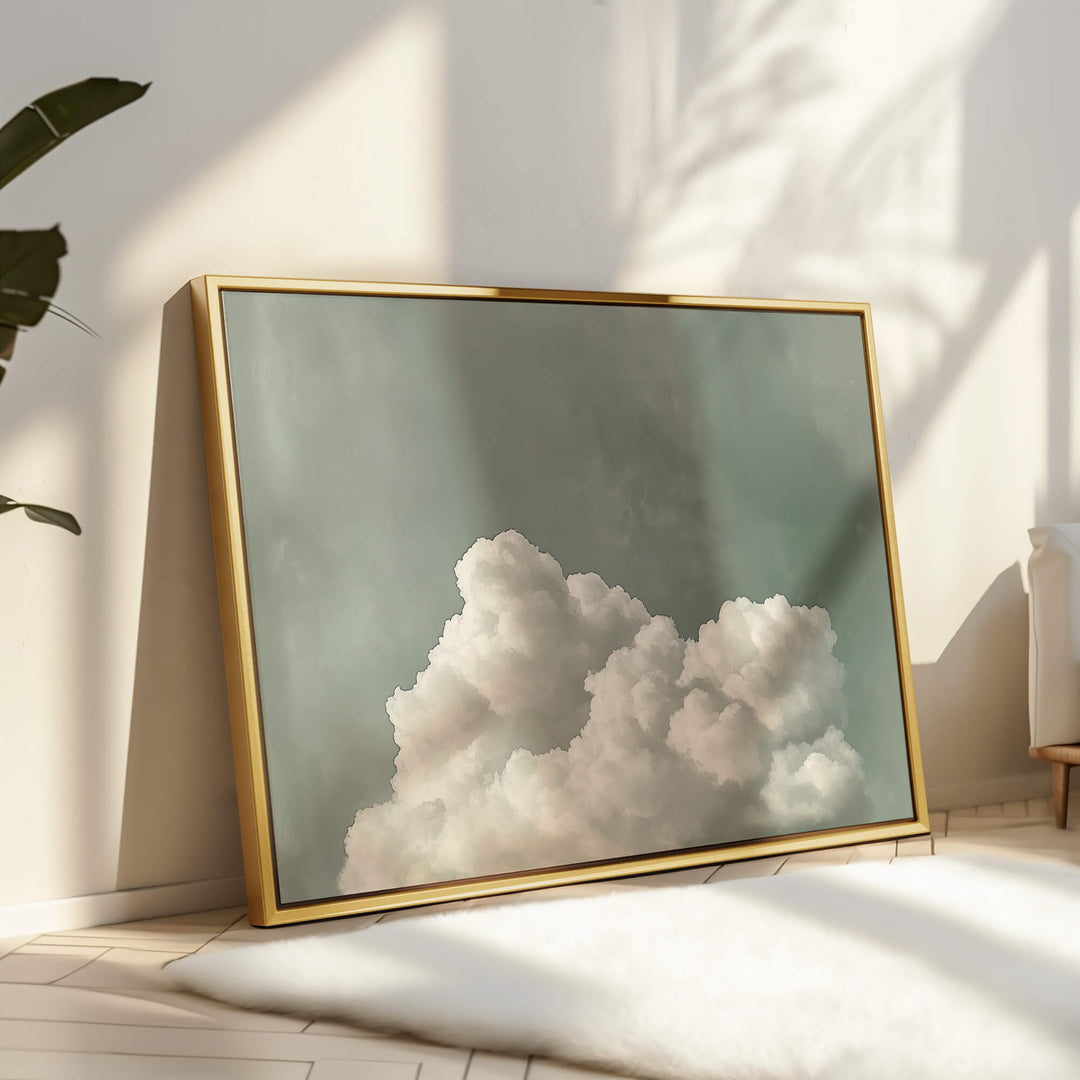
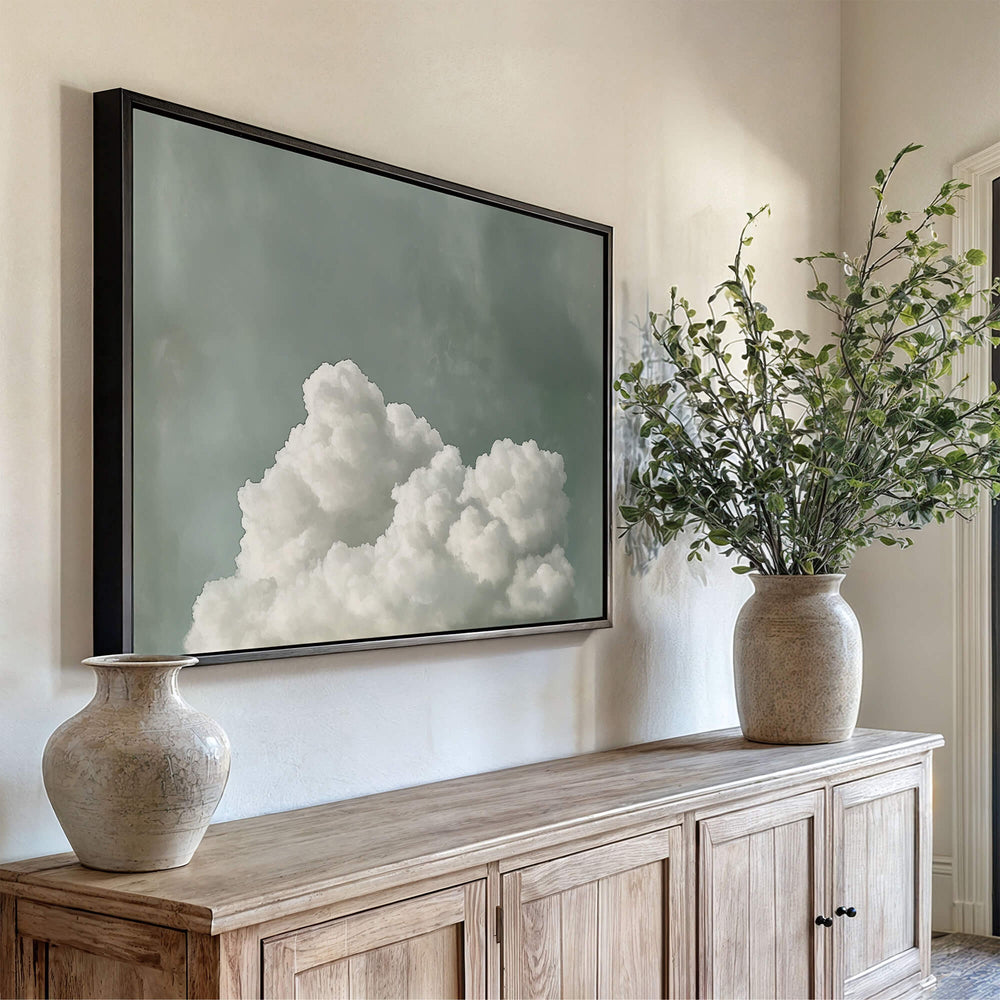

Styling Japandi wall art
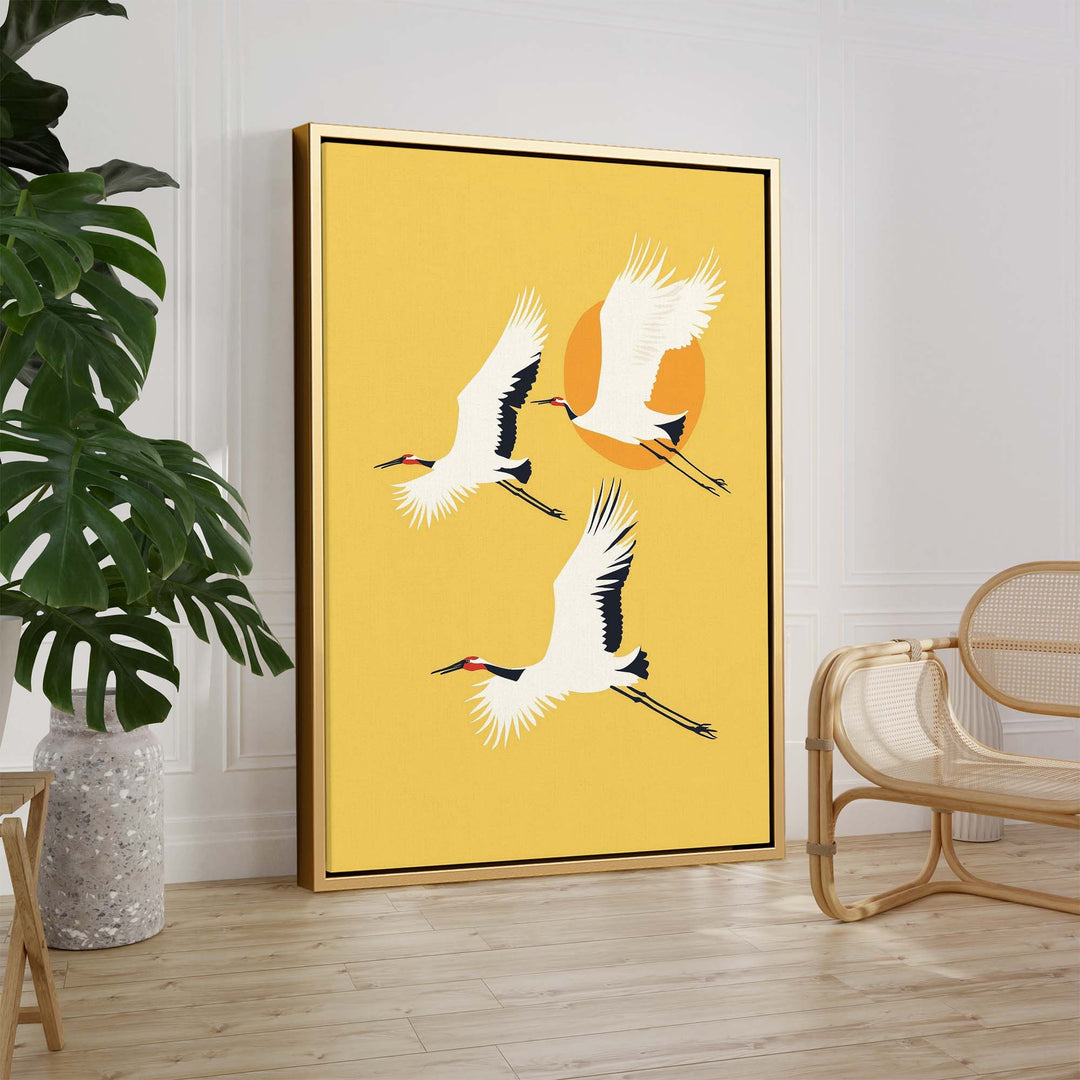
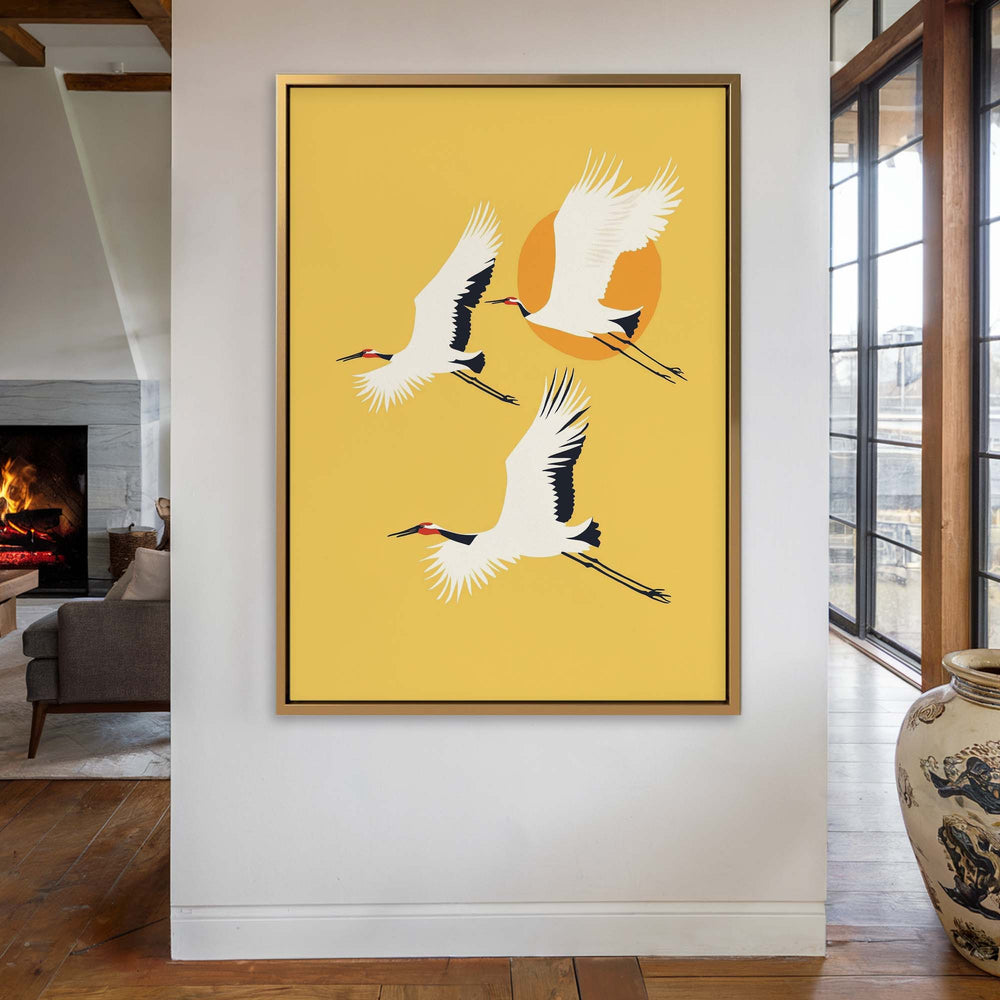
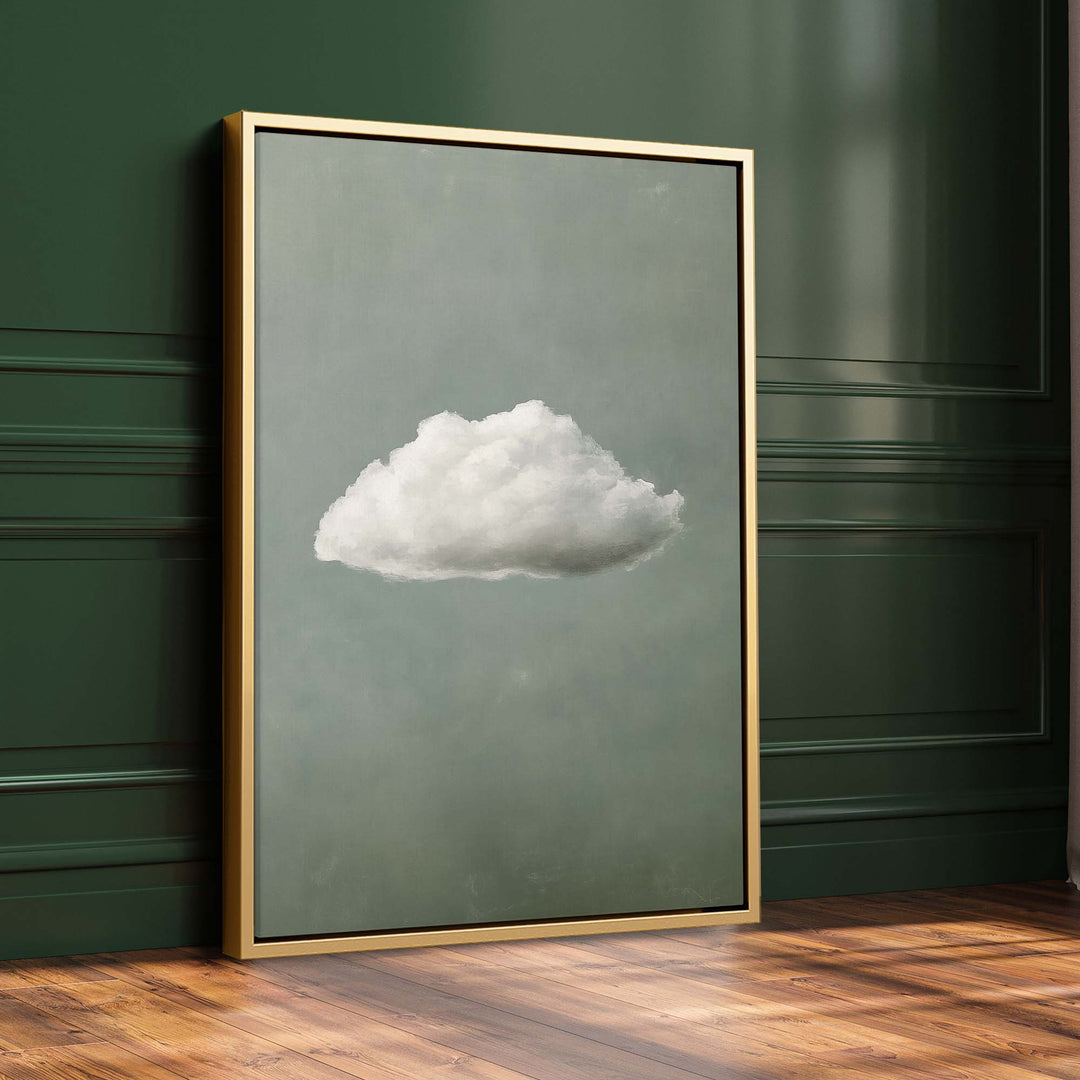
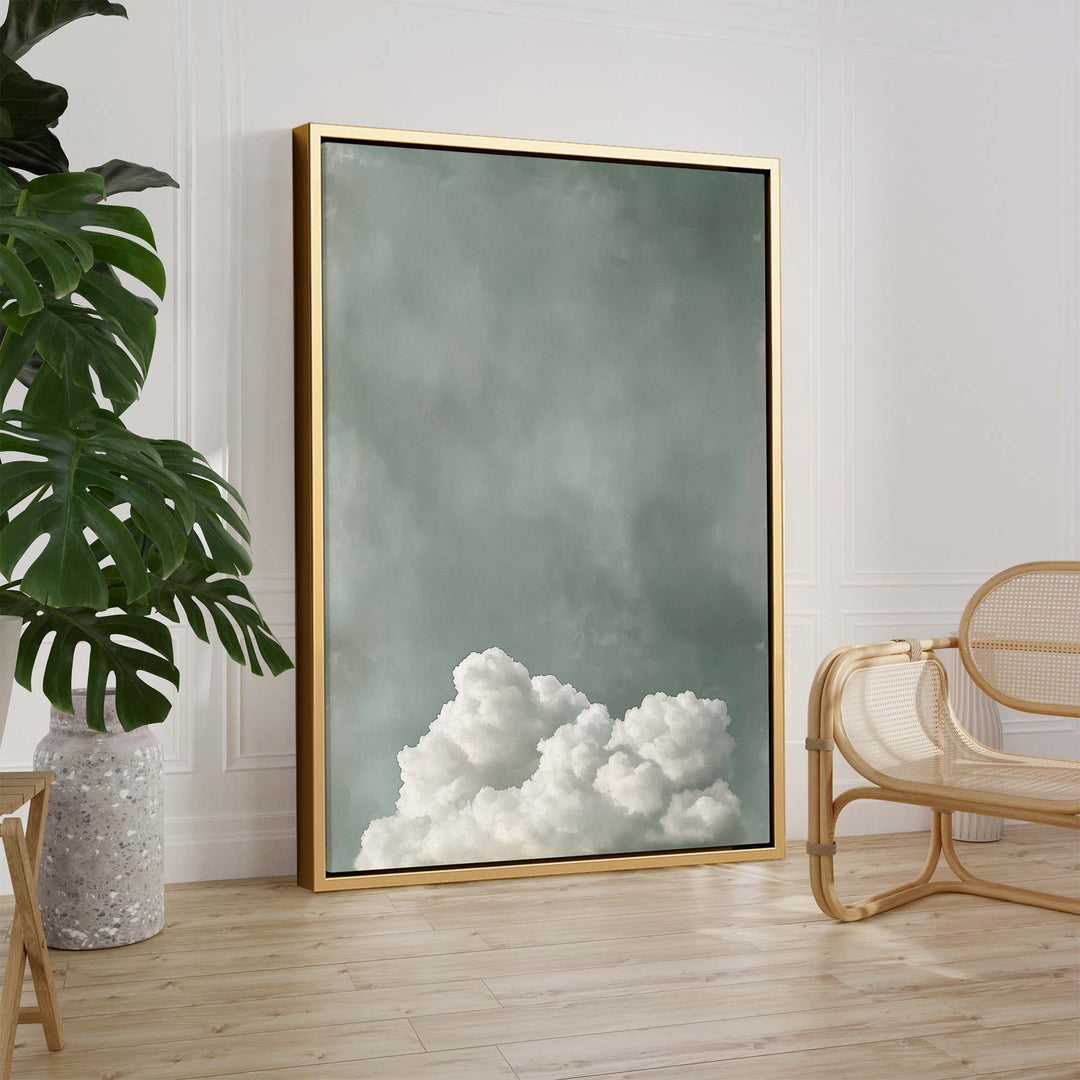
Japandi interiors favour simplicity without feeling stark, combining natural materials, soft texture and carefully chosen objects. Artwork with organic forms, irregular detail and restrained tones works particularly well alongside timber, linen, stone and warm neutral finishes. For an even softer palette, explore our Neutral Wall Art. Prefer similarly restrained compositions with a broader range of styles? Browse our Minimalist Wall Art.
Japandi wall art FAQs
Understanding Japandi style and choosing artwork that complements a calm, considered interior.
What is Japandi wall art?
Japandi wall art draws on Japanese and Scandinavian design principles, combining restraint, natural forms, subtle texture and a sense of balance. Rather than relying on decorative excess, the style tends to favour considered compositions, earthy tones and visual space.
What is the difference between Japandi and minimalist wall art?
Minimalist artwork is defined mainly by simplicity and restraint, while Japandi usually adds a stronger connection to natural materials, organic forms, texture and imperfection. A highly graphic composition can be minimalist without necessarily having the softer, more natural character associated with Japandi interiors.
Does Japandi wall art have to be beige or neutral?
No. Warm neutrals are common, but muted greens, earthy browns, charcoal and other restrained tones can work equally well. What matters more is the overall balance of the piece, with natural forms, subtle detail and enough visual space to keep the composition calm and considered.
Which frame works best with Japandi wall art?
Natural wood and simple black frames work particularly well with Japandi interiors because they complement timber, stone and other understated finishes. Gold can also work when used sparingly, especially with warmer earthy artwork. Gallery wrapped canvas offers the simplest frameless option.
FEATURED IN


